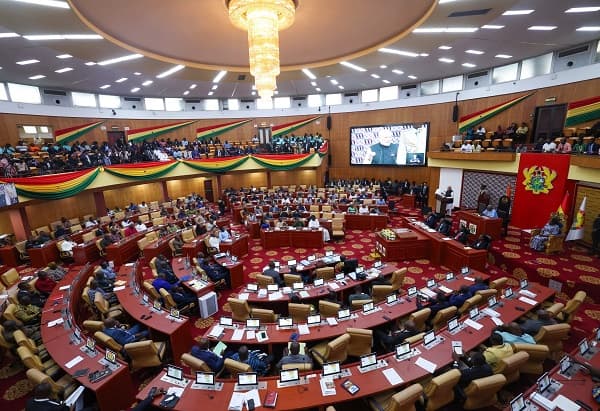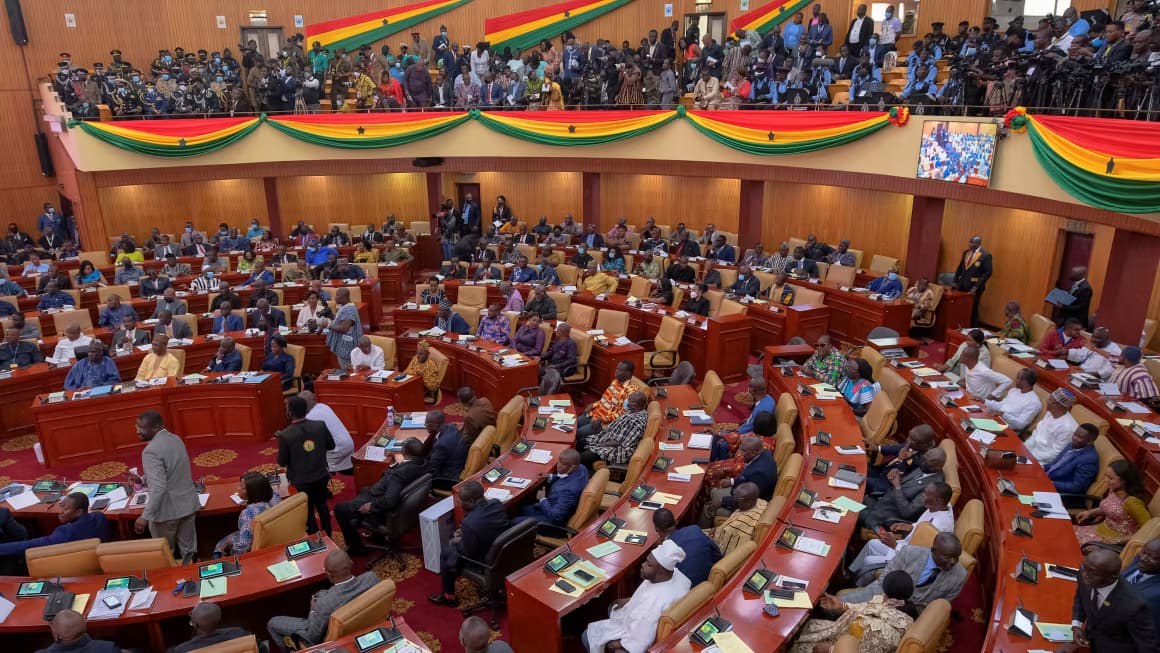
A proposal before Ghana’s Parliament to amend the Constitution to allow dual citizens to hold public office is generating growing debate among policymakers, legal experts, and civil society groups, with supporters calling it a step toward inclusion and critics warning of potential conflicts of interest.
Current constitutional provisions restrict certain public offices to individuals who hold only Ghanaian citizenship. The proposed amendment would remove those limitations, opening the door for members of the Ghanaian diaspora to serve in government roles.
“This proposal reflects the reality of a globalized Ghanaian population,” a governance analyst said.
Diaspora Dimension
Ghana’s diaspora contributes significantly to the national economy through remittances, investment, and professional expertise. Advocates say allowing dual citizens to hold office would enable the country to benefit more directly from those resources.
“Many skilled professionals abroad want to contribute at the highest levels of national development,” the analyst added.
Legal and Political Considerations
Constitutional amendments typically require extensive parliamentary deliberation and, in some cases, approval through a national referendum. Legal scholars say the process could take time as lawmakers evaluate implications for national security, governance ethics, and political competition.
Critics argue that holding allegiance to more than one country could raise questions about loyalty in sensitive positions, particularly in national security or foreign policy roles.
Broader Governance Debate
The proposal is also being viewed within a wider conversation about political participation, representation, and institutional reform in Ghana.
Analysts say the discussion reflects a balancing act between inclusivity and constitutional safeguards.
“This is ultimately a question about how Ghana defines citizenship and public service in a modern world,” a constitutional expert said.
Outlook
Public consultations and parliamentary debates are expected to continue as lawmakers assess the proposal’s legal, political, and economic implications. The final decision could reshape the country’s leadership eligibility framework for decades.
“Whatever Parliament decides will set a precedent for future governance reforms,” the expert concluded.