The Ghana Revenue Authority says GRA artificial intelligence tools used to detect customs undervaluation generated an additional GH¢1 billion in revenue in April 2026 alone, highlighting the growing role of technology in Ghana’s tax administration.
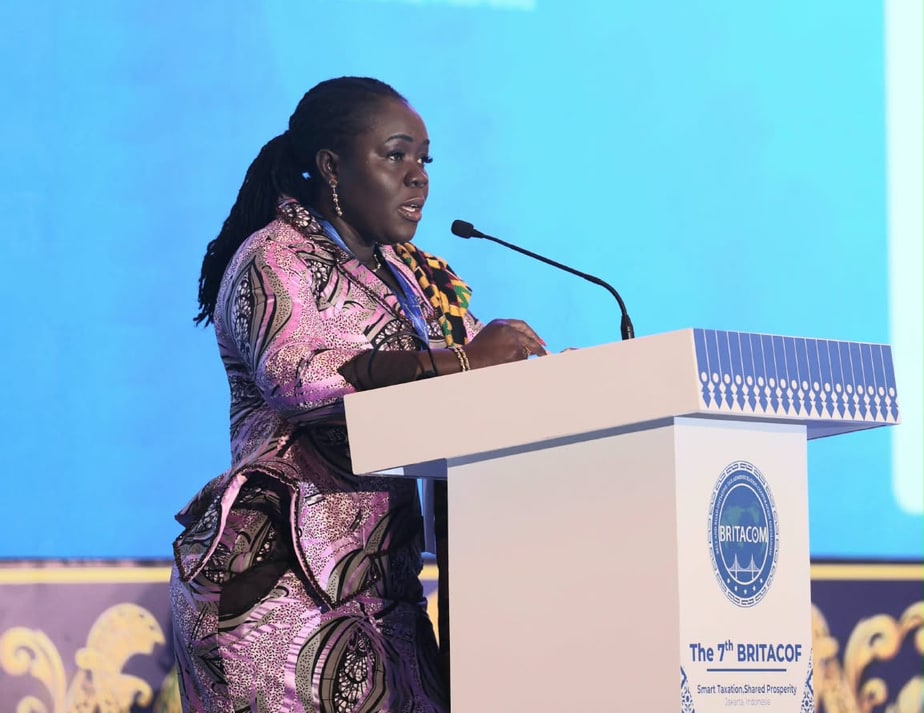
The Authority disclosed the figure at the seventh Belt and Road Initiative Tax Administration Cooperation Forum in Jakarta, Indonesia, where Ghana presented its experience with digital tax reforms.
Technical Adviser to the GRA Commissioner General, Elsie Appau Klu, who led Ghana’s delegation, said digitalisation should go beyond simply moving existing tax processes online.
Technology, she argued, must improve governance, strengthen compliance and build trust between revenue authorities and taxpayers.
She spoke during a panel under the theme, “From Tax Informatisation to Smart Taxation: The Ghanaian Experience and Shared Paths for Belt and Road Jurisdictions.”
Publican AI Targets Customs Revenue Leakages
Ms Appau Klu identified Publican AI as one of the tools now being deployed by the GRA to detect potential revenue losses.
According to her, the system’s identification of customs undervaluation contributed an additional GH¢1 billion in revenue in April alone.
Artificial intelligence is also being used to support fraud detection, customs valuation and the selection of cases for tax audits.
The GRA, however, is maintaining human oversight.
Final decisions remain with tax officers, while artificial intelligence is used to identify risks, patterns and transactions requiring further examination.
Ms Appau Klu said safeguards around “data security, privacy, legal authority, human oversight” and taxpayers’ rights to challenge decisions would remain essential as technology takes a bigger role in tax administration.
Ghana Card Expands Taxpayer Identification
The Authority also highlighted the effect of linking the Ghana Card Personal Identification Number to Tax Identification Numbers in 2021.
That integration has increased the number of identity linked taxpayers from roughly three million to more than 18 million, creating a common identification platform for tax administration.
Another major reform is the Integrated Customs Management System, introduced in 2020 to bring customs operations across Ghana’s ports and borders onto a single platform.
The Modified Taxation Scheme, launched in 2025, is focused on the informal sector.
Eligible businesses can register using their Ghana Cards, file returns through a mobile application or the *880# short code and make payments using mobile money.
The system is intended to make tax compliance less complicated for smaller operators who may not have access to conventional accounting systems.
GRA Eyes GH¢310bn Revenue by 2028
The digital reforms come as the Authority seeks significantly higher domestic revenue mobilisation.
GRA revenue reached GH¢182 billion in 2025, up from GH¢153 billion in 2024. The Authority is targeting GH¢310 billion by 2028.
Ms Appau Klu said achieving those numbers would require investment not only in software but also in people.
Auditors are being retrained to work increasingly as data analysts and risk managers, allowing them to use digital systems more effectively.
Electronic VAT invoicing and the Integrated Tax Administration System are also being deployed to improve transaction monitoring and compliance.
GRA Pushes Common Digital Tax Standards
At the Jakarta forum, Ghana called for closer international cooperation on digital taxation, including common standards for electronic invoicing, identity verification, secure data exchange and artificial intelligence governance.
Ms Appau Klu also proposed a dedicated digital capacity building programme and a shared repository documenting both successful reforms and approaches that failed.
Ghana, she said, could contribute lessons from its informal sector taxation reforms while learning from Brazil, Indonesia and China.
The direction is clear for the GRA: technology is moving from a support function to the centre of tax enforcement. The GH¢1 billion customs recovery offers an early measure of what that shift could mean for domestic revenue.
READ ALSO: Zonda CEO Urges Ghana to Shift from Trading to Engineering