Oil Prices Hit $100 Again: What It Actually Means for Your Fuel Costs in Ghana
Brent crude oil has crossed $100 a barrel again. Here is what the increase could mean for petrol, diesel, transport fares and consumers in Ghana.
Opinion pieces and editorials

Brent crude oil has crossed $100 a barrel again. Here is what the increase could mean for petrol, diesel, transport fares and consumers in Ghana.
The GFA’s GHS 1 million handout to clubs is a temporary bandage. If the Ghana Premier League is to survive, clubs must stop blaming leadership and take responsibility for their own business models.

Ghana's energy sector reforms announced in the 2026 Mid Year Fiscal Policy Review target upstream investment, cheaper gas powered electricity, new generation capacity and expanded grid access.

Oil prices climbed above $100 per barrel for the first time since May as escalating Middle East tensions disrupted shipping routes and tightened global crude supplies. Here's what it means for energy markets.

Oil prices hit four-week highs as the US imposes a 20% Hormuz toll, why this is a structural repricing of chokepoint risk, not a passing spike.

As the US-Iran ceasefire collapses and Iran shuts the waterway again, the Strait of Hormuz closure is structurally repricing oil risk, and product markets confirm it.

Brent crude trades near $72/bbl as OPEC+ adds 188,000 b/d for August, Saudi exports recover, and the Hormuz risk premium unwinds.

Energy reliability has become a crucial factor in the competitiveness of digital infrastructure, influencing where infrastructure is located.

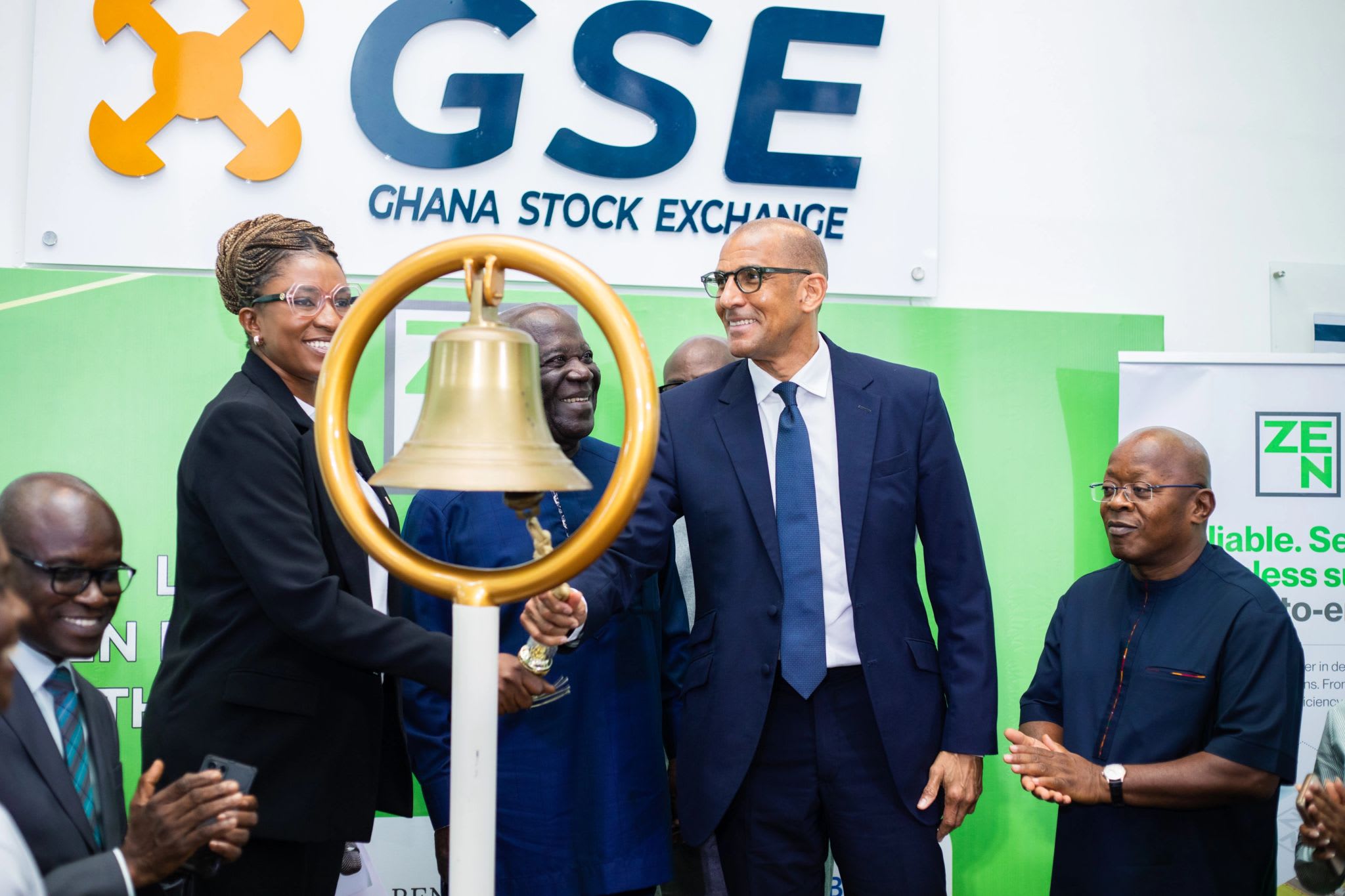
ZEN Petroleum Holdings PLC has officially listed on the Ghana Stock Exchange following a 94% oversubscribed IPO that raised close to GH¢1 billion. Founder William Tewiah calls it the defining step in building a trans-generational Ghanaian energy business.

Ghana produced crude oil from the Jubilee, TEN, and Sankofa fields yet exports every barrel while spending an estimated $4.95 billion importing refined petroleum in 2025. COMAC's industry report explains the technical, contractual, and economic reasons behind this paradox — and what it costs the country.

In Ghana's professional circles, your name is collateral — and Frederick Kumi, the socialite known as "Abu Trica," is learning what happens when it burns. Dr. Isaac Mensah Nyame examines how digital-age fraud is dismantling reputations, livelihoods, and futures long before any prison sentence begins.

SIGA's policy of encouraging Business-to-Business transactions among state-owned enterprises is not mere administrative preference — it is a strategic, legally grounded approach to maximising public asset value. Sampson Tagbor argues that this initiative deserves broad commendation and stakeholder support.