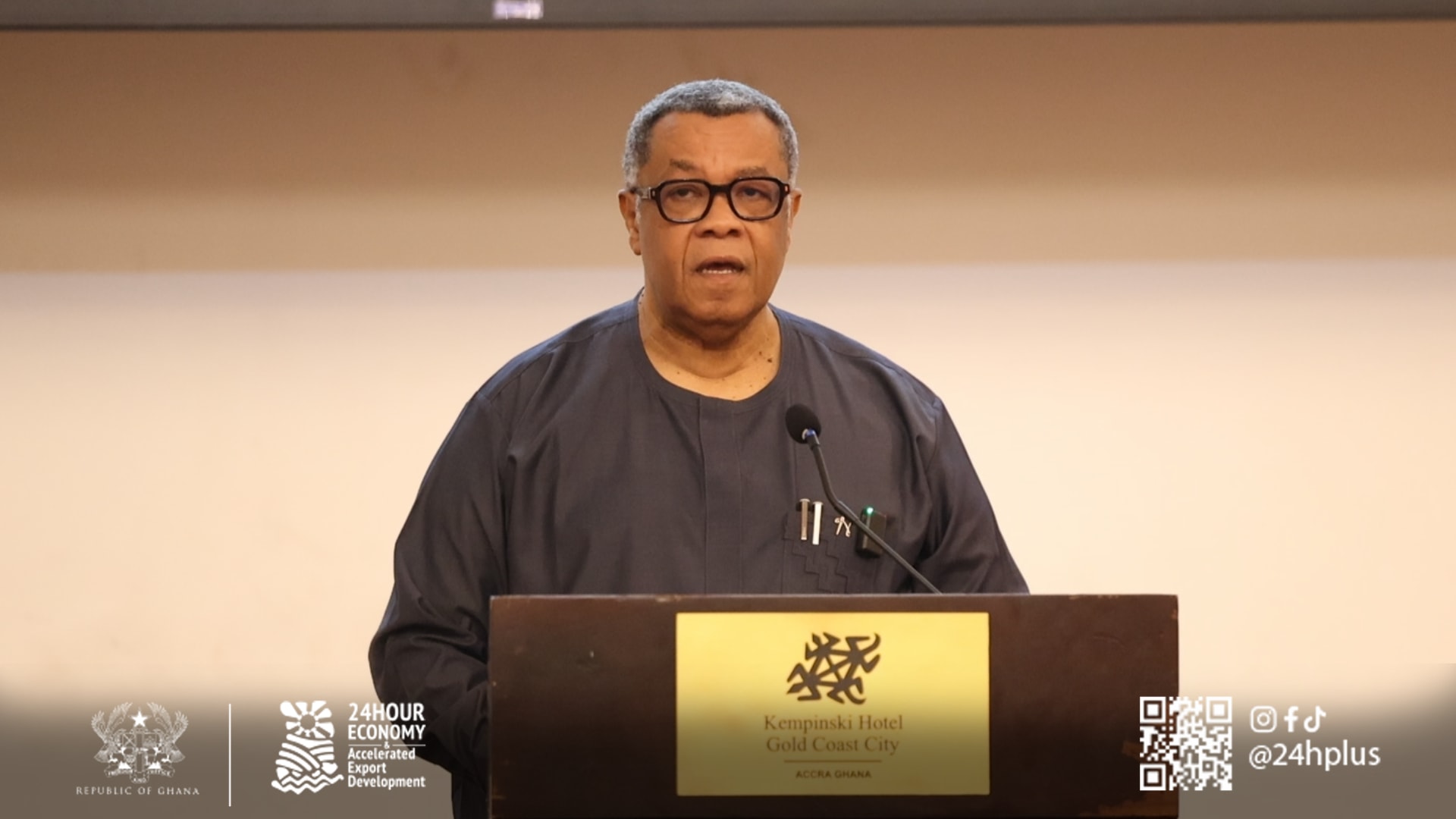
Ghana’s flagship 24-Hour Economy Programme is expected to generate 1.7 million productive jobs by 2028, with several large-scale investment projects already moving from planning to implementation, Presidential Adviser on the initiative, Augustus Goosie Tanoh, has disclosed.
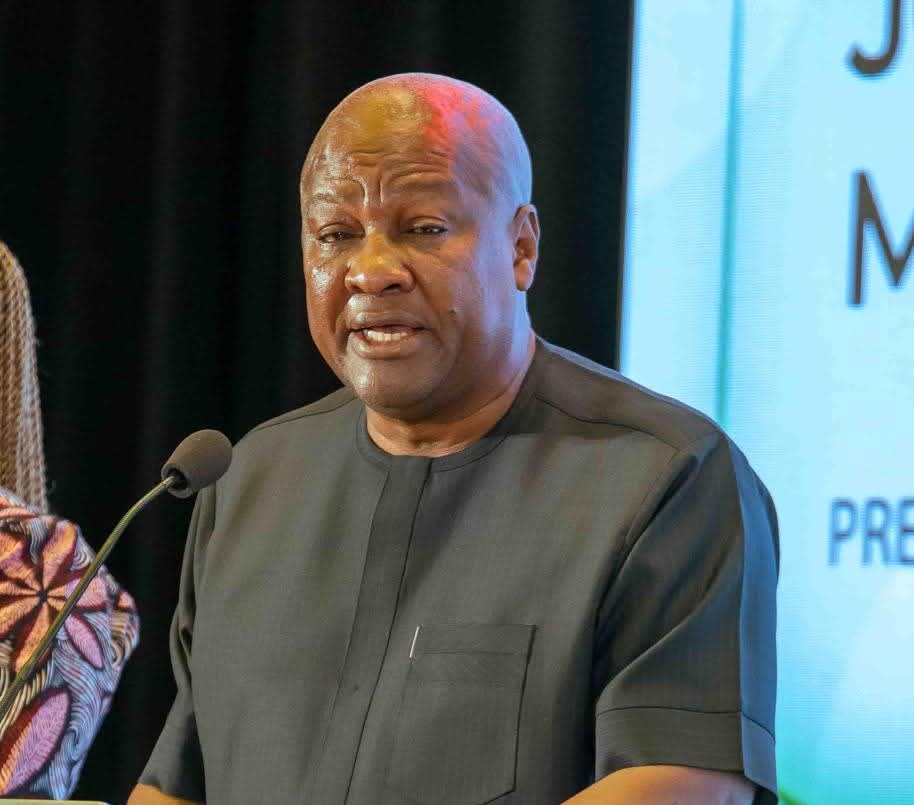
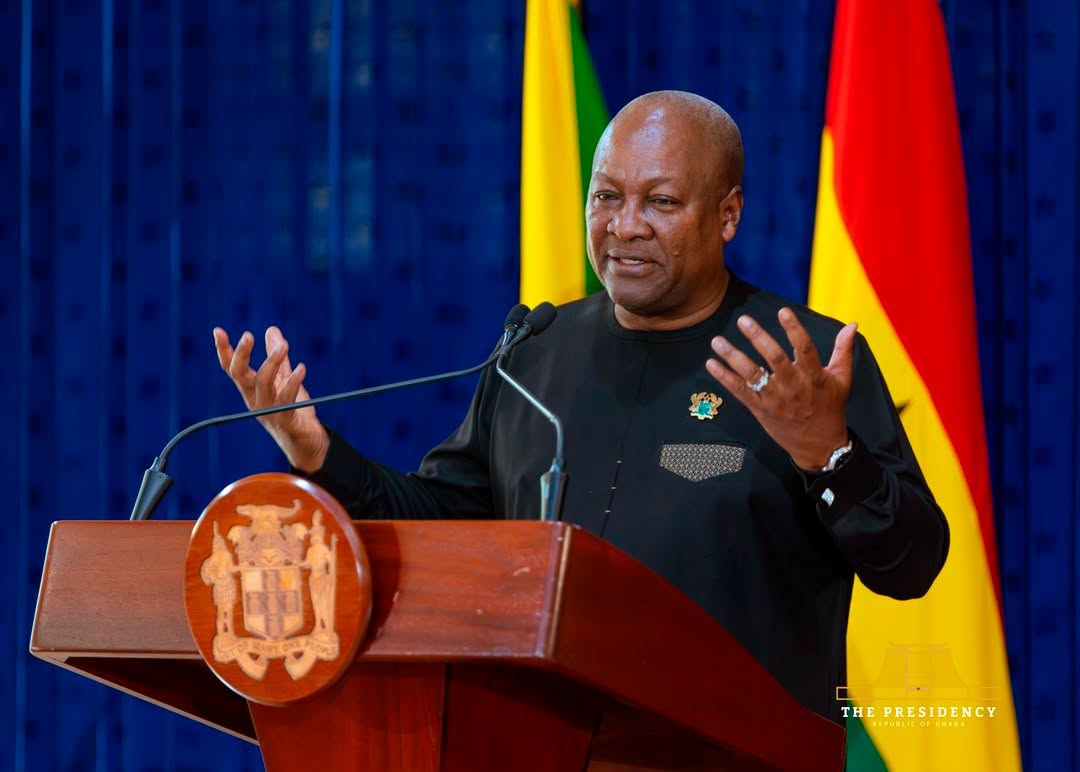
Speaking at the Ghana Diaspora Townhall Meeting with President John Dramani Mahama at the Ghana High Commission in London, Mr. Tanoh said the programme is rapidly evolving from a campaign pledge into a private sector-led development agenda backed by significant capital commitments.
According to him, four major agreements signed within the last 90 days alone are projected to create more than 160,000 direct jobs across key sectors of the economy.
Mr. Tanoh outlined several strategic projects that form part of the government’s industrial transformation agenda.
Among them is the US$1.45 billion Buipe Solar Farm in the Savannah Region, which is expected to create approximately 13,000 jobs while delivering what he described as the lowest industrial electricity tariff in Ghana’s history.
He also highlighted the US$300 million Kambonwule Oil Palm Anchor Project, which is projected to generate 120,000 jobs and significantly reduce the country’s dependence on imported vegetable oil.
Another major intervention is the Bioenergy and Biofuels Programme being developed in Buipe and Damanko. The project is expected to create 30,000 jobs while helping Ghana save an estimated US$450 million annually in foreign exchange expenditure.
In the logistics sector, Mr. Tanoh revealed that land has already been allocated for the Tamale Air Cargo Hub, with two operators expected to begin operations in 2027.
“These are signed agreements with private capital committed, in motion now,” he stressed.
Driving Industrial Growth and Exports
The Presidential Adviser explained that the 24-Hour Economy Programme represents the second pillar of the government’s broader economic recovery strategy, focusing on industrial production, agro-processing, exports, logistics, energy and value addition.
While acknowledging recent macroeconomic improvements, he noted that Ghana’s growth structure remains heavily skewed toward services.
According to Mr. Tanoh, inflation has declined significantly, reaching 3.4 percent after 15 consecutive months of decline. He added that the Bank of Ghana’s policy rate has been reduced from 28 percent to 14 percent, while international reserves have risen to approximately US$14.5 billion.
Public debt has also declined substantially from a peak of 92.4 percent of GDP to about 48 percent, while the economy expanded by six percent in 2025.
Despite these gains, he expressed concern that services continue to account for nearly 60 percent of economic growth, while industry contributes only about 12 percent and recorded growth of just 2.3 percent.
“That gap is what our second pillar exists to close,” Mr. Tanoh said.
Diaspora Capital Key to Success
A major component of the strategy involves attracting greater participation from Ghana’s diaspora community.
Mr. Tanoh disclosed that remittance inflows reached a record US$7.8 billion in 2025, compared to about US$4 billion six years ago. The United Kingdom remains Ghana’s second-largest source of remittances after the United States.
He said the government is exploring ways to channel a portion of those funds into productive sectors such as agro-processing, renewable energy, industrial parks, export logistics and small business financing.
While optimism surrounding the programme continues to grow, analysts note that its success will ultimately depend on implementation.
Ghana has announced several industrialisation initiatives over the years, but many have struggled due to financing constraints, infrastructure challenges, policy inconsistencies and coordination difficulties.
For the 24-Hour Economy Programme, the key test will be whether signed agreements translate into functioning factories, farms, logistics hubs and sustainable employment opportunities.
Addressing the diaspora audience, Mr. Tanoh expressed confidence in the country’s readiness for investment and partnership. “Your country is ready for you,” he said.
As Ghana pushes ahead with its ambitious industrial agenda, attention will increasingly focus on whether the projected 1.7 million jobs can be transformed from policy targets into tangible economic opportunities for households across the country by 2028.
READ ALSO: