Global Renewable Energy Capacity Rose to 5,149 GW in 2025 - IRENA
IRENA says global renewable energy capacity surged 15.5% in 2025

IRENA says global renewable energy capacity surged 15.5% in 2025

Historic Earnings Signal New Phase of Growth

Ghana’s inflation rate eased to 3.2% in March 2026, the lowest since 2021, despite global fuel price pressures and rising service costs.

OmniBSIC Bank Ghana has posted a 104% rise in profit before tax for 2025, with strong growth in assets, deposits, liquidity and capital adequacy.

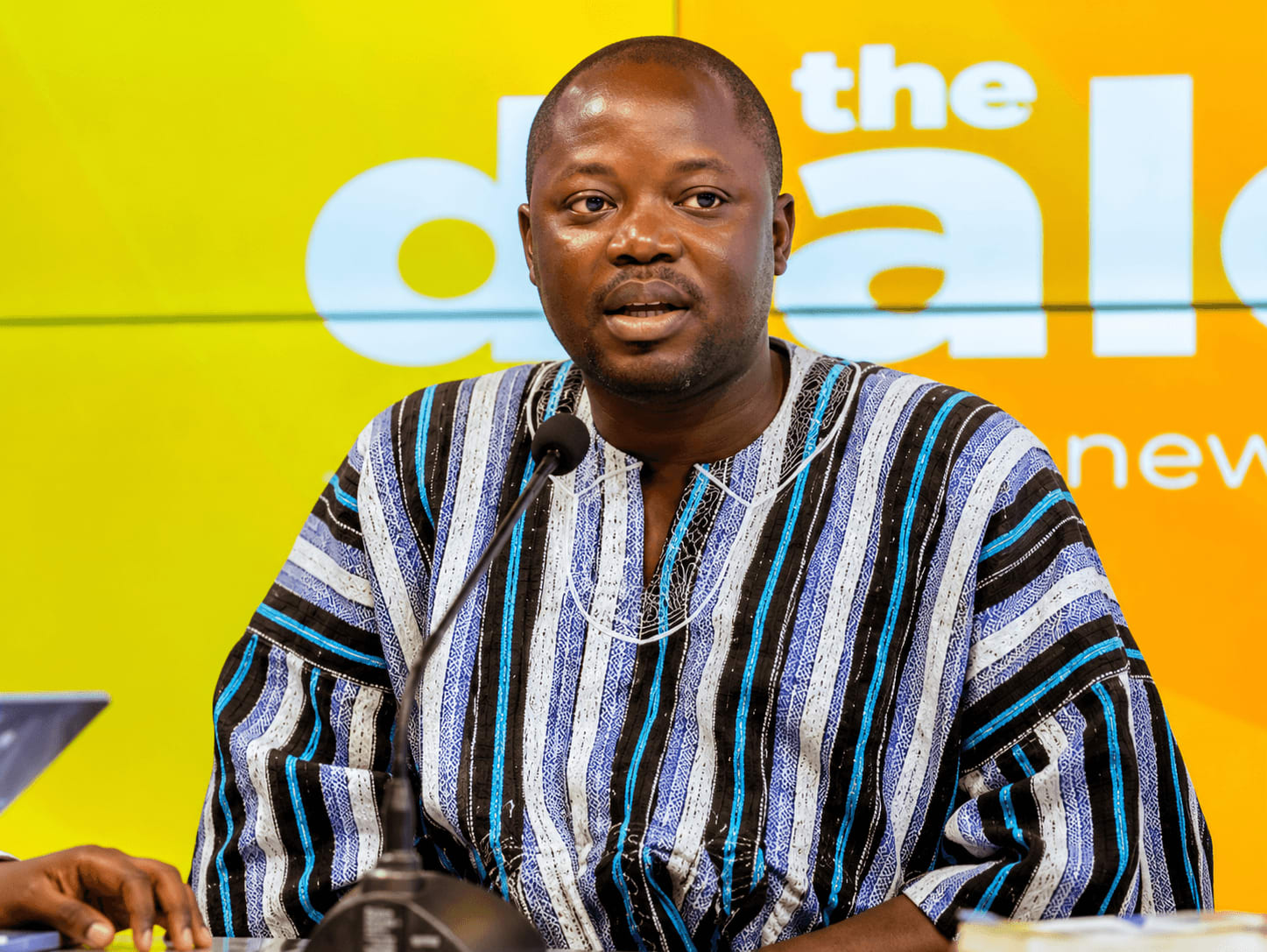
ACEP Executive Director Ben Boakye is urging government to incentivise in-country fuel storage and strategic reserves as Ghana faces rising pump prices and global supply risks.

A USDA annual report says Ghana’s food processing ingredients imports reached $1.27 billion in 2025 as demand for convenience foods and local production gaps continue to shape the market.

First National Bank Ghana reported GH¢106.8 million profit after tax in 2025, supported by stronger income, deposit growth, improved capital, and lower bad loans.

Government has set an initial pricing guidance of 12%–12.5% for its new 7-year cedi bond as Ghana returns to the domestic bond market for the first time since 2022.

Government has renewed its call for large-scale investment in women-led businesses, with plans to launch a Women’s Development Bank to support female entrepreneurs across Ghana.

Finance Minister Cassiel Ato Forson says Ghana has signed its 11th bilateral debt restructuring agreement with EXIM India as government pushes debt sustainability reforms.

S&P Global Ratings has affirmed Ghana’s sovereign credit rating at B-/B with a stable outlook, citing fiscal reforms, stronger reserves, and improving external balances.

Government has allocated $6 million to support Ghana’s tree crop sector, with new measures targeting oil palm expansion, farmer registration and anti-galamsey enforcement.

GCB Bank ended 2025 with stronger capital, lower bad loans and a 215.7% rise in share price, as its new medium-term strategy begins to reshape the business.

GCB Bank has posted a record GHS3.17 billion profit before tax for 2025, driven by strong deposit growth, loan expansion, rising fee income and disciplined execution.

Ghana will issue its first local-currency bond since the 2022 debt default as government seeks to rebuild market confidence and finance the 2026 budget.

Food and Agriculture Minister Eric Opoku outlines Ghana’s tomato sovereignty plan, including improved seeds, irrigation and backyard gardening after Burkina Faso’s export ban.

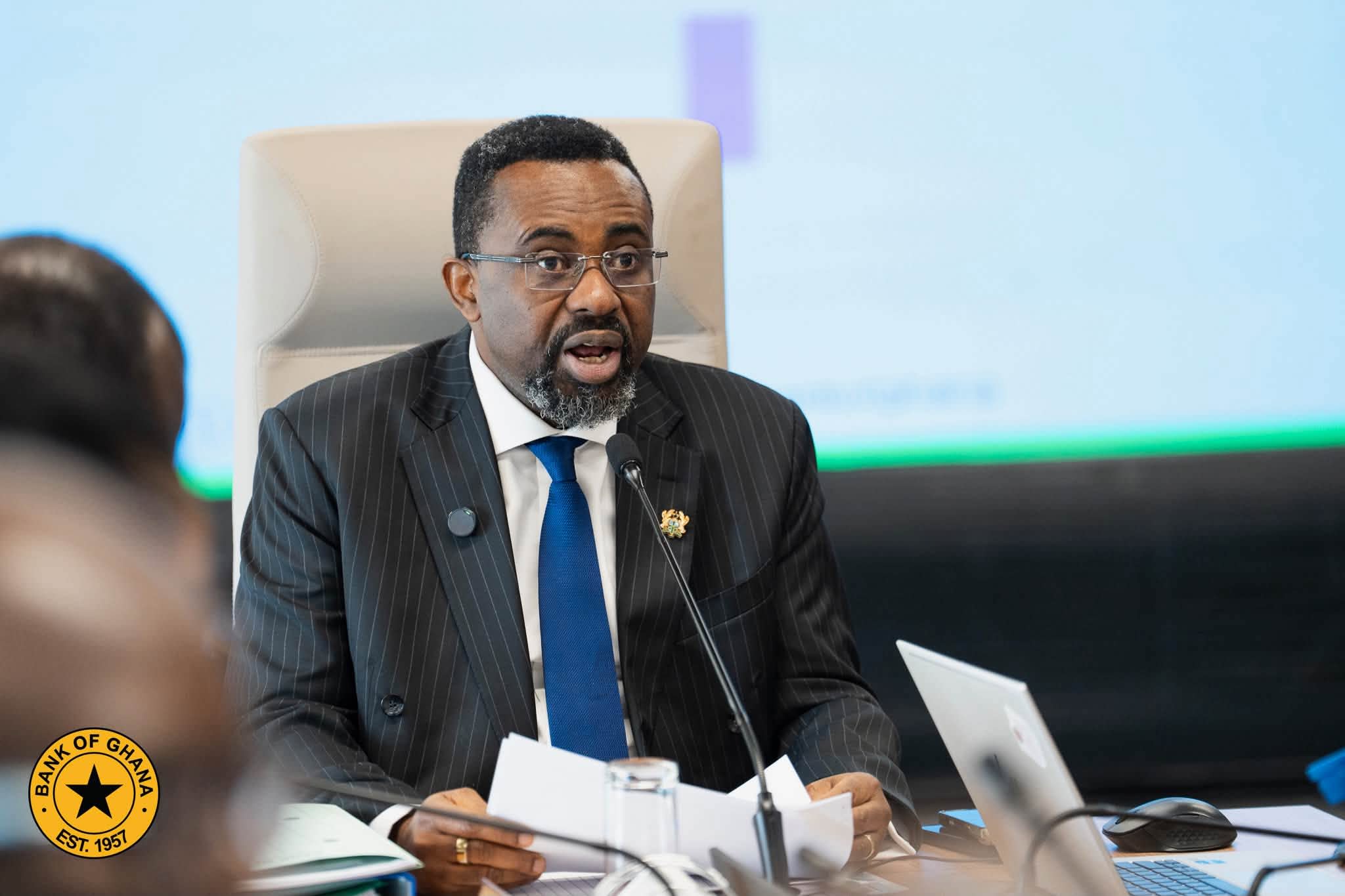
Bank of Ghana Governor Johnson Asiama and GEXIM officials call for closer alignment between monetary policy and trade finance to strengthen export competitiveness.

Vice President Jane Naana Opoku-Agyemang urges GEXIM to move beyond lending and lead Ghana’s value addition and export competitiveness agenda.

Ghana launches the Bank of Ghana Cyber and Information Security Directive 2026 to boost cyber resilience, protect financial data and strengthen trust in the digital economy.

Parliament passes the Value for Money Office Bill 2026 to improve efficiency, transparency and accountability in Ghana’s public spending and procurement.

Fitch Ratings affirms Ghana’s credit rating at B-, citing governance indicators, recovery assumptions, and fiscal outlook risks and opportunities.

Ghana and the UK review the Trade Partnership Agreement at five years, focusing on diversification, dispute resolution, and services trade growth.

COPEC calls for a review of fuel taxes as rising global prices push petrol and diesel costs higher, increasing pressure on consumers.

Ghana Gold Board CEO Sammy Gyamfi backs Bank of Ghana’s gold reserve diversification strategy, citing falling gold prices and the need for stability.

Newmont Ghana pays GH¢12.8 billion in taxes and statutory payments in 2025, reinforcing its role as a top contributor to national revenue.

Bank of Ghana reduces policy rate to 14% to support economic growth and ease borrowing costs amid global uncertainties.

President Mahama reveals Ghana’s energy sector crisis has cost over $8bn, straining public finances and limiting spending on wages and development.

Finance Minister Ato Forson warns Ghana’s wage bill is unsustainable, revealing government borrowed GH¢17 billion to pay salaries.

Ghana records 6.0% GDP growth in 2025, driven by strong performance in services and non-oil sectors, according to official data.

Bank of Ghana Governor Johnson Asiama says Ghana’s international reserves have increased to $14.5 billion, strengthening the country’s ability to withstand external shocks.

Finance Minister Cassiel Ato Forson meets World Bank’s Paschal Donohoe to discuss Ghana’s economic transformation and strategies for job creation.

Bank of Ghana Governor Johnson Asiama warns that Middle East tensions and rising oil prices could threaten Ghana’s disinflation progress.

Dalex Finance CEO Joe Jackson warns that disruptions in the Strait of Hormuz could increase fuel costs and drive food inflation in Ghana.

Ghana’s Parliament reduces the Growth and Sustainability Levy on gold mining companies from 3% to 1% as part of reforms to support the mining sector.

Petrol, diesel and LPG prices in Ghana are projected to rise sharply from March 16, 2026, following global crude oil price increases and new price floors.

Tema Oil Refinery’s return to full operations could improve fuel supply stability in Ghana and help ease pressure on pump prices, according to Technical Advisor Nana Amoasi VII.

Argus Media Vice-President James Gooder says Ghana’s growing oil exports are boosting infrastructure investment, LPG production, and transparency in West Africa’s energy markets.

SEC Ghana admits 11 companies into its virtual asset regulatory sandbox to test fintech and crypto-related services under the Virtual Asset Service Providers Act, 2025.

Industry highlights gaps in refining and logistics

Government calls for urgent reforms to ensure faster movement of goods in Ghana, reduce trade bottlenecks and improve efficiency at ports and borders.

Ghana Agrotech Fair 2026 opens in Accra from March 17–19 to showcase local agricultural technology, promote agro-processing, and accelerate innovation in Ghana’s agribusiness sector.

The Ghana Chamber of Mines proposes an alternative gold royalty framework capped at 8% with a 1% community development levy to balance government revenue and mining sector sustainability.

COMAC urges stronger technological coordination across Ghana’s petroleum management systems after a petroleum supply disruption linked to ERDMS rather than ICUMS.

Policy analyst Steve Manteaw raises concerns over consultation gaps in Ghana’s new mining royalty policy as the sliding-scale regime takes effect.

Bank of Ghana Governor Johnson Asiama says the gold sale was a strategic reserve diversification move and not a loss of Ghana’s national assets.

Finance Minister announces a ban on land transit of selected goods through Ghana’s borders to curb revenue leakages and strengthen customs control.

Ghana hosts a Kimberley Process Ghana review visit aimed at strengthening transparency, accountability and responsible governance in the country’s diamond trade.

Government plans to establish over 250 Farm Service Centres across Ghana within four years to improve farmers’ access to mechanisation, inputs and agricultural support services.

Ghana faces a potential fertilizer supply crisis as Middle East tensions disrupt global shipping through the Strait of Hormuz, raising concerns about food security and rising fertilizer costs.

COPEC is urging the government to establish a strategic fuel reserve Ghana fund to build emergency petroleum stocks and protect the economy from global supply disruptions.

President John Mahama signs the 24-Hour Economy Authority Bill into law, launching full implementation of Ghana’s flagship economic policy aimed at boosting productivity and creating jobs.

Ghana bans land transit of rice, tomato paste and mackerel to curb diversion schemes, protect domestic manufacturers and strengthen customs enforcement.

President John Dramani Mahama assures the private sector of a stable and transparent policy environment to support business growth and investment in Ghana.

The Office of the Registrar of Companies warns businesses to meet the April 30 Annual Returns deadline or face penalties, daily fines and possible delisting.

The Bank of Ghana 14-day bill auction mops up GH¢13.9 billion as part of liquidity tightening measures to sustain disinflation, with yields settling at 11.90%.

Ghana’s Finance Ministry has lifted DDEP bond issuance restrictions, allowing new longer-term domestic bonds as investor confidence and macroeconomic conditions improve.

Ghana has fallen to 53rd in the 2025 Global Mining Investment Attractiveness Index as policy concerns and global competition reshape investor sentiment.

The National Petroleum Authority assures Ghanaians that fuel stocks will last several weeks despite global oil market uncertainty caused by Middle East tensions.

Global oil prices have surged following the Strait of Hormuz blockade, raising concerns about possible fuel price increases in Ghana.

President Mahama says the Feed Ghana Programme is reducing food inflation, boosting production, and strengthening food security under Ghana’s Agriculture for Economic Transformation Agenda.

A witness in court has admitted that fuel sold at the Atimpoku Shell filling station was contaminated with water, confirming allegations that unsuspecting motorists purchased adulterated petroleum products.

COCOBOD denies claims it diverted GH¢12 million meant for cocoa farmers to sponsor the Black Stars, assuring stakeholders that farmer welfare remains its top priority.

Government officials say the 24-Hour Economy initiative aims to create 200,000 jobs this year as industrial projects roll out.

The troubled Bogoso-Prestea mine has resumed production after two years, but community petitions and funding concerns remain unresolved.

Deputy Finance Minister Thomas Nyarko Ampem says government could consider reducing some taxes and import duties if it succeeds in plugging revenue leakages, as a recent customs enforcement operation raises fresh concerns over compliance and fairness in the tax system.

Ghana’s public debt declined sharply between 2024 and 2025, signaling a significant shift in fiscal stability as inflation and deficit levels also improved.

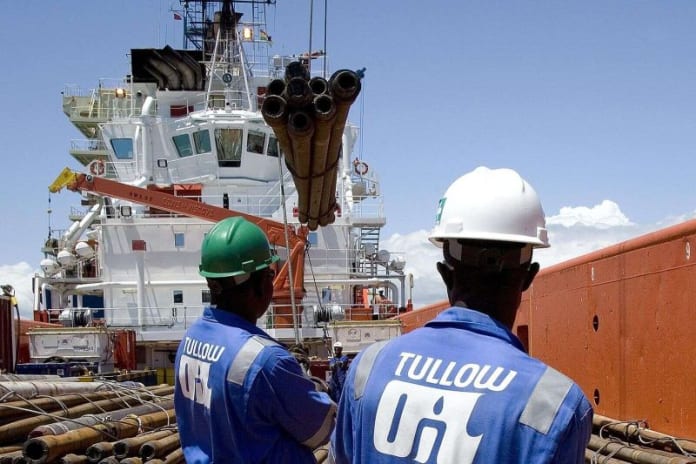
Ghana’s Parliament has approved licence extensions for major offshore oil fields, unlocking billions in investment and securing long-term production.

President John Mahama has signed the 24-Hour Economy Authority Bill into law, launching implementation of a flagship policy aimed at boosting jobs, productivity, and investment.

Gold Fields will hand over Ghana’s Damang Mine to the state in April, a move analysts say could reshape investor confidence and mining policy direction.

Government settles latest interest payment under its domestic debt exchange programme as authorities seek to stabilize markets and restore investor trust.

Ghana’s Government Statistician says producer prices rose 3.3% month-on-month in January 2026, a sign that short-term cost pressures are strengthening even as year-on-year producer inflation remains moderate, urging consumers, firms and policymakers to avoid overreacting.