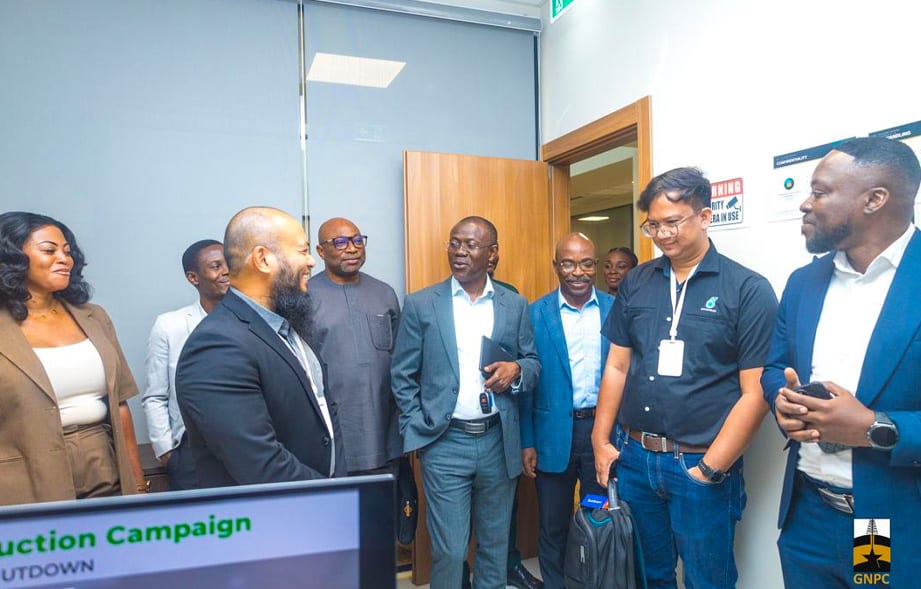
The Chief Executive Officer of the Minerals Commission, Isaac Tandoh, has issued a strong warning on the dangers of unsafe mining, describing its consequences as a price no nation can afford.
Speaking as Guest of Honour at the Mining Health and Safety Series 2026, Mr. Tandoh stressed that Ghana must prioritise human life above all else in its mining activities.
“Our position is unambiguous such that Ghana must mine with its eyes fully open to the irreplaceable value of human life.” - Chief Executive Officer of the Minerals Commission
Mr. Tandoh noted that in today’s global mining environment, safety is no longer optional but a critical determinant of investment and sustainability.
He warned that “a single catastrophic incident can erase decades of shareholder value, withdraw insurance coverage, and permanently damage a nation’s mining reputation,” underscoring the broader economic risks tied to negligence.
According to him, maintaining a “clean, verifiable safety record” has become the most decisive licence to operate in the modern mining economy.
Strengthening Regulation and Technology
The Commission reaffirmed its commitment to enforcing strict health, safety, and environmental standards across the sector. Mr. Tandoh highlighted efforts to promote shared data systems that allow mining companies to learn collectively from safety incidents and near misses.
He also pointed to the adoption of advanced technologies such as proximity detection systems, real-time gas sensors, and wearable health monitoring tools as key to improving workplace safety.
“These are not merely compliance tools, but instruments of a deeper cultural transformation in how our industry values human life,” he said.
On environmental stewardship, the Commission made it clear that irresponsible practices would not be tolerated. Mr. Tandoh criticised the persistence of abandoned pits and poorly managed tailings, describing them as avoidable outcomes of negligence.
“Responsible mining demands closure planning from day one,” he stated, emphasizing the need for rehabilitated land, clean water, and sustainable communities after mining operations cease.
He further stressed that mining companies bear full responsibility for all actors operating within their concessions, with regulators prepared to apply the law without exception.
People at the Centre of Mining
The CEO underscored that sustainable mining begins and ends with people, including workers and host communities. He called for stronger protections against occupational hazards such as silica dust, heat stress, and noise-related health risks.
“An empowered worker is a trained, certified, and well-protected professional confident to speak up without fear,” he noted.
He added that communities must be treated as key stakeholders rather than passive observers, warning that neglect could undermine mining operations.
Mr. Tandoh concluded by reaffirming the Commission’s uncompromising stance on safety, declaring that “zero harm is not an aspiration; it is our baseline.”
He emphasized that Ghana’s miners place their trust in regulatory systems every day, adding that the Commission remains committed to upholding that responsibility and ensuring the long-term sustainability of the industry.
READ ALSO: Mahama Reaffirms Business-Friendly Environment to Drive Private Sector Growth