The introduction of the Publican AI system at Ghana’s ports has stirred significant debate, with government defending the initiative as essential for improving revenue collection and transparency despite growing resistance from traders.
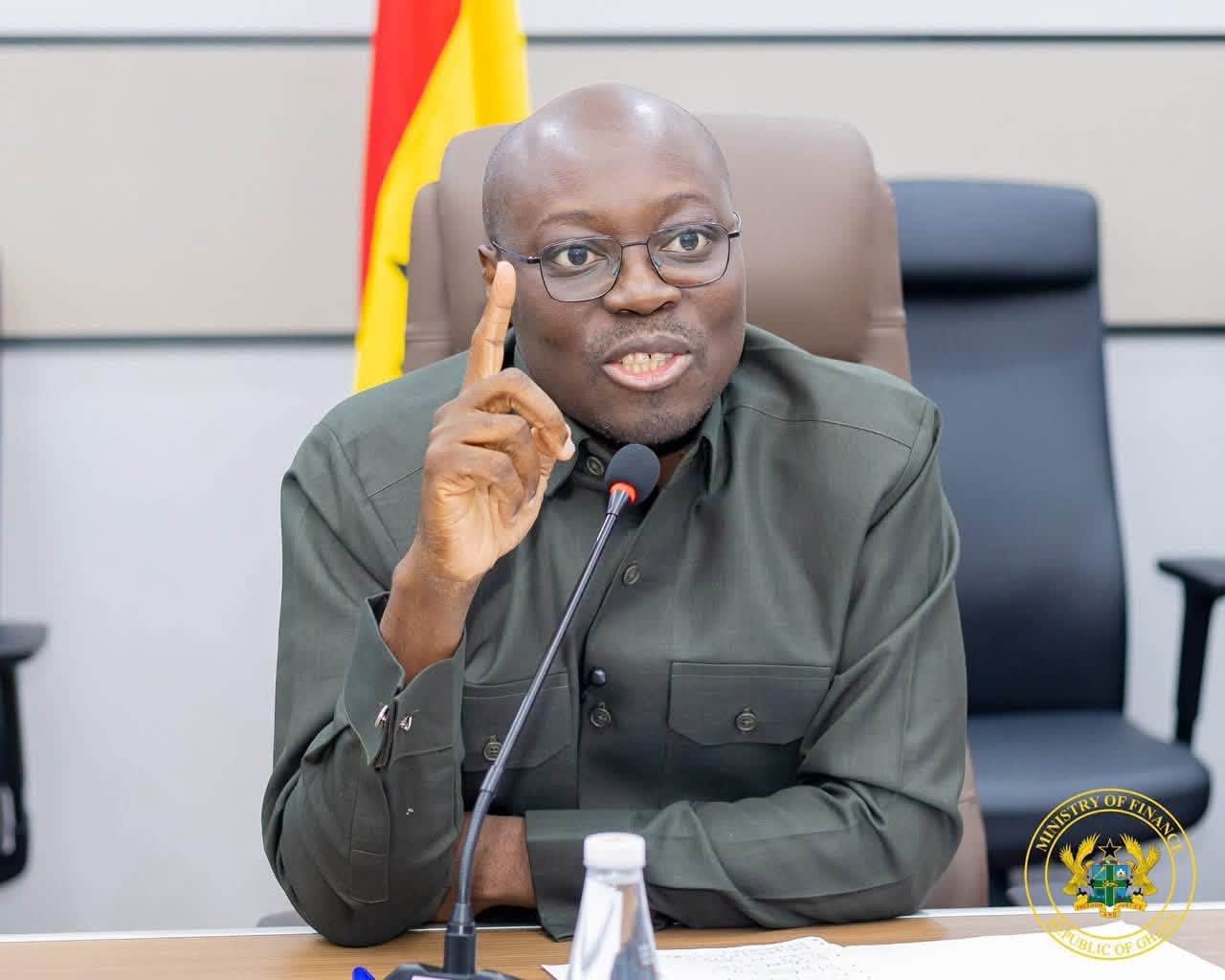
Deputy Finance Minister Thomas Nyarko Ampem said the AI-powered platform is a key component of broader reforms aimed at strengthening public financial management and addressing inefficiencies in customs operations.
Traders Raise Concerns Over Impact
In recent weeks, several import and export groups have called for the immediate suspension of the system, citing concerns over potential increases in operational costs and disruptions to port processes.
Critics argue that the system could complicate trade procedures and undermine the ease of doing business, particularly for small and medium-sized enterprises that rely on efficient port clearance systems.
Speaking at the 2026 Annual Conference of the Controller and Accountant-General’s Department, Mr. Ampem emphasized that the decision to deploy the system is rooted in the need to modernise revenue mobilisation.
He pointed to long-standing structural weaknesses that have led to financial leakages, insisting that reforms are necessary to improve fiscal discipline.
“The Ministry has, since March 2026, set up the PFM Systems Division,” he said, explaining that the unit is tasked with ensuring reforms are delivered “on time, within scope, and on budget.”
Tackling Revenue Leakages with Technology
According to the Deputy Minister, the Publican AI system is designed to enhance customs administration by detecting undervaluation and closing loopholes that have historically cost the state significant revenue.
“This high priority for systemic changes in PFM is what informed our decision to introduce an AI-powered system to strengthen Customs administration, detect undervaluation, and close long-standing revenue leakages at our ports.” - Deputy Finance Minister
While the government remains firm on implementation, the ongoing pushback from industry players highlights the challenge of balancing reform with stakeholder expectations.
Authorities say they remain open to engagement but insist that technological upgrades are necessary to build a more transparent and efficient system that supports national development goals.
READ ALSO: Mahama Inspects Kasoa–Winneba Dualisation, Targets December 2026 Completion