Ghana’s recent economic rebound has drawn cautious optimism from the European Union, with its ambassador warning that the Ghana economic recovery may not be sustainable without deeper structural reforms.
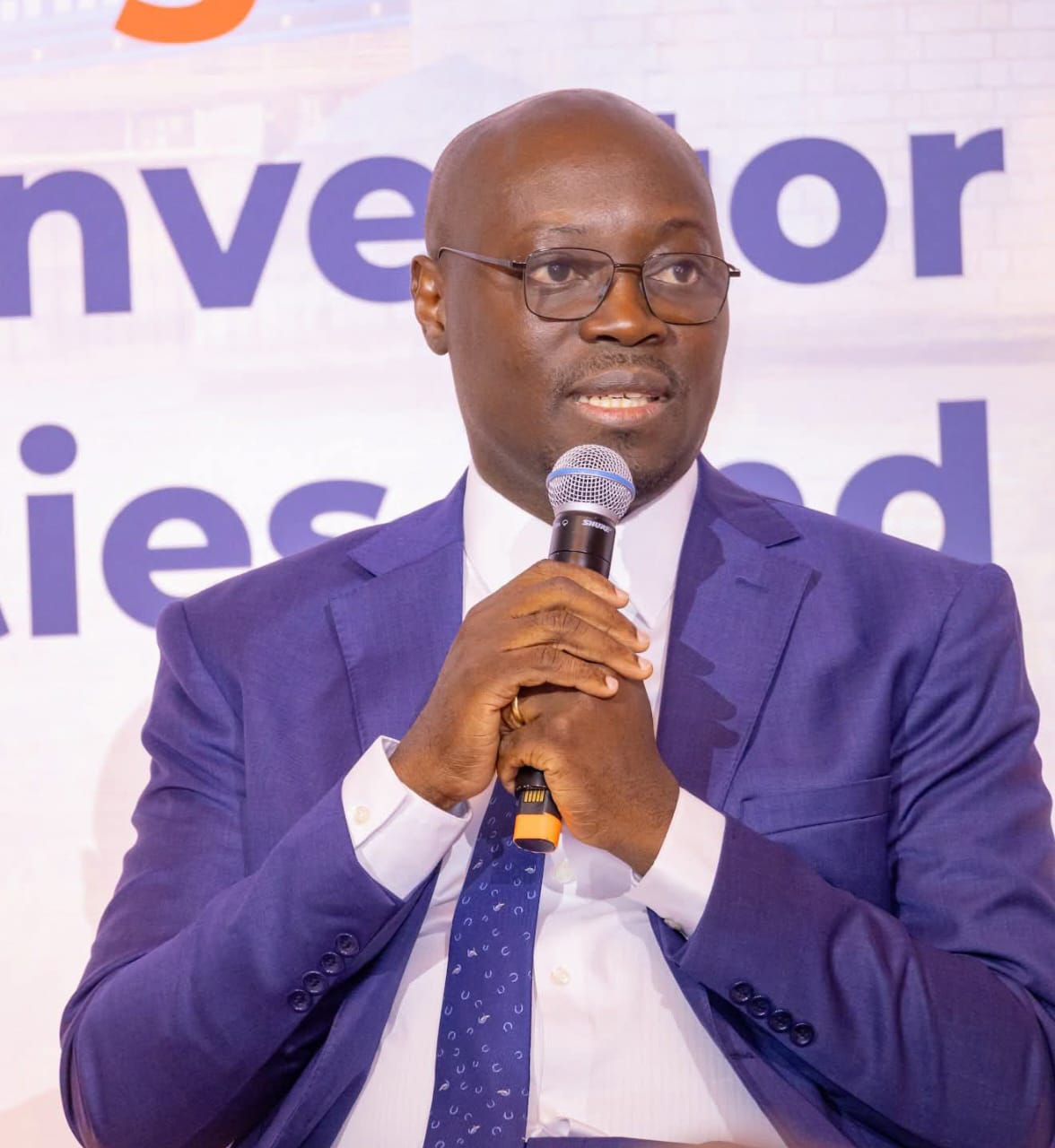
Speaking at a media engagement in Accra to launch Europe Month, Rune Skinnebach acknowledged that key economic indicators are improving but stressed that the gains remain fragile.
“The economy is doing great, but it is based on a very fragile pillar,” he said, pointing to Ghana’s dependence on favourable global conditions, particularly strong gold prices.
The Ambassador noted that Ghana’s progress reflects both domestic reforms and supportive external dynamics. While fiscal consolidation and policy adjustments have yielded results, he cautioned that external factors cannot be relied upon indefinitely.
“The success is based on reform, but also on external factors, and we cannot count on that every few years,” he said, urging policymakers to consolidate gains through long-term structural changes.
Call for Stronger Revenue Systems
A key concern highlighted was Ghana’s domestic revenue mobilisation. Skinnebach described the country’s tax collection system as inefficient and inconsistent, calling for reforms to improve predictability and compliance.
“There should be a much better collection of taxes in a predictable and unified manner,” he said. He also flagged emerging pressures in traditional sectors such as cocoa and petroleum, warning that these developments reinforce the need to diversify the economy and reduce reliance on commodity exports.
The EU envoy emphasised that global uncertainties, including commodity price volatility and geopolitical tensions, continue to pose risks to developing economies like Ghana.
He stressed that sustaining the current recovery trajectory would require disciplined policy implementation, consistency, and stronger economic buffers to withstand external shocks.
EU Partnership and Long-Term Outlook
Skinnebach highlighted the EU’s continued support for Ghana through investments in infrastructure, job creation, and skills development, noting that the partnership is evolving into a more strategic engagement.
“We need to ensure that investments translate into real benefits for the people,” he said, underscoring the importance of accountability and effective project execution.
The Europe Month engagement served as a platform to reinforce cooperation between Ghana and the EU, while also encouraging dialogue on reforms needed to secure long-term economic stability.
READ ALSO: Ghana Signs OCTP Gas Expansion Term Sheet to Boost Production