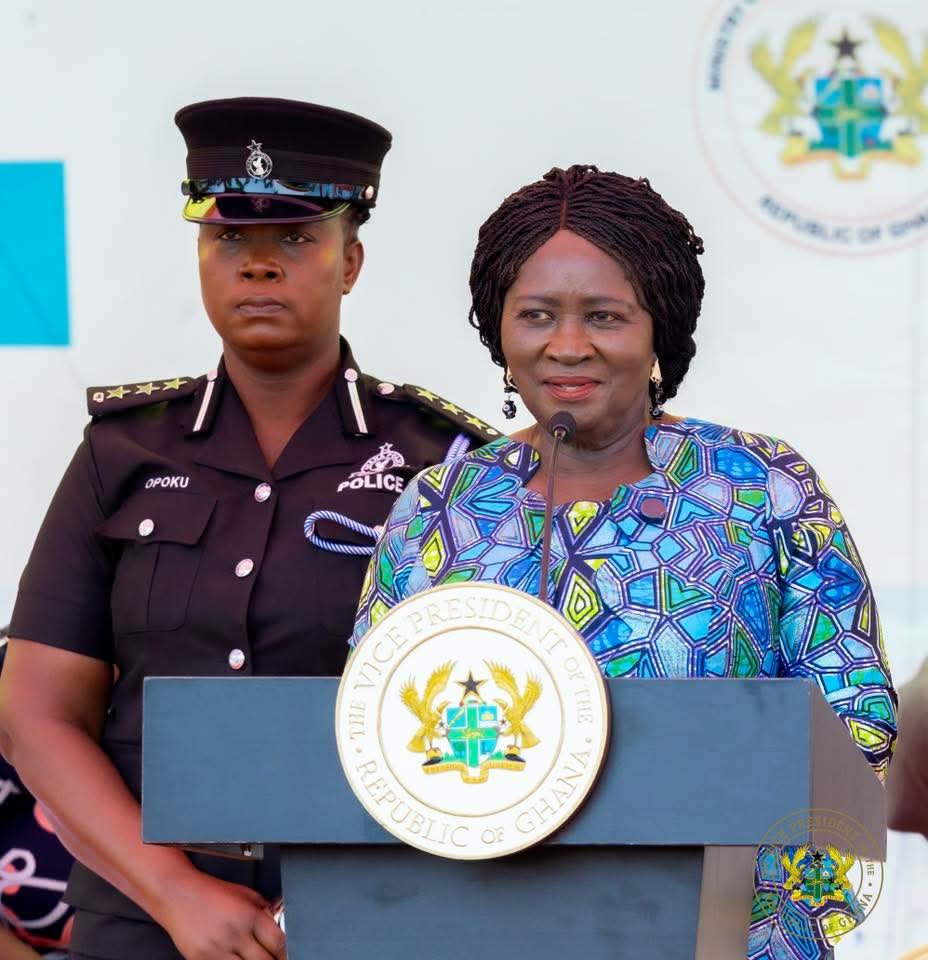
Vice President Jane Naana Opoku-Agyemang has officially declared Ghana’s first Marine Protected Area (MPA) in the Greater Cape Three Points Area, a landmark step in advancing the country’s blue economy and marine conservation agenda.
The Ghana Marine Protected Area initiative, launched in collaboration with the Ministry of Fisheries and Aquaculture and the Fisheries Commission, covers a critical ecological zone spanning more than 21 coastal communities across Ahanta West and Nzema East.
Government officials emphasised that the designation is not intended to limit fishing activities but rather to encourage sustainable practices that will allow marine ecosystems to recover.
According to the Vice President, the initiative is designed to ensure “long-term food security and economic resilience for coastal populations,” highlighting the balance between conservation and livelihoods.
The protected area is expected to help replenish fish stocks, reduce overfishing pressures, and strengthen the sustainability of Ghana’s fisheries sector.
Governance and Community Involvement
As part of the implementation process, authorities have inaugurated an MPA Management Executive Committee to oversee governance, coordination, and enforcement.
The Vice President acknowledged the role of stakeholders, including Fisheries Minister Emelia Arthur, technical experts, development partners such as Hɛn Mpoano, and coastal communities whose collaboration made the initiative possible.
She stressed that the long-term success of the project will depend on “strong partnerships, compliance, and shared ownership” among all stakeholders.
To ensure the initiative delivers tangible benefits, government has pledged targeted support for affected communities. This includes sustainable livelihood alternatives, infrastructure development, and inclusive policy interventions aimed at cushioning any potential disruptions.
The Vice President reaffirmed government’s commitment to ensuring that conservation efforts translate into improved living standards for coastal populations.
Legal Backing and Future Outlook
The declaration was made pursuant to Section 39 of the Fisheries and Aquaculture Act, 2025 (Act 1146), with Cabinet approval, giving it a firm legal foundation.
The move marks a significant milestone in Ghana’s environmental policy, positioning the country as a leader in marine conservation in West Africa.
It also signals a broader commitment to protecting natural resources while fostering sustainable economic growth for future generations.
READ ALSO: MoFA Signs MoU with Sentuo to Boost Agro-Industrial Development in Ghana