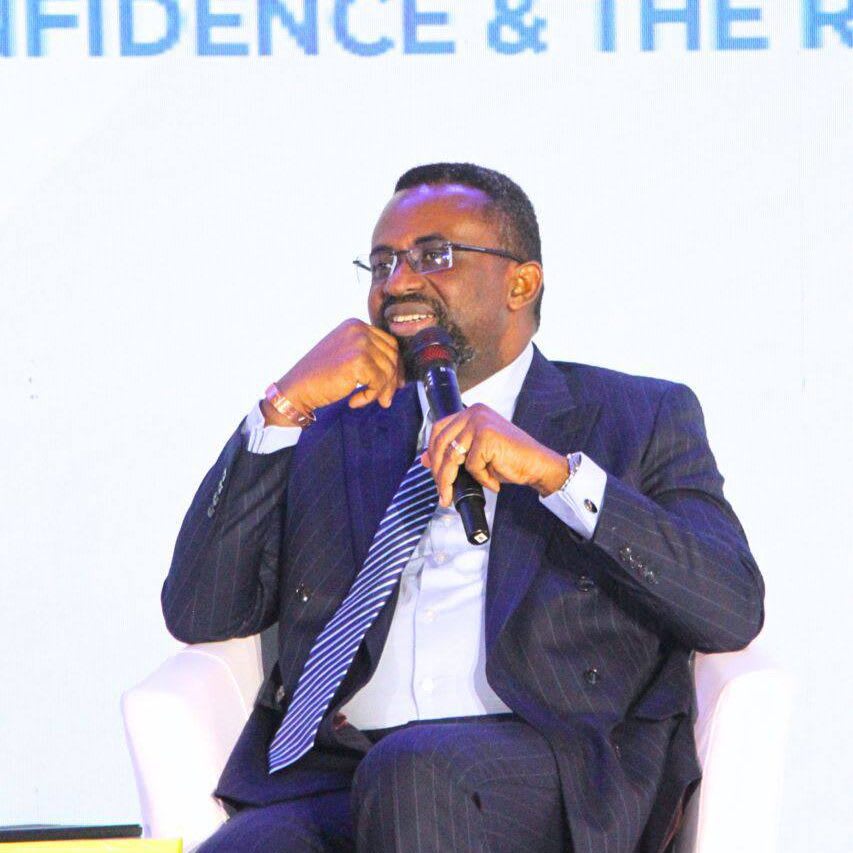
Ghana’s drive toward stronger export competitiveness took centre stage at the “GEXIM at 10” conference in Accra, where policymakers and financial leaders examined how monetary policy and trade finance can work together to support exporters and stabilise growth.
A major feature of the conference was a fireside chat with the Governor of the Bank of Ghana, Johnson Asiama, who addressed the often delicate balance between exchange rate stability and export performance.
For exporters, fluctuating currency values can significantly erode margins and create uncertainty in long-term planning.
Dr. Asiama said managing that pressure requires careful “policy trade-offs” to maintain investor and market confidence while ensuring the cedi remains supportive of export growth rather than becoming a constraint.
Currency Stability Key to Export Growth
The Governor’s participation underscored the growing recognition that export expansion cannot be separated from monetary stability. While the central bank remains focused on inflation and price stability, he noted that institutions such as Ghana Export-Import Bank must step in with practical financial tools that help exporters manage risk.
He suggested that access to hedging instruments and structured trade finance would allow businesses to plan more confidently, especially in volatile international markets.
The broader message from the discussion was that Ghana’s export ambitions will only succeed if financial institutions and monetary authorities act in tandem to create a more predictable business environment.
GEXIM Eyes More Flexible Trade Finance
Chief Executive Officer of GEXIM, Sylvester Adinam Mensah, used the conference to outline what he described as a more focused and practical strategy for the bank’s second decade.
Mr. Mensah acknowledged that GEXIM has recorded notable progress since its establishment, but said the next phase would require more targeted investments in sectors with the highest potential for value addition and export expansion.
He revealed that the bank is looking to introduce “expanded trade finance instruments” that move beyond conventional lending models, including innovative collateral frameworks that recognise intellectual property rather than relying solely on landed assets.
New Financing Model for MSMEs
That shift, he explained, is intended to better serve Micro, Small and Medium Enterprises whose businesses often operate on seasonal or cyclical trade patterns. According to him, many viable export ventures are shut out of financing simply because they do not fit traditional collateral requirements.
The proposed reset is expected to make GEXIM a more responsive financing partner for industrial, agribusiness and creative sector exporters.
For conference participants, the consensus was clear: if Ghana is serious about building a resilient export-led economy, then currency stability, smart trade finance and flexible capital must work together—not in isolation.
READ ALSO: Ghana Launches Cybersecurity Directive 2026 to Strengthen Financial Sector Defences