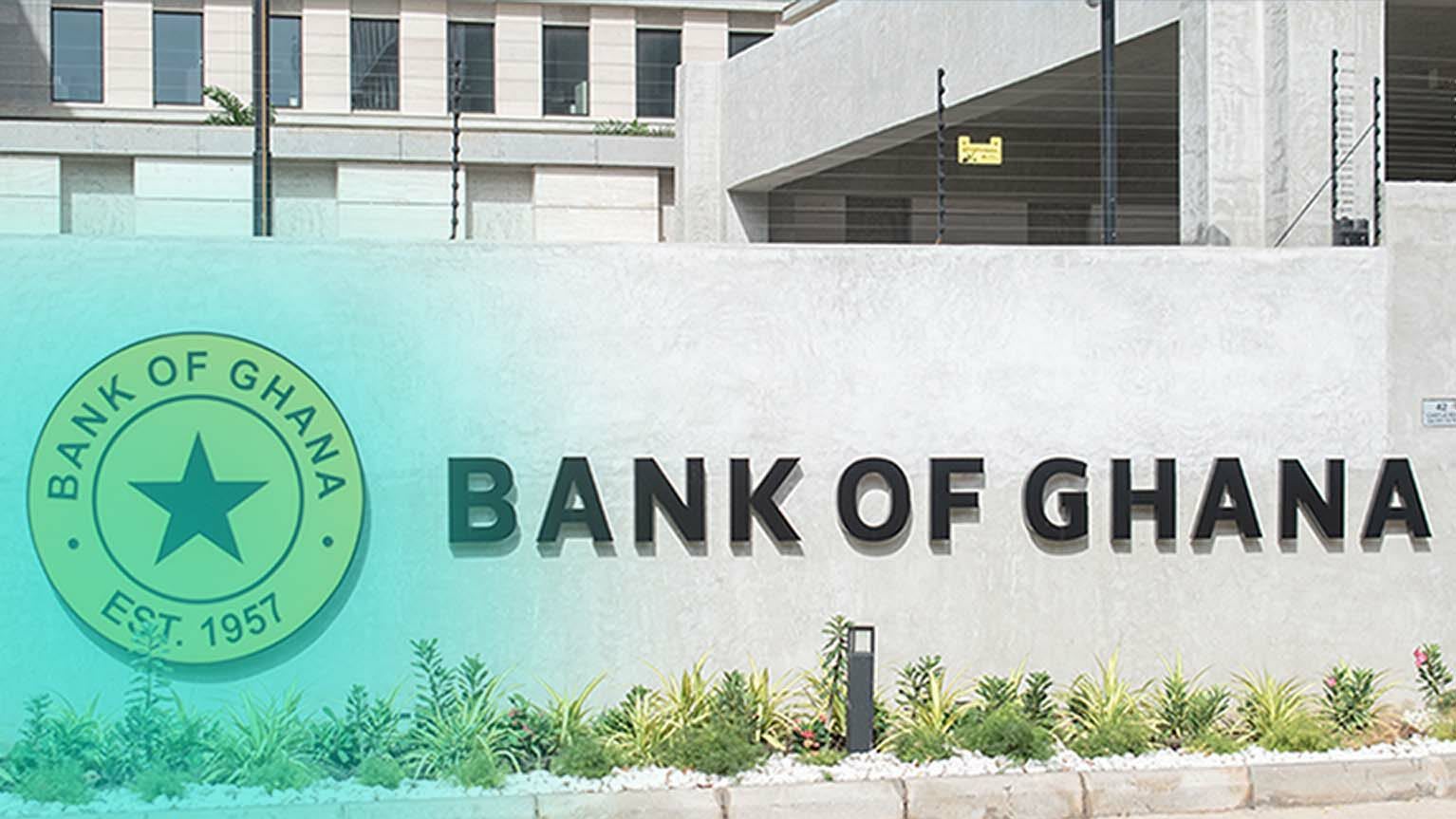
Ghana has taken a major step to reinforce the digital resilience of its financial system with the launch of the Cybersecurity Directive 2026, a new framework aimed at protecting financial institutions from growing cyber threats and strengthening trust in the country’s digital economy.
Launching the Bank of Ghana Cyber and Information Security Directive (CISD) 2026 in Accra, Chief of Staff Julius Debrah said cybersecurity must now be treated as a central pillar of economic stability rather than a narrow technical issue.
He warned that as banking and financial services become more technology-driven, cyber risks increasingly threaten businesses, investments and everyday transactions.
According to him, the financial sector must embed cyber resilience at the heart of its operations to protect public confidence and support national development.
Government Pushes Digital Economy Safeguards
The Minister for Communication, Digital Technology and Innovations, Samuel Nartey George, said government remains committed to positioning the ministry as an enabler of Ghana’s digital economy.
He noted that technology has evolved from being merely a support tool for banks to becoming central to their business models.
He also praised the Bank of Ghana for its leadership in cybersecurity coordination, describing its sectoral Computer Emergency Response Team as one of the most effective in the country.
Mr. George disclosed that all licensed entities under the central bank would soon be designated as Critical Information Infrastructure, a move expected to tighten compliance and enhance sector-wide protection.
He also reiterated government’s policy on data sovereignty, insisting that sensitive financial data must remain stored within Ghana to ensure business continuity and national security.
BoG Unveils Stronger Cyber Resilience Measures
For his part, Bank of Ghana Governor Johnson Asiama described the directive as a transformative framework for a safer and more resilient digital financial system.
He said the rise of mobile money, cloud computing and artificial intelligence has expanded financial inclusion but also introduced more sophisticated risks, including ransomware and systemic data breaches.
Dr. Asiama explained that the revised directive goes beyond basic compliance by introducing AI governance rules, stronger cloud security protocols, risk-based regulatory requirements and mandatory board-level accountability for cybersecurity.
He also announced the expansion of the Financial Industry Security Operations Centre to cover all financial institutions, including fintechs and microfinance firms.
According to him, building a secure financial ecosystem will depend on shared responsibility, sustained investment and stronger institutional collaboration across the sector.