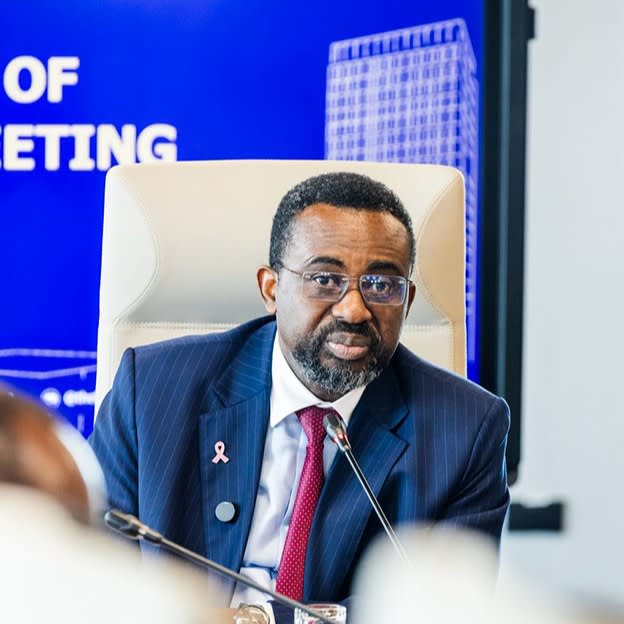
The Governor of the Bank of Ghana, Dr. Johnson Pandit Asiama, has dismissed concerns that the country lost over one billion dollars through the sale of 18 tonnes of gold, explaining that the move was part of a strategic effort to strengthen Ghana’s international reserves.
Speaking at a meeting with the Committee on Economy and Development of Parliament on Monday, March 9, 2026, Dr. Asiama clarified that the Bank of Ghana gold sale did not amount to a depletion of national assets but rather a restructuring of the country’s reserve portfolio.
According to him, the gold was converted into foreign exchange assets which remain fully part of Ghana’s international reserves and continue to serve the country’s economic interests.
“In short, this was a strategic diversification measure designed to strengthen the resilience and usability of Ghana’s international reserves, not a depletion of national assets.” Dr Johnson Pandit Asiama, Governor of the Bank of Ghana
Reserve management focuses on stability
Dr. Asiama explained that central banks typically manage reserves with a long-term perspective rather than attempting to benefit from short-term fluctuations in asset prices.
“Central banks do not manage reserves with the objective of speculating on short-term price movements.
“Rather, reserve management focuses on maintaining an appropriate balance between liquidity, safety and diversification so that the country’s reserves remain resilient under changing market conditions.” - Dr Johnson Pandit Asiama, Governor of the Bank of Ghana
He added that the foreign exchange generated from the transaction remains actively invested as part of the Bank of Ghana’s reserve portfolio, where it continues to generate returns while strengthening Ghana’s external financial buffers.
Rising gold prices increased portfolio concentration
The Governor further explained that the decision to rebalance Ghana’s reserves followed a sharp rise in global gold prices in 2025.
Between January and October of that year alone, gold prices increased by about 62 percent, significantly boosting the value of the Bank of Ghana’s gold holdings.
As a result of the price surge and increased accumulation, gold accounted for roughly 42 percent of Ghana’s Gross International Reserves by October 2025.
While acknowledging that gold remains an important reserve asset, Dr. Asiama noted that such a high concentration in a single asset class poses risks for countries that rely heavily on their reserves for economic stability.
Diversification needed for economic resilience
According to the Governor, international reserve management guidelines encourage diversification to reduce risk.
He said data from the World Gold Council and international frameworks referenced by institutions such as the International Monetary Fund indicate that countries at Ghana’s level of development typically maintain around one-fifth of their reserves in gold.
For Ghana, maintaining a balance between gold and foreign currency assets is essential because the country relies on its reserves to stabilize the foreign exchange market, finance essential imports and respond to external shocks.