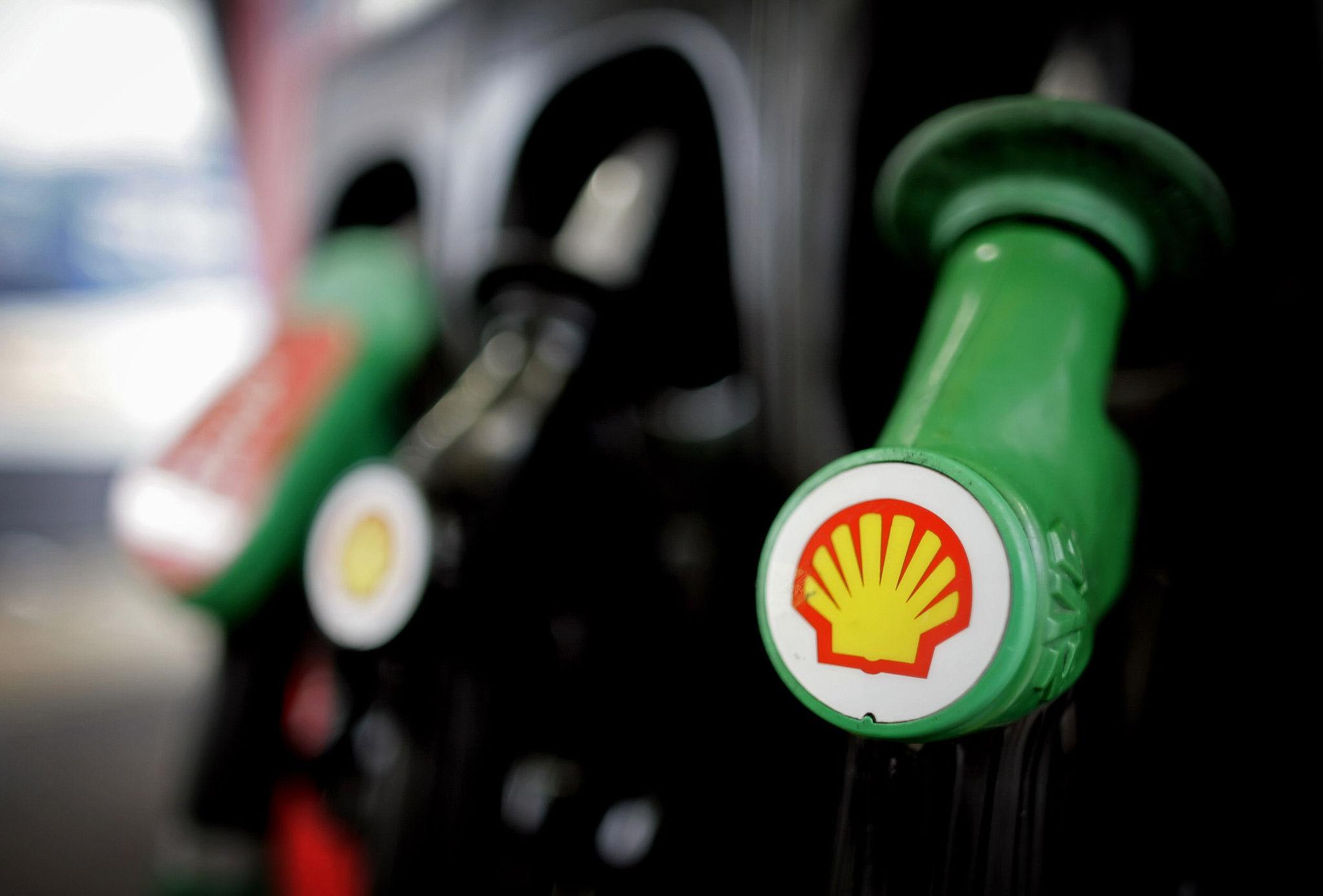
Court proceedings involving Vivo Energy Ghana have taken a significant turn after a prosecution witness reportedly admitted that fuel sold at the Atimpoku Shell filling station was mixed with water, confirming claims that adulterated fuel was dispensed to motorists.
The revelation emerged during testimony in an ongoing case concerning the sale of contaminated fuel at the Eastern Region outlet. According to court accounts, the witness acknowledged that investigations established the presence of water in fuel products sold to customers.
“The product sold at the station was found to have been mixed with water,” the witness reportedly told the court during cross-examination.
The admission marks a critical development in a case that has drawn public attention due to the potential impact on vehicle engines and consumer protection concerns.
Background to the Case
The controversy began after multiple motorists reported vehicle malfunctions shortly after purchasing fuel from the Atimpoku Shell station. Complaints ranged from engine stalling to mechanical damage, prompting regulatory investigations and legal action.
Authorities later conducted tests on fuel samples from the station. Court testimony indicates that laboratory analysis confirmed the presence of water contamination beyond acceptable thresholds.
Vivo Energy Ghana, which distributes Shell-branded fuel in the country, has been linked to the matter through operational oversight of the station.
Consumer Protection Implications
Energy analysts say fuel contamination cases are particularly serious because of the widespread financial impact they can have on vehicle owners.
When water mixes with petrol or diesel:
engines can stall unexpectedly
fuel systems may suffer corrosion
injectors and pumps can be damaged
repair costs can escalate significantly
Consumer rights advocates argue that fuel suppliers have a duty to ensure strict quality control mechanisms across storage, transportation, and retail points.
Regulatory Oversight
The National Petroleum Authority (NPA) oversees fuel quality standards in Ghana and has regulatory powers to sanction operators found in breach of safety and quality requirements.
Industry observers note that fuel adulteration cases, whether caused by negligence, infrastructure failure, or deliberate tampering, can undermine confidence in Ghana’s petroleum retail system.
The court is expected to determine liability, possible penalties, and compensation implications depending on the outcome of proceedings.
Broader Industry Context
Ghana’s downstream petroleum sector has faced periodic scrutiny over issues such as under-delivery, pump calibration discrepancies, and fuel contamination incidents.
Experts say cases like this underscore the need for:
enhanced quality assurance audits
regular tank inspections
transparent supply chain monitoring
consumer complaint tracking systems
They add that maintaining fuel integrity is essential not only for consumer safety but also for preserving brand reputation and investor confidence in the sector.
The court proceedings are ongoing, and further testimony is expected as both prosecution and defense continue presenting evidence.