Currencies across key African markets are expected to trade mixed in the coming week, with Ghana’s cedi and Zambia’s kwacha likely to come under pressure, while Kenya and Uganda maintain relative stability.
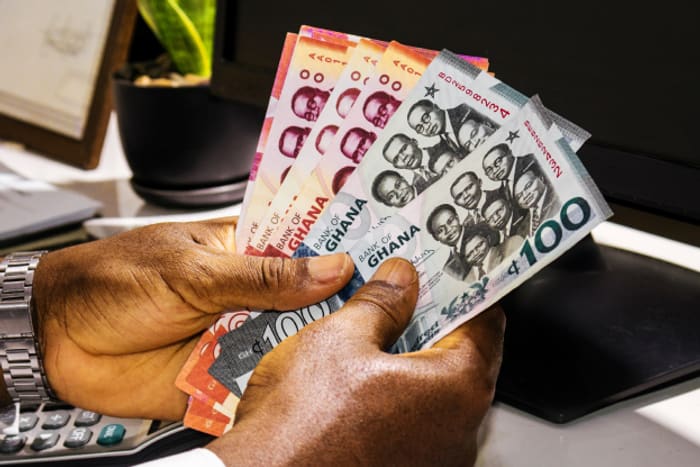
The Ghanaian cedi is projected to extend recent losses against the US dollar, driven by sustained demand for foreign exchange from corporate sectors.
According to market data, the cedi traded at 11.03 to the dollar on Thursday, slightly weaker than 11.01 recorded a week earlier. Analysts attribute the pressure to strong demand from energy, commerce, and manufacturing sectors.
Andrews Akoto, Head of Trading at Absa Bank Ghana, noted that demand continues to outstrip supply despite central bank interventions. “Strong FX demand… is likely to spur a stronger dollar in the week ahead, as supply remains tight,” he said.
He revealed that bids exceeded $401 million at the latest central bank auction, with only $110 million met, highlighting a significant backlog in the market.
Kenya and Uganda Hold Steady
In contrast, Kenya’s shilling is expected to remain broadly stable, supported by easing foreign currency demand following improved global sentiment.
The currency traded at around 129.05/129.25 per dollar, showing little movement from the previous week. Analysts say optimism linked to easing geopolitical tensions has helped stabilise demand.
Uganda’s shilling is also forecast to remain steady, buoyed by inflows from coffee exports and reduced pressure from importers.
Commercial banks quoted the currency at 3,695/3,705 to the dollar, with projections suggesting it will trade within a narrow band in the coming days.
Zambia Kwacha Faces Commodity Risks
Meanwhile, Zambia’s kwacha may face renewed pressure as global copper prices remain volatile. The currency of Africa’s second-largest copper producer was quoted at 19.40 per dollar, slightly stronger than the previous week but still vulnerable to commodity price swings.
Analysts warn that while recent gains in copper prices have offered some support, any downturn could quickly reverse the trend. As one market note indicated, further weakness in the commodity could “re-exert pressure on the kwacha.”
The outlook reflects broader dynamics shaping African currency markets, where external shocks, commodity prices, and domestic demand for foreign exchange continue to drive performance.
While some economies benefit from export inflows and easing demand pressures, others like Ghana face persistent structural challenges that may keep their currencies under strain in the near term.
READ ALSO: Ghana's Economic Reforms Driving Investor Confidence - Finance Minister