Ghanaian businesses are increasingly interpreting recent Bank of Ghana (BoG) losses as a necessary trade-off for restoring macroeconomic stability, even as concerns persist about the long-term implications for growth and fiscal sustainability.
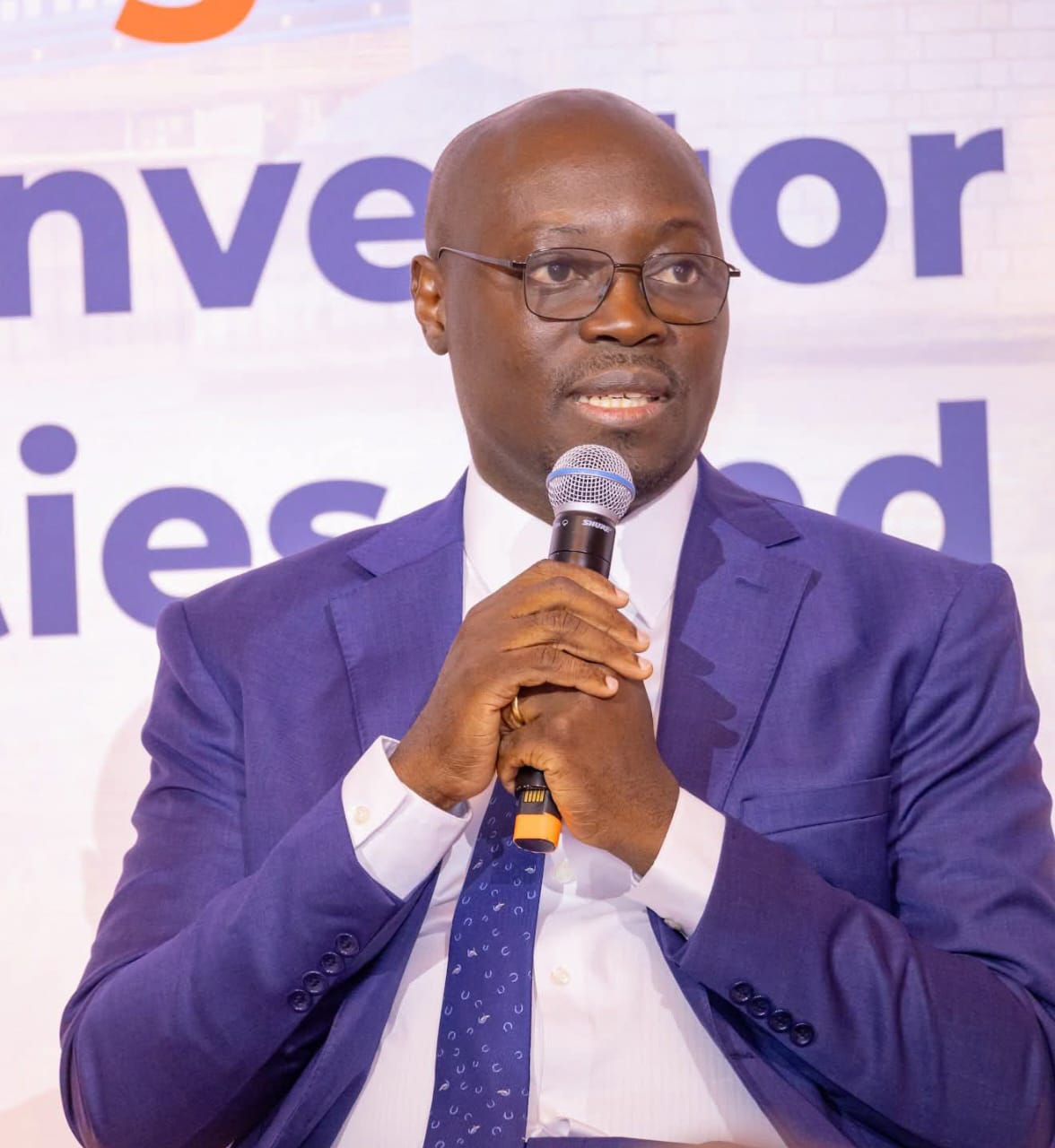
This sentiment emerged during an X Space discussion themed “The Price of Stability,” where Seth Twum-Akwaboah, Chief Executive of the Association of Ghana Industries (AGI), outlined how industry players are reassessing the central bank’s financial position.
“Businesses did not previously focus on the Bank of Ghana’s losses,” he said. “Their attention was on improvements in inflation and the broader macroeconomic environment.”
From Crisis to Stabilisation
Ghana’s economy between 2022 and 2023 experienced significant turbulence, with inflation surging above 50 percent and the cedi depreciating sharply. These conditions placed immense pressure on firms, many of which struggled to survive.
Against this backdrop, Mr Twum-Akwaboah explained that businesses now recognise that the central bank’s aggressive interventions, though costly, were instrumental in restoring stability.
“At the height of the crisis, firms were collapsing. So if the losses were necessary to restore stability and keep businesses running, then many see that as justified.” - Mr Twum-Akwaboah
Despite this acceptance, business leaders caution that the justification for BoG losses is not unconditional. Concerns remain about whether the financial strain on the central bank could create future risks.
“If those losses lead to unmanageable obligations or affect future stability, then it becomes a concern,” Mr Twum-Akwaboah warned, underscoring the need for a careful balance between policy action and financial prudence.
Businesses in a Consolidation Phase
While macroeconomic indicators have improved, most firms are not yet in full expansion mode. Instead, businesses are navigating a transitional phase, moving from recovery toward consolidation.
Mr Twum-Akwaboah described this process as gradual, noting that companies are assessing whether current stability can be sustained before committing to significant investment.
“There is interest in expansion, but it depends on whether the supporting conditions are strong enough and consistent,” he said.
Recent trends in the financial sector show a gradual increase in private sector lending, as returns on government securities decline. However, this shift has not been uniform.
While sectors such as trade and services are benefiting from improved access to credit, manufacturing continues to lag behind, reflecting structural challenges within the industrial sector.
“Private sector lending is improving, but manufacturing is still behind other sectors,” he observed, pointing to persistent constraints that limit industrial growth.
Cautious Optimism Going Forward
The overall mood among Ghanaian businesses is one of cautious optimism. While many acknowledge that BoG losses have contributed to stabilising the economy, firms remain watchful of how sustainable these gains will be.
Ultimately, the acceptance of these losses depends on whether the stability achieved can be maintained long enough to support meaningful expansion, investment, and long-term economic transformation.
READ ALSO: President Mahama Attends Libreville Forum on Innovation and Development