Ghana has ruled out a return to the international capital market in 2026, signalling a major shift in the country’s post-bailout financing strategy as it prepares to exit its three-year Extended Credit Facility programme with the International Monetary Fund (IMF).
Finance Minister, Cassiel Ato Forson, said the government has no immediate plans to issue Eurobonds or seek another IMF bailout arrangement despite improving investor sentiment and stabilising macroeconomic conditions.
Instead, Ghana intends to transition to the IMF’s non-financing Policy Coordination Instrument (PCI), which is designed to support economic reforms and policy credibility without direct financial assistance from the Fund.
The announcement marks one of the clearest signals yet that the government is attempting to reduce dependence on external commercial borrowing after years of debt distress, currency instability and restructuring negotiations with both domestic and foreign creditors.
Government shifts focus to fiscal discipline
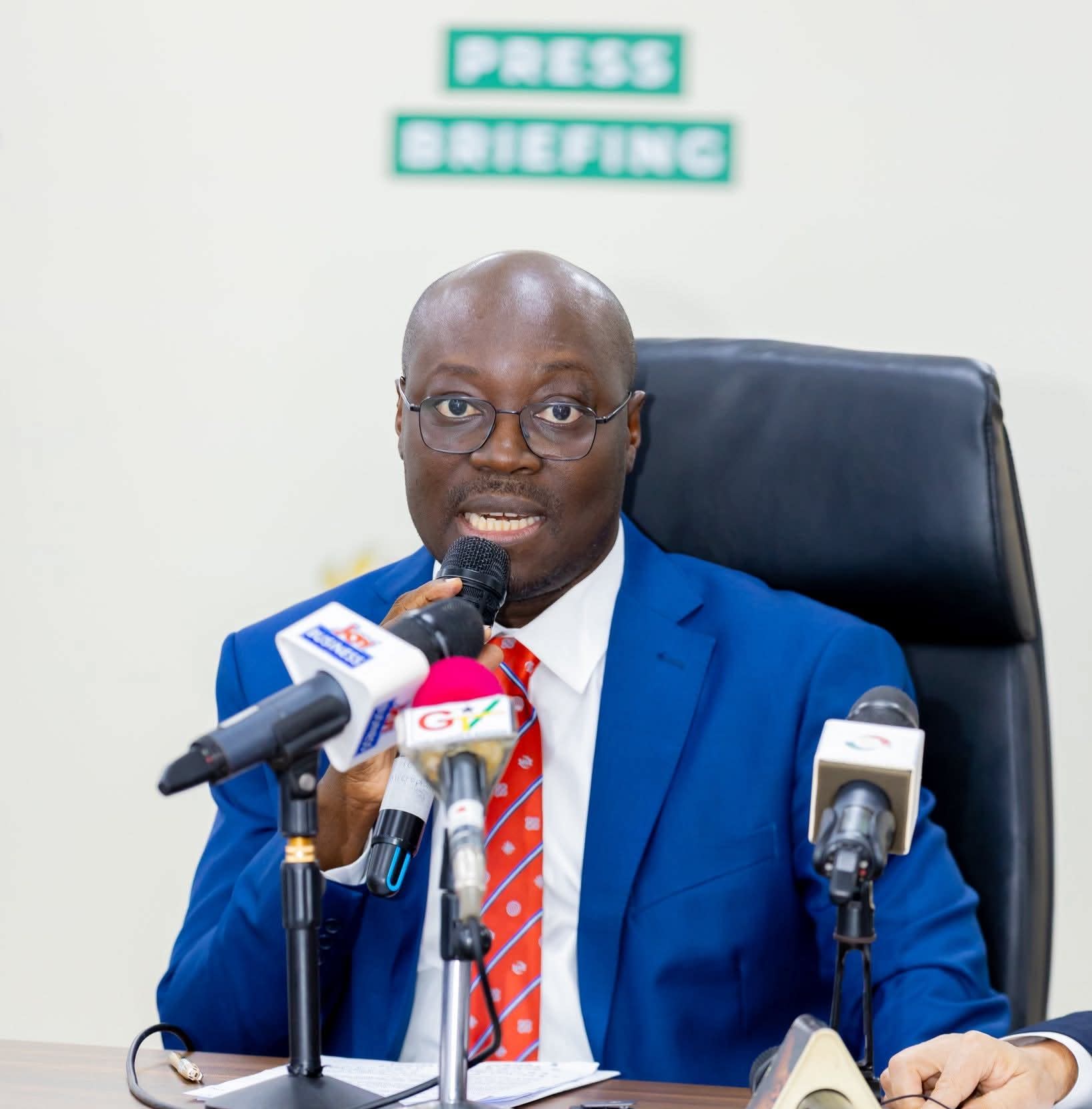
Addressing journalists at a joint press conference with the IMF Mission in Accra, Dr. Forson stressed that the administration of President John Mahama is prioritising fiscal stability and sustainable debt management over aggressive borrowing from international markets.
“We are not in a hurry to go unto the International Capital markets and if we find a need to go to the international capital markets we will accordingly inform the people of Ghana,” the Finance Minister stated.
He further disclosed that Ghana’s 2026 budget assumptions do not include any provision for external commercial borrowing, effectively ruling out a Eurobond issuance for the year.
“One thing is for sure, the 2026 budget never assumed that we are going to the international capital markets for any form of financing, so it is off the table for at least for this year.” - Finance Minister
The decision is expected to reassure multilateral institutions and investors who have repeatedly cautioned Ghana against returning too quickly to the Eurobond market before fully restoring debt sustainability and macroeconomic stability.
Transition from bailout to policy monitoring
Ghana has remained shut out of international capital markets since 2022 after worsening debt levels, rapid cedi depreciation and declining investor confidence triggered a severe economic crisis that eventually forced the country into debt restructuring.
The government’s choice to adopt the IMF’s Policy Coordination Instrument instead of negotiating another financing programme suggests authorities believe the economy has moved beyond the emergency phase of the crisis.
Under the PCI arrangement, the IMF will continue to monitor Ghana’s economic reforms and macroeconomic performance, but without providing financial disbursements.
Dr. Forson, however, left open the possibility of a future return to the capital market depending on economic conditions and government financing priorities.
“In the medium term it will depend on what the government seeks to do so I can assure that we are not in a hurry to go back to the International capital markets.” - Finance Minister
IMF leaves decision to Ghana
For his part, IMF Mission Chief to Ghana, Ruben Atoyan, maintained that any decision regarding a return to international borrowing remains entirely within the authority of the Ghanaian government.
“In terms of the access to the capital market, it is a sovereign decision for Ghana,” he said.
The latest policy direction reflects a broader effort by Ghanaian authorities to rebuild credibility with investors, strengthen fiscal discipline and avoid a repeat of the debt vulnerabilities that pushed the country into economic restructuring.
While improving economic indicators and stronger market confidence may eventually reopen borrowing opportunities, the government appears determined to focus first on consolidation, debt sustainability and macroeconomic stability before considering another return to the Eurobond market.
READ ALSO: Ghana exits IMF bailout programme, Transitions to Non-Financing PCI Arrangement