A coalition of civil society organisations has proposed a Ghana Fuel Price Relief package that could reduce petroleum prices by GH¢1.65, offering temporary relief to consumers grappling with rising fuel costs.
The proposal, put forward by IMANI Africa, COPEC Ghana, Institute for Energy Security and INSTERPR, follows a directive by John Dramani Mahama for a review of the petroleum price build-up.
According to the groups, the recommended reduction should be implemented for a period of two months, longer than the four-week window currently being considered by government.
“We propose a cumulative reduction of GHC1.65 from the current petroleum price build up which should last for a period of TWO months,” the statement said, noting that the measure could be reviewed based on evolving global conditions.
The organisations emphasised that while the relief should be meaningful, it must not undermine the sustainability of the downstream petroleum sector.
Balancing Relief with Fiscal Stability
The coalition acknowledged concerns about fiscal pressure but argued that the proposed intervention would remain manageable.
They pointed to expected gains from Ghana’s upstream petroleum operations as a potential buffer.
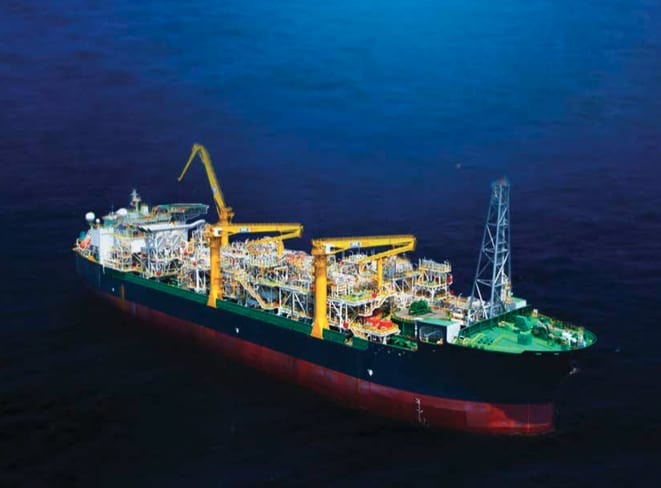
“This recommendation should not over burden the country’s fiscal space as… government will be getting a significant windfall from the country’s upstream crude production,” the statement noted.
The proposal comes at a time of heightened global uncertainty, with fuel prices influenced by geopolitical tensions and volatility in international oil markets.
Beyond the immediate relief, the organisations urged government to adopt long-term measures to address recurring fuel price hikes.
They called for a comprehensive rationalisation of taxes, levies, and margins within the petroleum pricing structure.
They also advocated the establishment of a strategic reserve fund to enable government intervention during supply shocks, as well as renewed investment in domestic refining capacity.
Focus on Local Refining Capacity
A key recommendation includes modernising the Tema Oil Refinery to enhance its ability to process locally produced crude oil.
The groups argued that strengthening local refining infrastructure would reduce reliance on imports and improve price stability over time.
The proposal signals growing pressure on policymakers to deliver both short-term relief and long-term solutions to Ghana’s persistent fuel pricing challenges, as consumers continue to feel the impact of global market shifts.
READ ALSO: Global Energy Crisis: IMF, World Bank, IEA Intensify Response to Middle East War