The International Energy Agency, International Monetary Fund, and World Bank Group have strengthened their coordinated response to the escalating global energy crisis triggered by the ongoing conflict in the Middle East, warning that the economic fallout remains severe and uncertain.
In a joint statement issued after a high-level meeting, the institutions said the impact of the war continues to ripple across global markets, disproportionately affecting energy-importing and low-income countries.
The institutions noted that the crisis has driven up the cost of key commodities, including oil, gas, and fertilisers, with broader implications for food security and employment.
“As we noted earlier this month, the impact of the war is substantial, global, and highly asymmetric,” the statement said, adding that the shock has “triggered concerns about food security and job losses as well.”
While some oil and gas producers have also suffered export losses, the overall effect has been rising global prices and heightened economic vulnerability, particularly in developing economies.
Supply Chain Disruptions Persist
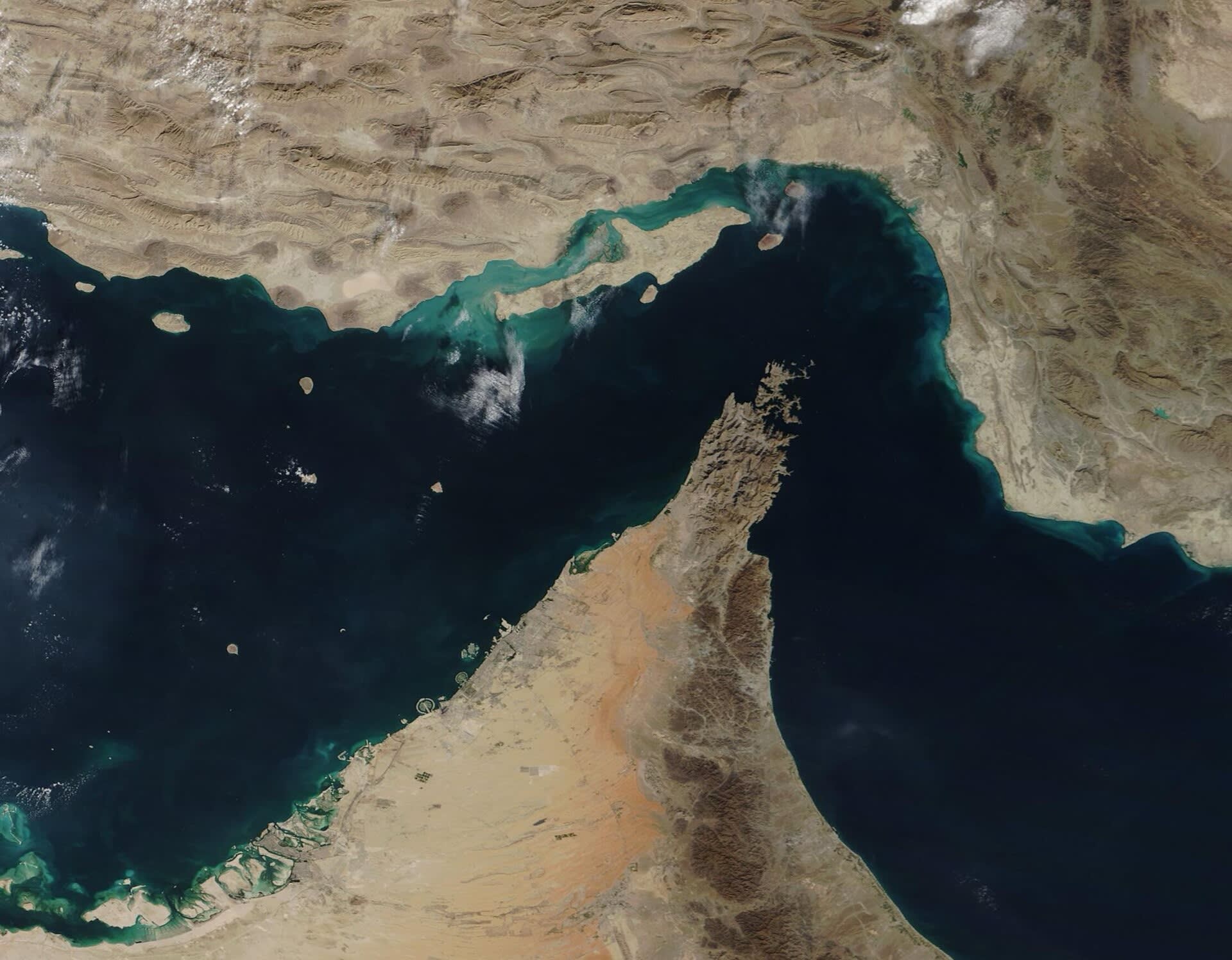
A key concern highlighted in the discussions is the continued disruption to global supply chains, especially through the Strait of Hormuz, a critical energy transit route.
“The situation remains very uncertain, and shipping through the Strait of Hormuz is yet to normalize,” the statement said, warning that even with a return to regular shipping, supply recovery will take time.
The institutions cautioned that shortages of key inputs could have lasting consequences across multiple sectors, including energy, agriculture, and manufacturing.
They also pointed to wider socio-economic impacts, such as forced displacement, job losses, and reduced tourism.
As part of their joint efforts, the three institutions are aligning data analysis, monitoring country-level impacts, and coordinating policy responses. Their teams are working closely to provide tailored support to the most affected economies.
“We shared our latest assessments… and discussed the situations of the countries most affected by the shock,” the statement said, adding that financial assistance and policy guidance would be deployed where necessary.
Focus on Recovery and Stability
Looking ahead, the organisations reaffirmed their commitment to supporting a resilient global recovery.
They stressed the importance of continued collaboration with international partners to mitigate the long-term effects of the crisis.
“We will continue to monitor closely… and coordinate our response… to lay the foundations for a resilient recovery that delivers stability, growth and jobs,” the statement concluded.
The coordinated effort signals growing urgency among global financial and energy institutions to contain the far-reaching consequences of the crisis and stabilise the global economy.
READ ALSO: Moody’s Upgrades Ghana Outlook to Positive, Affirms Caa1 Rating