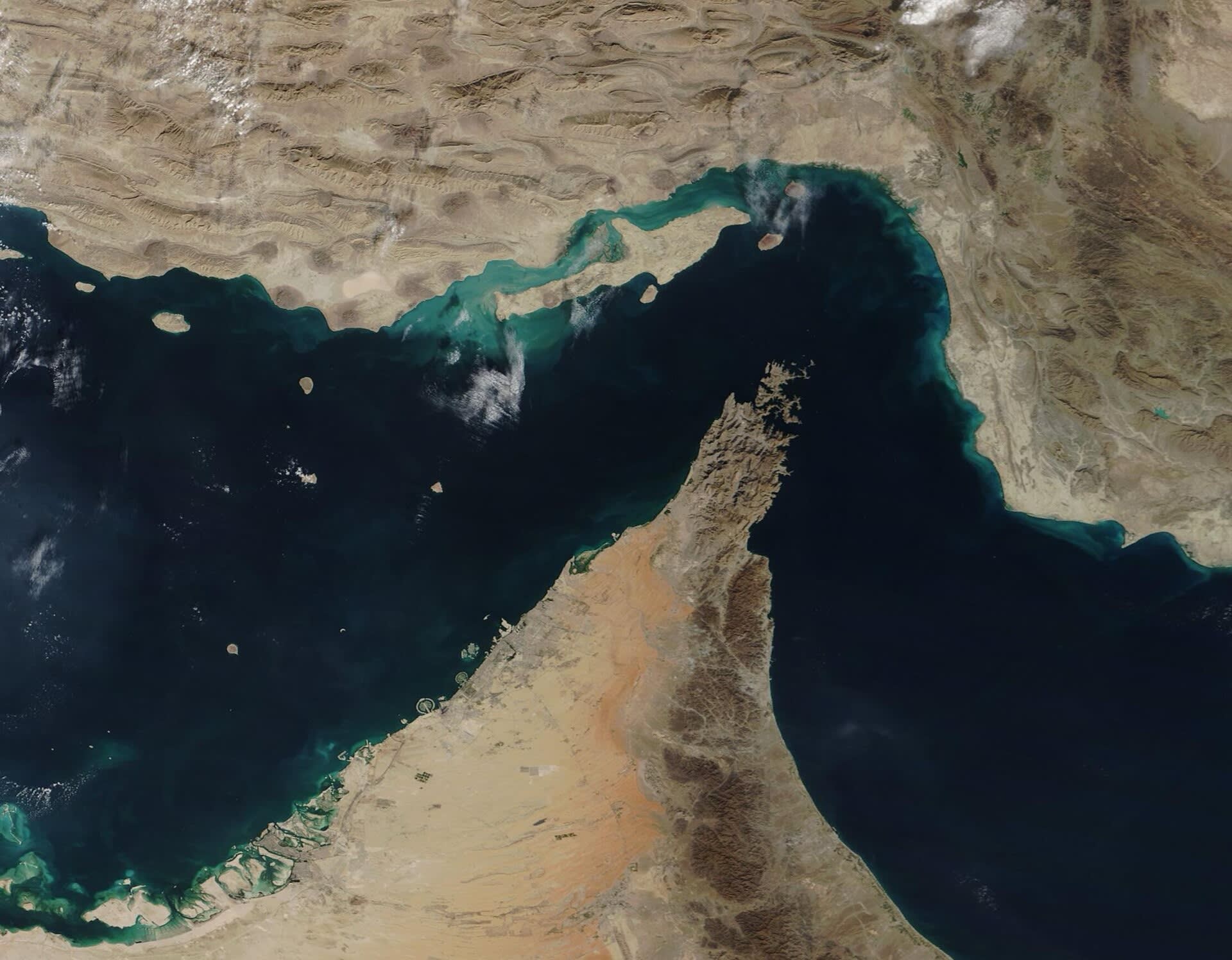
The IEA, IMF and World Bank have formed a coordination group to respond to the global energy and economic fallout of the Middle East war.
In a joint statement issued on April 1 from Washington, DC, the International Energy Agency, International Monetary Fund and World Bank Group said the war has triggered severe disruptions in energy markets and broader economic activity.
They warned that the crisis has already created “one of the largest supply shortages in global energy market history,” with consequences spreading far beyond the Middle East.
Low-income importers seen as most vulnerable
The three institutions said the impact of the conflict is proving “substantial, global, and highly asymmetric,” with low-income and energy-importing countries facing the greatest risks.
According to the statement, the effects are already being transmitted through higher oil, gas and fertilizer prices, while also raising concerns about food inflation and supply chain instability.
Officials said key global supply chains involving commodities such as helium, phosphate and aluminum have been disrupted, while tourism and travel have also been affected due to flight interruptions at major Gulf transit hubs.
They further cautioned that growing market volatility, weakening emerging market currencies and concerns over inflation expectations could force tighter monetary policy and weaken global growth.
New coordination group to align support
The newly formed group will focus on assessing the scale of the crisis across countries and regions through shared data and analysis.
That will include tracking energy prices, trade flows, fiscal pressures, inflation trends, supply chain disruptions and export restrictions on critical commodities.
The institutions said the coordination mechanism could support affected countries through policy advice, financing assessments and possible financial assistance, including concessional support where needed.
“It is paramount that our institutions join forces to monitor developments, align analysis, and coordinate support to policymakers to navigate this crisis.” - IEA, IMF and World Bank
Focus on recovery, stability and resilience
Beyond immediate crisis management, the three institutions said they will also work with other international and regional partners to ensure a broader and more efficient support framework.
They stressed that countries with limited fiscal space and high debt burdens would require particular attention as the shock unfolds.
“We are committed to working together to safeguard global economic and financial stability, strengthen energy security, and support affected countries and people.” - IEA, IMF and World Bank
The announcement signals growing international concern that the Middle East conflict could evolve into a deeper global energy and economic crisis if disruptions persist.
READ ALSO: OmniBSIC Bank Ghana Records GH¢641 million Profit in 2025