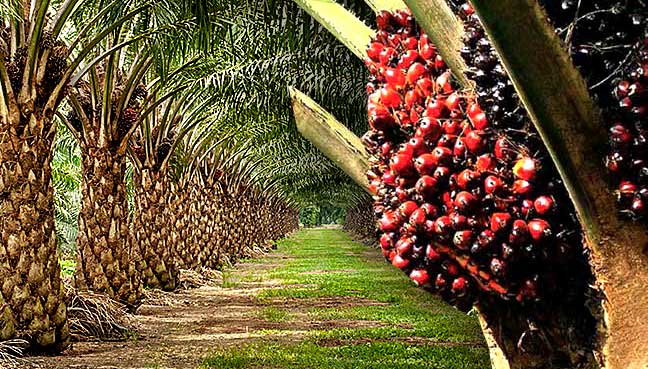
The management of Development Bank Ghana (DBG) has begun consultations with stakeholders in the oil palm value chain as part of preparations for a major oil palm financing programme aimed at transforming one of Ghana’s most strategic agricultural industries.
The move follows government’s announcement of a long-term US$500 million financing package for the palm oil sector, expected to run from 2026 to 2032.
The intervention was first outlined by Finance Minister Dr Cassiel Ato Forson during the presentation of the 2026 Budget Statement last November.
The funding is expected to help close Ghana’s estimated annual oil palm production deficit of 200,000 tonnes while creating more than 500,000 jobs across the value chain.
DBG Positions Oil Palm as a Growth Sector
Speaking at an Oil Palm Roundtable in Accra on April 1, Chief Executive Officer of DBG, Prof. Randolph Nsor-Ambala, said the government’s plan presents significant opportunities for private sector participation.
He explained that the financing package is intended to reposition the oil palm industry into a more efficient and better organised sector capable of supporting industrial growth and reducing import dependence.
According to him, the broader objective is to build a sustainable supply chain that can attract long-term investment and improve productivity across production, processing, and distribution.
Prof. Nsor-Ambala also indicated that while the proposed US$500 million intervention is substantial, more than US$1 billion may ultimately be required to fully unlock the sector’s potential.
A Research Scientist at the Council for Scientific and Industrial Research – Oil Palm Research Institute (CSIR-OPRI), Dr Frederick Sarpong, said Ghana’s artisanal oil palm segment currently accounts for about 44 percent of domestic supply.
However, he noted that the industry continues to face structural weaknesses, including low yields, limited use of modern technology, seasonal production patterns, poor access to financing, and weak market connections.
He warned that these challenges have created a cycle of low productivity and low incomes, particularly in rural communities where oil palm remains a major livelihood source.
Industry Sees Opportunity in Funding Push
Despite the setbacks, stakeholders say the sector still holds strong promise for job creation, rural development, and import substitution.
President of the Palm Development Association, Paul Amaning, described oil palm as a key economic sector that supports more than one million livelihoods across the country.
He welcomed the proposed financing package, but stressed that its long-term success would depend on how effectively it is implemented.
With consultations now underway, stakeholders are expected to help shape a roadmap that could position oil palm as a central pillar of Ghana’s agricultural and industrial transformation agenda.
READ ALSO: Afenyo-Markin Calls for Stronger Support for Indigenous Businesses in Ghana