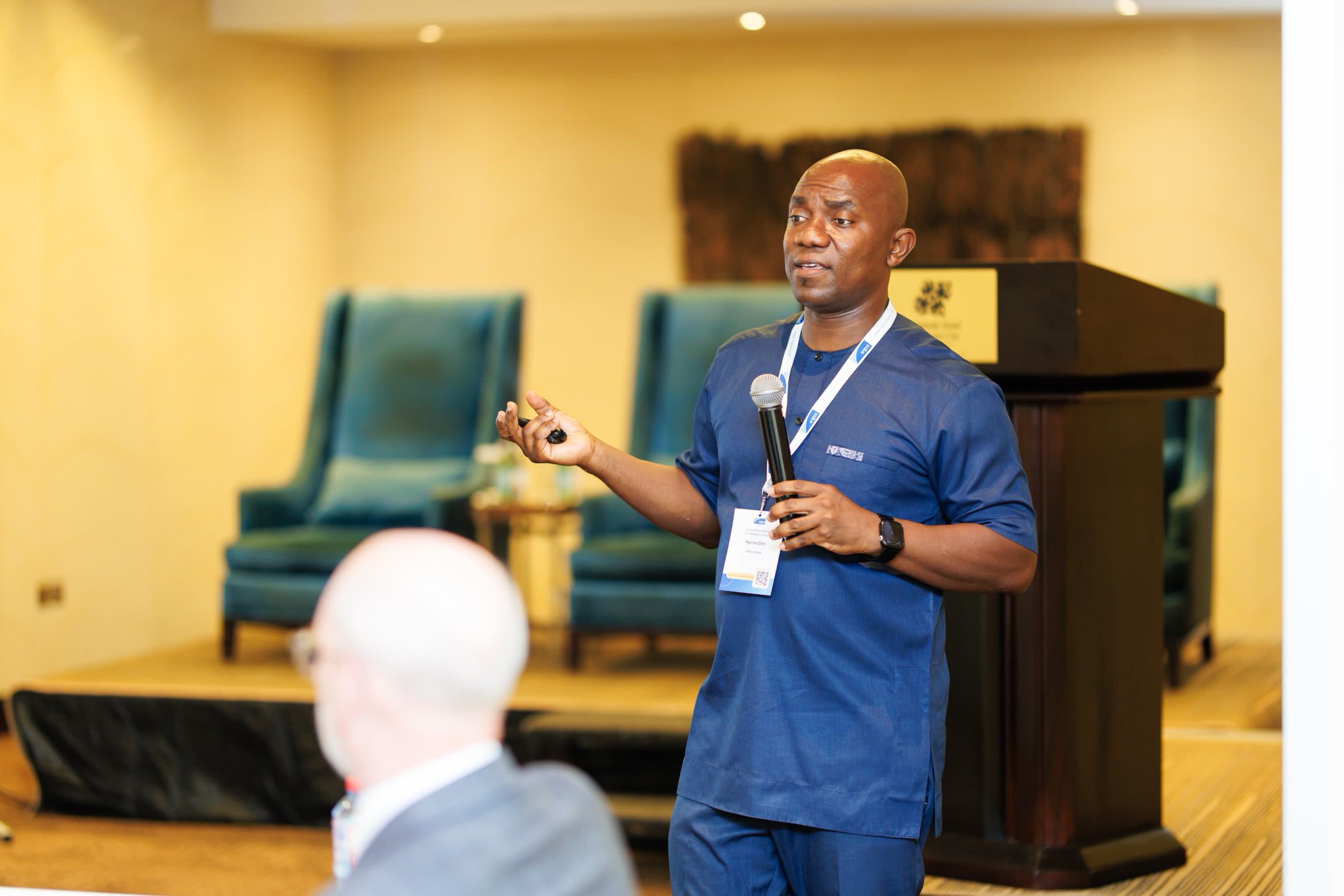
Ghana’s refining and logistics sector faces significant structural challenges, including limited refining capacity, inadequate storage infrastructure and weak logistics systems, according to the Chief Executive Officer of the Ghana Chamber of Bulk Oil Distributors (CBOD), Dr Patrick Ofori.
Speaking at the Argus West Africa Oil Markets Forum on the theme “Market Transparency and Pricing Innovation: Pathways to Sustaining West Africa's Refined Products Supply Chain,” Dr Ofori said the country’s downstream petroleum sector requires major investment to support a reliable supply and improve efficiency.
He noted that Ghana currently lacks sufficient infrastructure to store large volumes of petroleum products, making accusations of deliberate product hoarding unrealistic.
"The refining capacity, logistics, and storage are limited.
"You hear people saying people are hoarding; that's not possible because we don't have the capacity to hold product.” - Dr Patrick Ofori, CEO of CBOD
Infrastructure gaps affecting the supply chain
Dr Ofori pointed to major infrastructure deficits, including the absence of pipeline networks and rail connectivity, which are essential for efficient fuel transportation across countries.
He said a potential pipeline connection between the Dangote Refinery in Nigeria and Ghana could significantly improve the availability and tracking of petroleum products across the region.
“If there is a pipeline from Dangote coming to Ghana and heading to Dakar, product availability will improve, and you can track it without any discrepancy.” - Dr Patrick Ofori, CEO of CBOD
However, he added that the lack of a clear investment framework has limited the development of such projects.
According to him, the sector presents opportunities for partnerships between government and private investors willing to support infrastructure development.
Financing constraints affecting refinery sustainability
Another major constraint facing Ghana’s refining industry is limited access to capital, particularly from local financial institutions.
Dr Ofori explained that many Ghanaian financial entities are undercapitalised, making it difficult to support large petroleum transactions or sustain refinery operations.
“Our market is simply undercapitalised. Not a single Ghanaian bank has the balance sheet to support bringing in a parcel back-to-back.” - Dr Patrick Ofori, CEO of CBOD
He added that sustainable refinery operations require a continuous crude supply, which often requires financing multiple cargoes simultaneously.
“Those who understand refinery economics will tell you that you need about three parcels back-to-back to keep production flowing,” he said, stressing that reliable financing arrangements are essential.
Improving port stability, but rising diesel demand
Dr Ofori acknowledged improvements at Ghana’s ports, noting that congestion and delays, which previously resulted in high demurrage costs, have eased in recent months.
“I think Ghana has become known for demurrage, but you need to give credit — in the last few months, there has been stability at our ports.” - Dr Patrick Ofori, CEO of CBOD
However, he indicated that rising demand for diesel has created additional pressure on the supply chain.
According to him, the output from the Sentuo refinery is often quickly absorbed by the market, making it difficult for terminal operators to replenish stocks.
Need for technology integration and logistics reform
Beyond physical infrastructure, Dr Ofori also highlighted the need for stronger digital integration across regulatory and tax systems within the petroleum sector.
He said coordination gaps between regulatory agencies and tax authorities complicate market operations and limit transparency.
Additionally, Ghana’s heavy reliance on road transport for fuel distribution places a strain on the country’s road network and increases logistical costs.
Limited cross-border pipeline connectivity and high vessel and insurance costs also continue to affect investment in local content development within the petroleum industry.
Despite these challenges, Dr Ofori emphasised that Ghana’s downstream sector presents significant opportunities for investors in logistics, infrastructure, and financial services aimed at strengthening the country’s refined products supply chain.
READ ALSO: COMAC Calls for Stronger Coordination After Petroleum Supply Disruption