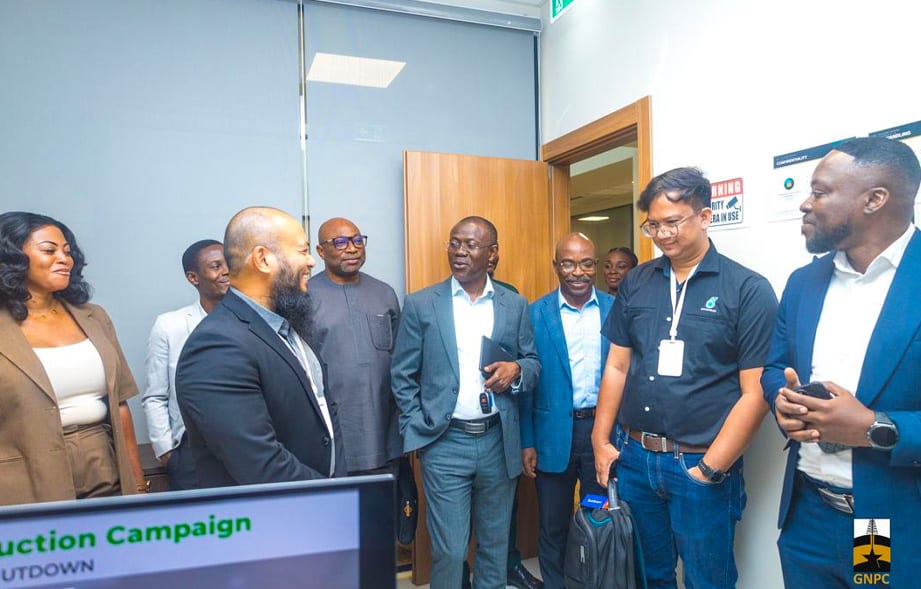
The Executive Secretary of the Chamber of Petroleum Consumers (COPEC), Duncan Amoah, has renewed calls for government to review taxes on petroleum products, citing mounting pressure on consumers due to rising global fuel prices.
Speaking on the controversial GH₵1 fuel levy, Amoah emphasized that the appeal is made “without malice” and aimed at achieving a balanced outcome for both government and consumers.
“It is a call that we had made that the government should consider lowering the taxes in the face of global spikes in fuel prices… You would want a situation where it is a win-win for everybody.” - Duncan Amoah
The call comes amid renewed debate over the GH₵1 Energy Sector Levy, which some lawmakers argue should be scrapped following claims that its initial purpose has been fulfilled.
Fuel prices have continued to climb, with diesel selling at about GH₵15.60 per litre and petrol exceeding GH₵12.40 per litre. Analysts warn that these costs are placing a growing burden on households and businesses.
Amoah argued that the cumulative effect of multiple levies has made fuel pricing increasingly unsustainable for ordinary Ghanaians.
Broader Tax Structure Under Scrutiny
Beyond the GH₵1 levy, the COPEC official pointed to other charges, including the price stabilisation and recovery levy and the special petroleum tax, as areas that require urgent review.
He noted that while these taxes were introduced to address specific challenges in the sector, they have gradually become entrenched revenue streams for government.
“There is a good use for the GH₵1 levy, but we should start preparing to do something about it in earnest,” he added.
Amoah also warned that ongoing geopolitical tensions, particularly in the Gulf region, could trigger further increases in fuel prices in the coming weeks.
He stressed that proactive tax adjustments could help cushion consumers against external shocks, urging policymakers to act swiftly to ease the burden while maintaining fiscal stability.
READ ALSO: SIGA Warns Against Bonuses for Loss-Making SOEs in Ghana