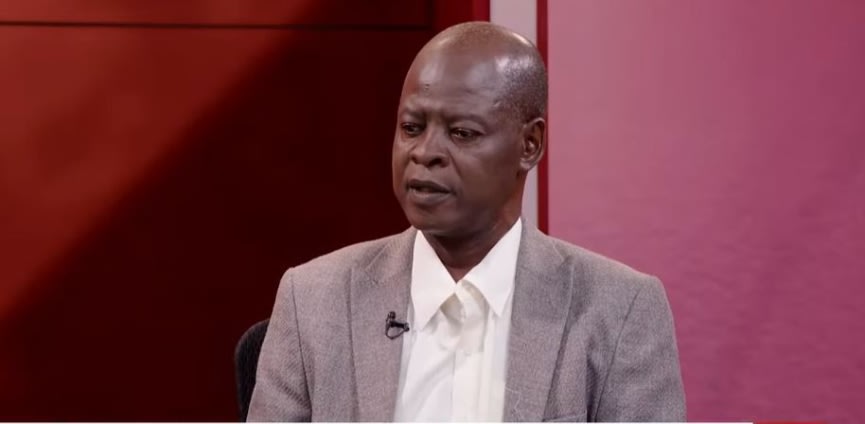
Concerns are emerging about the implementation of Ghana's new mining royalty policy, with natural resource governance advocate Dr Steve Manteaw warning that inadequate stakeholder consultation may have contributed to tensions surrounding the new framework.
The revised royalty regime, which takes effect today, March 10, 2026, introduces a sliding-scale system that adjusts royalty payments based on commodity prices.
While the approach is designed to benefit the state more during commodity booms, Dr Manteaw says some development partners and industry players believe the policy could have been better structured through broader engagement.
Consultation gaps raise concerns.
Despite acknowledging the logic behind the approach, Dr Manteaw believes the implementation process has triggered concerns among some development partners because of limited engagement during policy design.
“What has brought all this discussion and the concerns from some of our development partners is that we did not have adequate consultations, especially in establishing the price bands or thresholds at which the various royalty rates kick in." - Dr Steve Manteaw.
He added that representatives from the American Embassy and other development partners have privately raised questions about how the thresholds were determined and whether the new structure could disadvantage some operators.
Speaking on the policy’s rollout, Dr Manteaw explained that the origins of the current debate date back to earlier amendments to Ghana’s mining legislation.
“Act 703 was amended, and we provided that the Minister shall prescribe the royalty rate for mining companies in Ghana.
"But in the absence of that prescription, the existing status quo will remain. So five per cent, which was what the companies were paying at the time, remains until now.” - Dr Steve Manteaw
According to him, the need to formally prescribe royalty rates gained renewed urgency during negotiations surrounding Ghana’s lithium agreements.
Sliding-scale royalty system introduced
Dr Manteaw said the sliding-scale royalty framework adopted by the government is conceptually similar to the windfall tax proposals that resource governance advocates had previously recommended for the mining sector.
He recalled that the Ghana Extractive Industries Transparency Initiative (GEITI), which he once chaired, proposed the introduction of a windfall tax as far back as 2012.
“At the time, we were dealing with a commodity whose prices fluctuate. Resource owners want to position themselves to cream off a bit of the extra profit during boom periods.” - Dr Steve Manteaw.
However, the mining industry opposed the proposal at the time, arguing that gold prices were relatively weak and that additional taxes could harm investment in the sector.
Instead, the government has opted for a sliding-scale royalty system, which Dr Manteaw describes as a practical alternative to a windfall tax.
“Sliding scale allocates risk and benefits equitably.
"When the price goes up, we all share the benefits of the boom, and when prices are depressed, companies pay less, and the government also receives less.” - Dr Steve Manteaw.
Uneven impact across mining companies
Dr Manteaw also pointed to disparities in how the new policy will affect companies operating in Ghana’s mining sector.
He explained that the country’s three largest gold producers, Newmont, AngloGold Ashanti and Gold Fields, are currently protected under stability agreements, meaning the new royalty regime will not immediately apply to them.
“That creates some discrimination because the majority of the companies, the 15 or so that are on their own, are the ones that will be affected.” - Dr Steve Manteaw.
Some of the companies expected to fall under the new regime include firms such as Adamus Resources, Asante Gold and the Namdini project, many of which are Ghanaian-owned.
Dr Manteaw cautioned that the new structure could place additional financial pressure on smaller mining firms that are already grappling with operational challenges.
While acknowledging the policy’s goal of improving national benefits from mineral resources, he stressed the importance of continuous dialogue with industry stakeholders to ensure the framework remains balanced and sustainable.
READ ALSO: Bank of Ghana Defends Gold Sale as Strategic Reserve Move