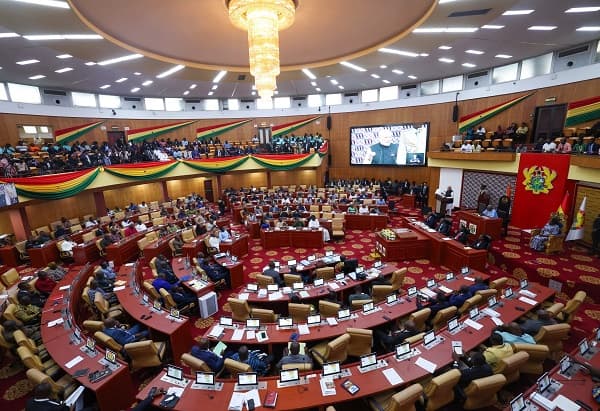
The New Patriotic Party (NPP) has officially announced September 18 to September 20, 2026 as the dates for its upcoming national executive elections, setting the stage for a key internal democratic process that will determine the party’s leadership structure for the next political cycle.
Party officials say the elections will be conducted under the NPP’s established internal voting framework, which emphasizes grassroots participation through its delegate system. The process will allow representatives from constituencies across the country to vote for national officers responsible for steering the party’s administration, strategy, and organizational direction.
Internal Elections Seen as Strategic Milestone
Political observers note that national executive elections are among the most significant events in a political party’s calendar, as they shape leadership dynamics and influence policy direction ahead of future national contests.
Within Ghana’s political system, such internal elections often signal shifts in influence among party factions and can determine how campaign resources, messaging, and organizational priorities are structured going forward.
Analysts say early announcement of the election dates gives potential aspirants time to organize campaigns, engage delegates, and present policy visions for the party’s future.
Bottom-Up Approach Maintained
Party sources indicate that the NPP intends to maintain its traditional bottom-up electoral structure, where local delegates play a decisive role in choosing national leadership.
Supporters of this system argue that it strengthens internal democracy by giving grassroots members a voice in leadership selection. Critics, however, say delegate-based voting can sometimes limit broader participation among rank-and-file party members.
Preparations Expected to Intensify
In the coming months, the party is expected to release detailed guidelines covering nominations, vetting procedures, campaign timelines, and voting regulations.
Political watchers anticipate that interest in national executive positions will increase as aspirants begin consultations with regional and constituency delegates across the country.
The elections are also likely to influence the party’s strategic positioning and internal cohesion, particularly as political parties nationwide prepare for future electoral cycles and policy debates.
Broader Political Context
Internal party elections in Ghana often attract nationwide attention because of their potential impact on national politics. Leadership changes within major parties can shape alliances, policy priorities, and campaign strategies that influence the broader political landscape.