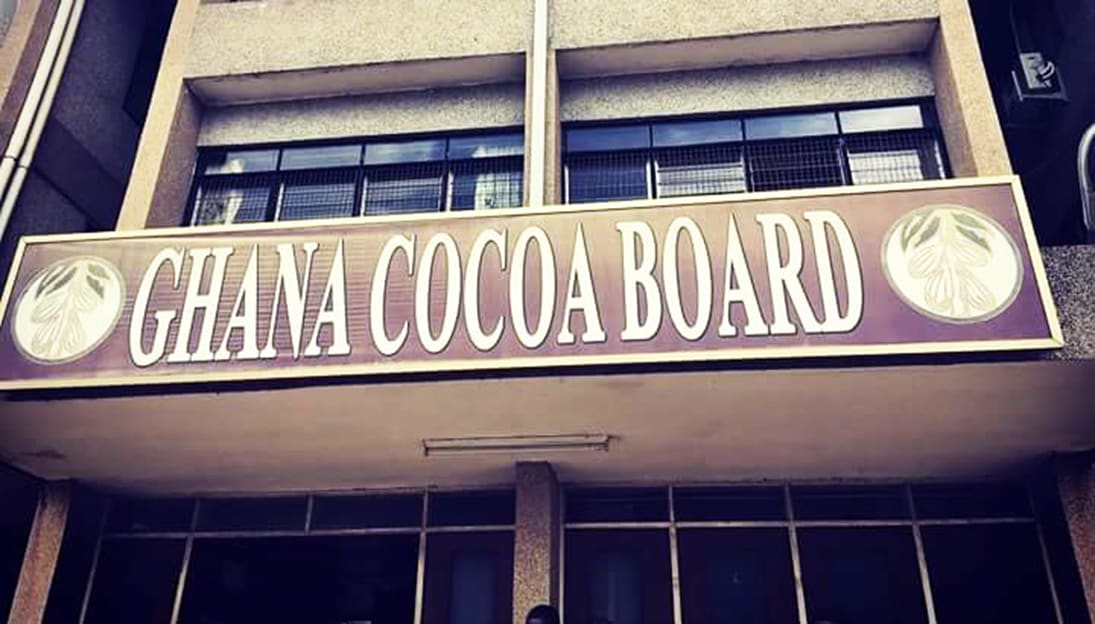
The Ghana Cocoa Board (COCOBOD) has announced plans to conduct a human resource audit to verify its workforce numbers and assess staff roles, a step the institution says is necessary as it implements austerity measures linked to liquidity challenges in the cocoa sector.
The audit will determine whether COCOBOD’s permanent staff strength is indeed above 10,000, a figure officials say has been presented to management. Beyond headcount, the review is intended to examine whether staff “warrant the portfolios they currently occupy,” according to the Citi Newsroom report.
COCOBOD’s move comes as the institution publicly acknowledges financial pressure and signals a broader tightening of costs. In recent days, COCOBOD also announced salary reductions for its executive management and senior staff, citing liquidity constraints and revenue pressures in the cocoa sector.
Why COCOBOD is doing this now
COCOBOD sits at the center of Ghana’s cocoa economy, supporting purchasing, regulation and sector-wide operations in an industry that is critical to export earnings and rural livelihoods. When the institution begins cost controls, it typically raises questions from farmers, industry players and the public about how financial stress could affect services, procurement and general performance.
The staff audit, as described in the Citi Newsroom report, is framed as an internal control measure: verify who is employed, where they work, and whether roles match operational needs.
While COCOBOD has not provided a full breakdown of how the audit will be conducted, human resource audits in large public institutions commonly aim to improve payroll integrity, reduce duplication of roles, and tighten accountability in staffing structures.
A broader belt-tightening effort
The audit announcement lands alongside other measures that have been publicly reported as part of COCOBOD’s response to financial strain.
On salary reductions, MyJoyOnline reported COCOBOD’s executive management took a 20% pay cut and senior staff took a 10% cut, with the institution describing the move as part of a broader cost-cutting effort to align spending with revenue.
GBC Ghana Online similarly reported the pay cuts would remain in place for the remainder of the 2025/26 crop year, again citing liquidity challenges and revenue pressure.
COCOBOD has not, in the reports cited, outlined whether the HR audit could lead to redeployments, restructuring or further measures. For now, the institution is presenting the exercise as a verification and role assessment process.
What this could mean for cocoa sector stakeholders
For industry watchers, COCOBOD’s moves suggest an institution focused on internal controls and expenditure discipline. But the cocoa sector’s performance is influenced by multiple moving parts, including production trends, operational costs, financing arrangements and broader market conditions.
Because COCOBOD’s operations interact with farmers and licensed buying companies, stakeholders often watch for signs that internal cost pressures could spill over into slower services, delayed operational decisions or tighter controls on sector spending.
At the same time, COCOBOD’s leadership could argue that internal reforms and cost controls are meant to protect core functions by reducing inefficiencies and focusing resources on essential operations.
What we know and what we don’t
What we know: COCOBOD says it will conduct an HR audit to confirm whether it has over 10,000 permanent staff and to assess whether staff roles are justified, as part of austerity measures amid liquidity challenges.
What we don’t know yet: The scope of the audit (which departments and subsidiaries are covered), the timeline for completion, and whether the findings will trigger structural changes such as redeployments or workforce reductions.