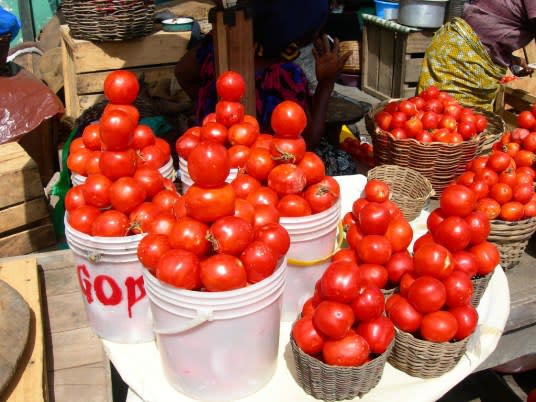
Tomato traders and importers in Accra are warning of potential shortages and sharp price increases after attacks in Burkina Faso disrupted supply routes used to move tomatoes into Ghana, renewing calls for urgent investment in irrigation to boost domestic production.
The warning reflects how quickly regional insecurity can affect consumer prices in Ghana’s major markets. Tomatoes are a staple item, with demand sustained year-round by households, restaurants and street food vendors. When supply tightens, traders say the impact is immediate: prices rise first in wholesale markets, then spread quickly to retail stalls and prepared food.
Citi Newsroom reported that traders fear disruptions in Burkina Faso will constrain volumes reaching Ghana unless government accelerates support for local irrigation infrastructure and dry-season farming.
Why Burkina Faso matters in Ghana’s tomato supply
For years, Ghana has relied on imports to supplement local tomato production, especially during the dry season when output drops in many farming areas without irrigation. Traders say Burkina Faso has been a consistent source of supply during these periods, helping stabilize market availability when local volumes are insufficient.
That dependence becomes a vulnerability when cross-border routes become unsafe or disrupted. Bloomberg reported that Ghana suspended tomato imports from Burkina Faso after the killings of traders in the attack, a move that it said drove prices higher locally.
Government response and domestic production targets
The traders’ warning comes as government officials have been publicly discussing ways to cut reliance on imported tomatoes and scale local production.
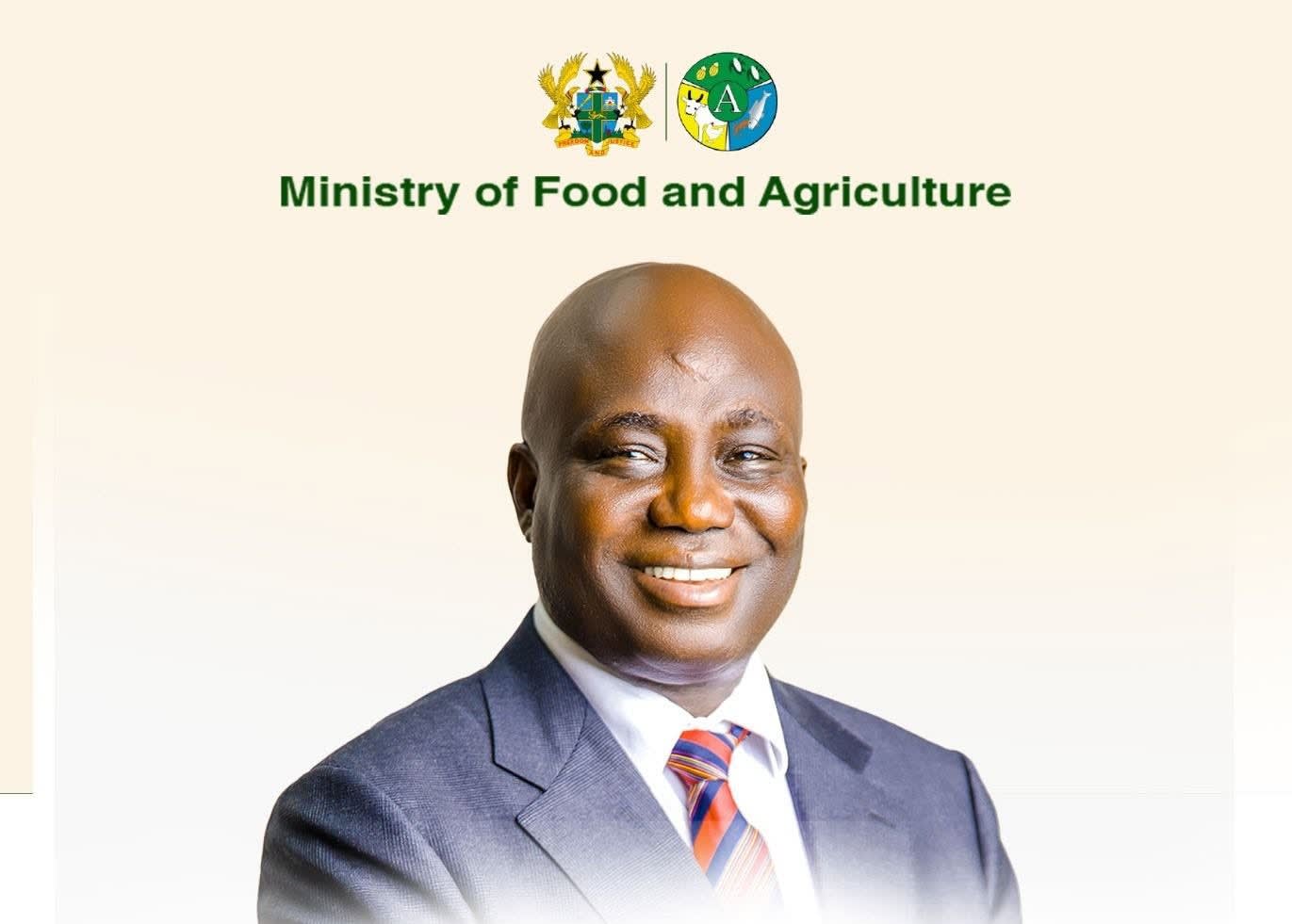
Graphic Online reported that Deputy Minister for Food and Agriculture John Dumelo said Ghana’s annual demand for tomatoes is about 800,000 metric tonnes, and that efforts are underway to increase domestic output, particularly during the dry season. He was quoted saying Ghana hopes to produce about 200,000 to 300,000 metric tonnes, especially in the dry season, by the end of the year, and that the country aims to end dependence on Burkina Faso imports within six years.
The same broad direction has appeared in other agriculture trade reporting, with industry outlets also citing Dumelo’s push to reduce import dependence by scaling production.
What traders are saying
Citi Newsroom’s report captures a central concern from market operators: when supply routes are disrupted, tomatoes can become scarce quickly, creating conditions for price spikes that affect consumers across income levels.
Traders argue that the only durable solution is expanding year-round production capacity in Ghana, especially through irrigation. In their view, emergency measures such as temporary import suspensions or short-term market interventions do not address the structural issue: local output does not consistently meet demand across seasons.
Why irrigation keeps coming up
Irrigation is one of the major constraints in Ghana’s vegetable supply chain. Without reliable water systems, farmers in many areas are limited to seasonal cycles, making it hard to maintain stable volumes when rain-fed production falls.
That creates a familiar pattern in markets: periods of abundance and wastage in peak season, followed by scarcity and higher prices when supply tightens. Over time, this cycle increases consumer vulnerability to price shocks triggered by external disruptions, including cross-border insecurity.
What this means for consumers
For households, tomato price spikes show up immediately in daily meals. For chop bars and street vendors, tomato price increases can drive up the cost of stews and sauces, forcing either smaller portions or higher prices to customers. Traders say that when tomatoes rise, the effect spreads through related goods and prepared food pricing.
The current security situation in parts of Burkina Faso adds a layer of uncertainty for market planning. Even if routes reopen, traders say confidence and volumes may take time to normalize.
What we know and what we don’t
What we know: Traders in Accra are warning of shortages and higher tomato prices due to disrupted supply routes linked to insecurity in Burkina Faso, and they are calling for urgent irrigation investment to boost domestic production.
What we know: Government officials, including Deputy Agriculture Minister John Dumelo, have publicly discussed expanding dry-season output, citing demand around 800,000 metric tonnes and targets of 200,000–300,000 metric tonnes in dry-season production as part of a longer-term plan to reduce import dependence.
What we don’t know yet: How long supply disruptions will persist, whether any formal import restrictions will be adjusted, and what immediate interventions (if any) government will deploy to stabilize prices in the short term.