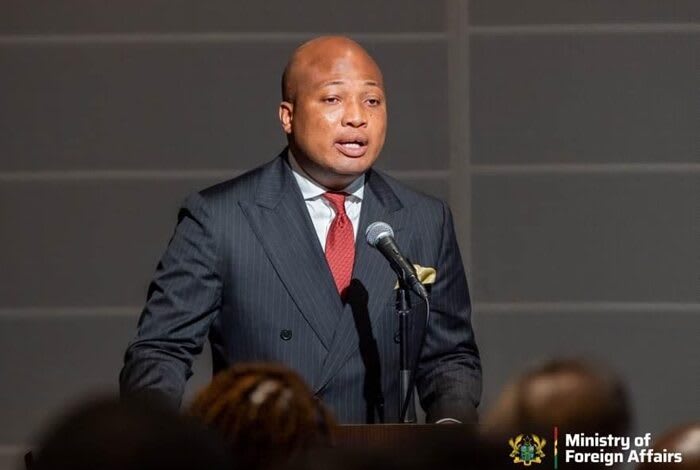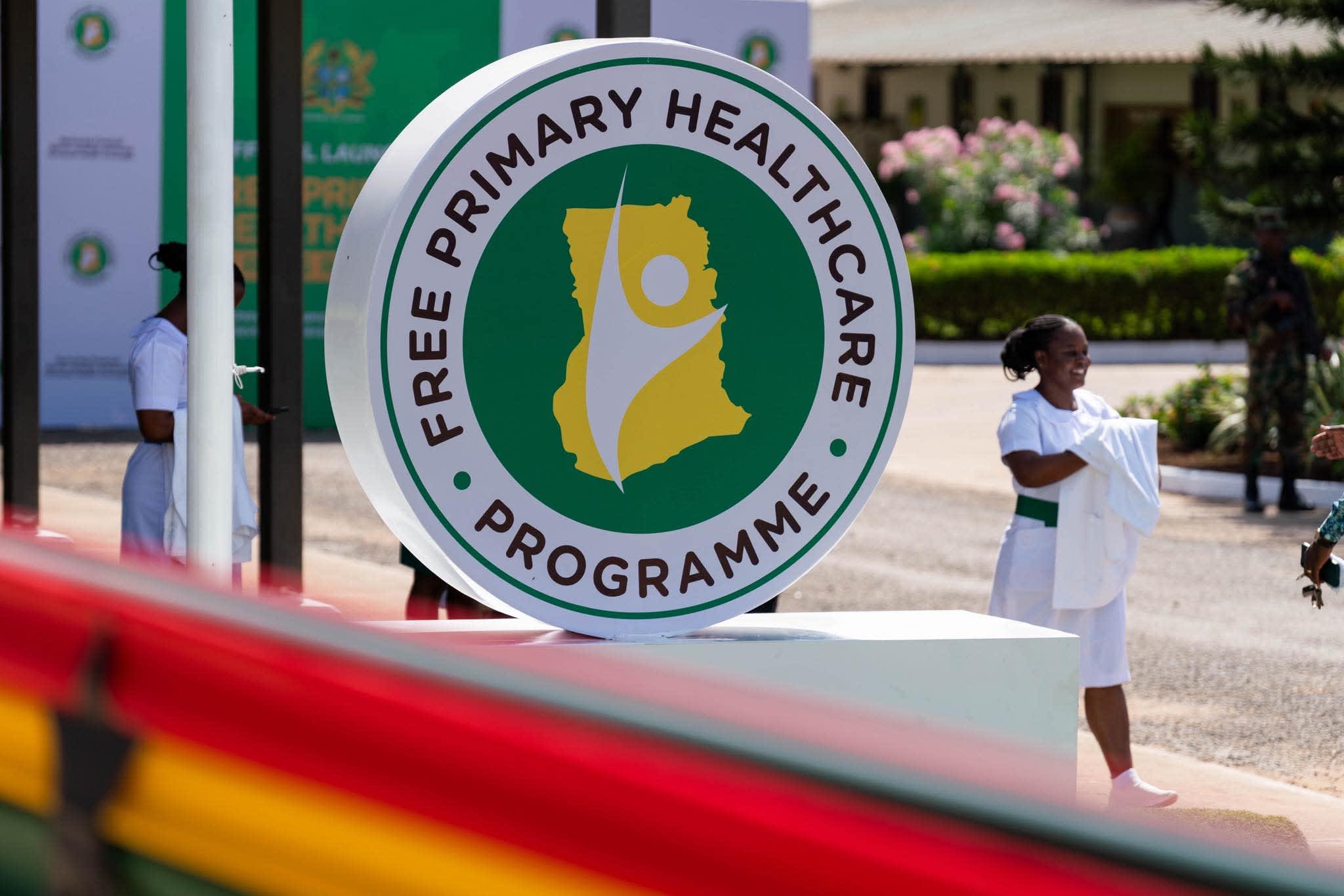
President John Dramani Mahama has officially launched Ghana’s Free Primary Healthcare Policy at Dodowa Government Hospital, marking a major step toward achieving universal health coverage.
Addressing health professionals, stakeholders, and community leaders, the President described the initiative as a transformative policy designed to remove financial barriers and ensure equitable access to healthcare.
“Universal health coverage is the situation where every citizen has access to quality, affordable care,” he said, acknowledging that gaps still exist, particularly in rural and underserved communities.
A key feature of the policy is its integration with the National Health Insurance Scheme rather than replacing it. President Mahama explained that while NHIS has expanded access to treatment, it is largely reactive.
“The free primary health care complements the national health insurance. It is not coming to replace it,” he emphasised.
Under the new system, primary healthcare services will be free at the point of access, with citizens able to use basic identification such as the Ghana Card. However, NHIS will still cover more advanced treatments at higher-level facilities.
Focus on Prevention and Early Detection
The policy introduces a shift from curative to preventive care, with a nationwide focus on early diagnosis. Government plans to ensure that every Ghanaian undergoes at least one health screening annually.
“At least every Ghanaian must be screened once a year,” the President stated, highlighting conditions such as hypertension and diabetes as key targets.
He noted that early detection can significantly reduce complications and improve long-term health outcomes, easing pressure on hospitals.
The initiative also addresses the growing burden of Non-communicable diseases, which are now major contributors to mortality in Ghana.
President Mahama pointed to lifestyle factors, including poor diet and reduced physical activity, as drivers of the trend. He stressed that health education will be central to the programme.
“A major part of the free primary health care will be education on how to maintain a decent lifestyle,” he noted.
Community-Based Healthcare Delivery
Implementation will rely on community-level systems such as CHPS compounds, health centres, and mobile outreach services.
Trained volunteers, including nurses and national service personnel, will be deployed to conduct screenings and provide basic care.
“They will go from place to place… and you can just come and take your test quickly,” the President explained, underscoring the goal of bringing healthcare directly to communities.
The policy forms part of a broader healthcare system that includes referral pathways to district hospitals and financial support for advanced treatment through the Ghana Medical Trust Fund.
Rollout will begin in 150 underserved districts, with nationwide coverage expected by 2028. Mobile clinics will complement fixed facilities to ensure access in remote areas.
“This policy is about changing outcomes… ensuring that Ghanaians do not wait until they are seriously ill before seeking healthcare,” he said.
President Mahama concluded by urging citizens to embrace the initiative, stating that it aims to change health-seeking behaviour and reduce preventable deaths.
READ ALSO: NPP Raises Alarm Over Arbitrary Arrests and Rule of Law Concerns