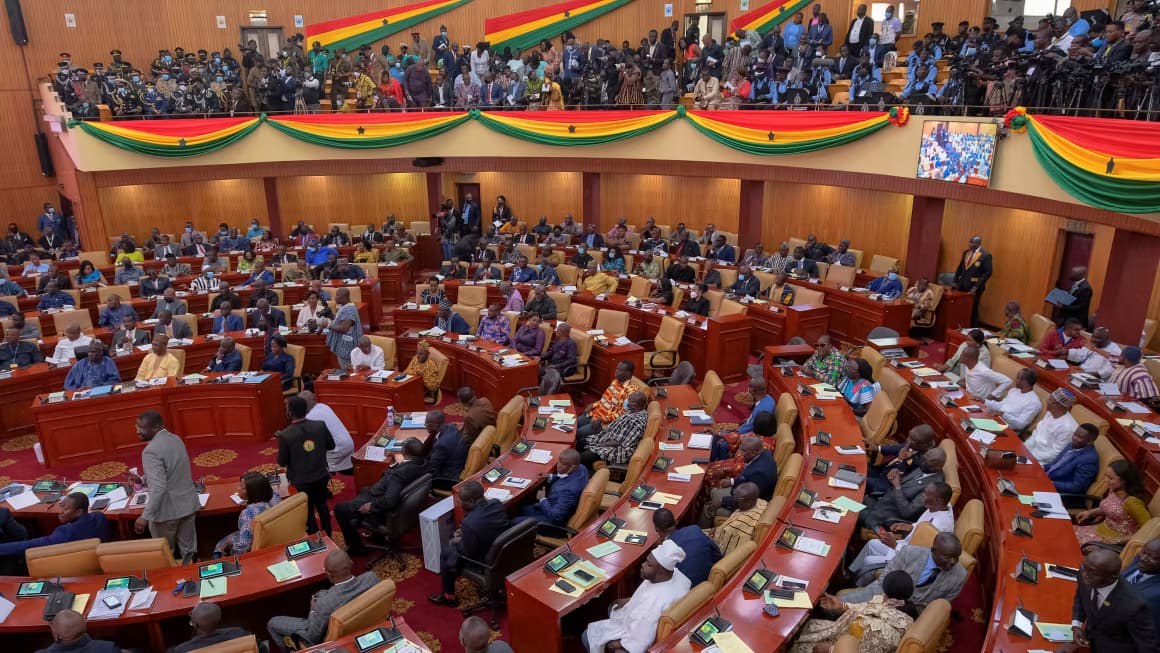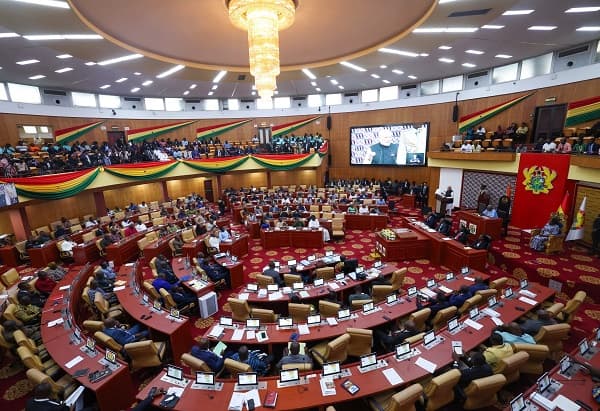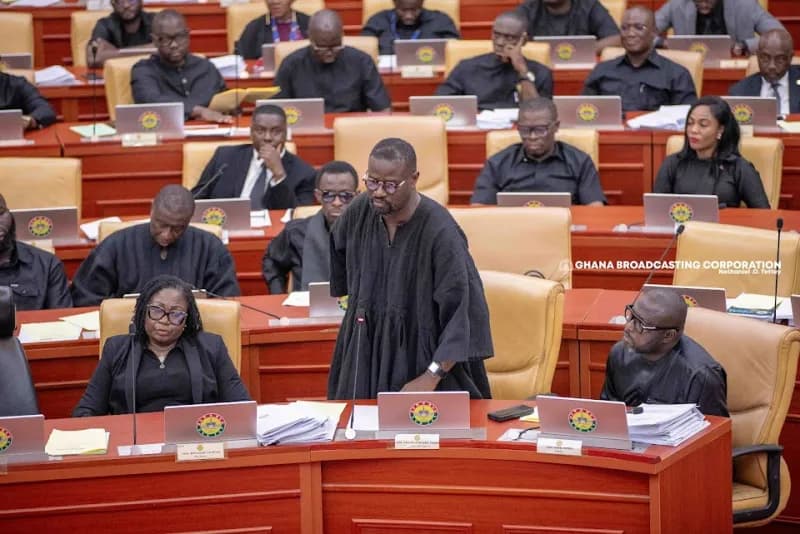
Ghana’s Minority caucus in Parliament has indicated it may seek legal redress at the Supreme Court over what it calls the government’s failure to properly present policies and programmes for parliamentary review.
According to the Minority’s spokesperson on the Economy and Development Committee, the move is under consideration as part of efforts to enforce constitutional accountability mechanisms.
The threat of court action comes amid growing tensions between the opposition and the administration over governance transparency and legislative oversight.
Legal and constitutional context
Ghana’s constitution places the Supreme Court as the country’s final court of appeal and ultimate arbiter in constitutional disputes, giving it authority to resolve conflicts between state institutions.
Legal experts say such a case would likely hinge on whether the executive branch has fulfilled its obligation to submit policy frameworks to Parliament for scrutiny.
Background tensions
The dispute reflects a broader pattern of accusations by the opposition that the government has not provided sufficient details on certain policy initiatives or financing arrangements.
In previous statements, opposition lawmakers accused authorities of lacking clarity about projects tied to public funds and questioned transparency surrounding budget allocations.
Political analysts note that legal challenges between branches of government are not unusual in Ghana’s constitutional democracy and can serve as institutional checks and balances.
Implications
If the Minority proceeds with legal action, the case could test constitutional boundaries around executive authority and parliamentary oversight.