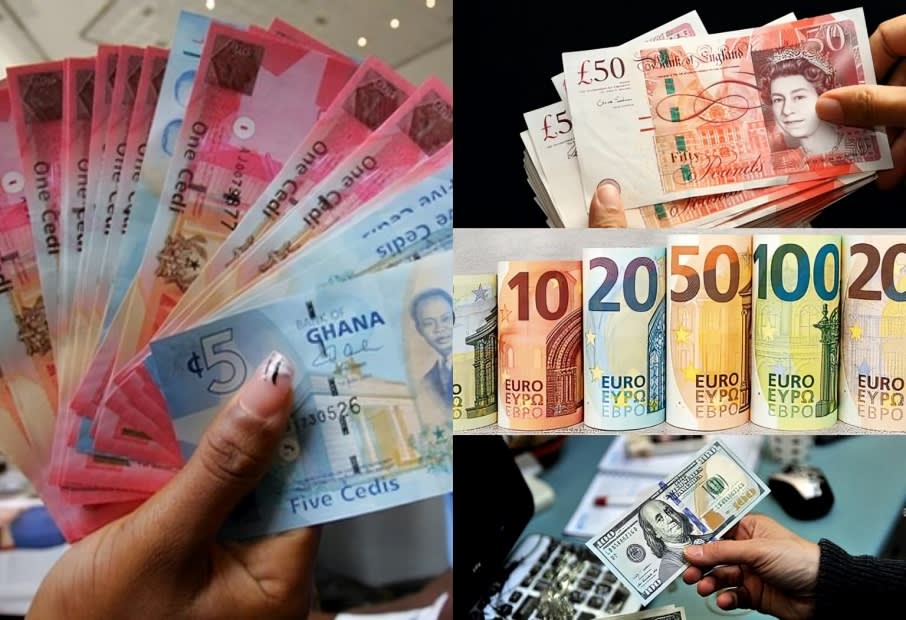
The Bank of Ghana has moved to calm growing concerns over recent pressure on the Ghana cedi, insisting that the country’s foreign exchange market remains stable and adequately supported by available dollar reserves.
In a strong reassurance to businesses, investors and financial institutions, the Central Bank said there is no cause for panic despite renewed depreciation of the local currency over the past two weeks.
The assurance comes amid rising concerns from importers, manufacturers and financial institutions over access to foreign exchange following reports that some forex requests submitted during recent market auctions were not fully satisfied.
Those developments triggered speculation about possible supply constraints and increased demand for dollars in parts of the market.
However, officials at the Central Bank have dismissed suggestions of a forex crisis, maintaining that Ghana’s foreign exchange management framework remains functional and responsive to prevailing market conditions.
Cedi Pressure Raises Business Concerns
Recent data from commercial banks indicate that the cedi has lost nearly seven per cent of its value against major trading currencies since the beginning of the year.
The depreciation has unsettled businesses that rely heavily on imports and international transactions, particularly as exchange rate fluctuations continue to affect pricing and operational costs.
Despite those concerns, sources close to the Bank of Ghana described the recent movements as “marginal blips” rather than signs of deeper economic distress.
Officials argued that exchange rates naturally respond to changes in demand, liquidity conditions and broader market sentiment.
According to a senior source familiar with the Bank’s position, the foreign exchange market is being monitored closely and any policy response will be guided by economic data rather than market speculation.
The source added that a currency experiencing occasional corrections should not automatically be viewed as unstable.
Central Bank Defends FX Management Strategy
At the centre of the Bank’s confidence is its ongoing Foreign Exchange Intermediation Programme, which authorities say continues to provide liquidity support to commercial banks and businesses.
Officials insist the programme remains on course and there is currently no need for emergency policy adjustments.
The programme has been a key mechanism for supplying foreign currency into the banking system, helping reduce volatility and support sectors dependent on imports.
Financial analysts say the reassurance from the Central Bank could help stabilise market expectations and reduce speculative demand for dollars in the short term.
The latest depreciation comes after one of the cedi’s strongest performances in recent years.
According to previous data released by the Bank of Ghana, the local currency appreciated by about 24 per cent during the first five months of 2025, boosting investor confidence and easing import costs for businesses.
Because of those earlier gains, some analysts believe the current depreciation reflects a market correction rather than a reversal of the broader trend.
Businesses Continue Monitoring Forex Market
Despite the Central Bank’s assurances, many businesses remain cautious as they monitor developments in the forex market.
Importers and manufacturers dependent on imported raw materials say exchange rate stability remains critical to sustaining production and managing consumer prices.
For now, however, the Central Bank maintains that it has sufficient reserves, policy flexibility and intervention tools to manage the market effectively.
The message from policymakers remains clear: Ghana’s foreign exchange market is under control, and authorities do not see the current cedi pressure as evidence of a broader financial crisis.
READ ALSO: Mahama Highlights Free Primary Healthcare and NHIS Reforms at World Health Assembly