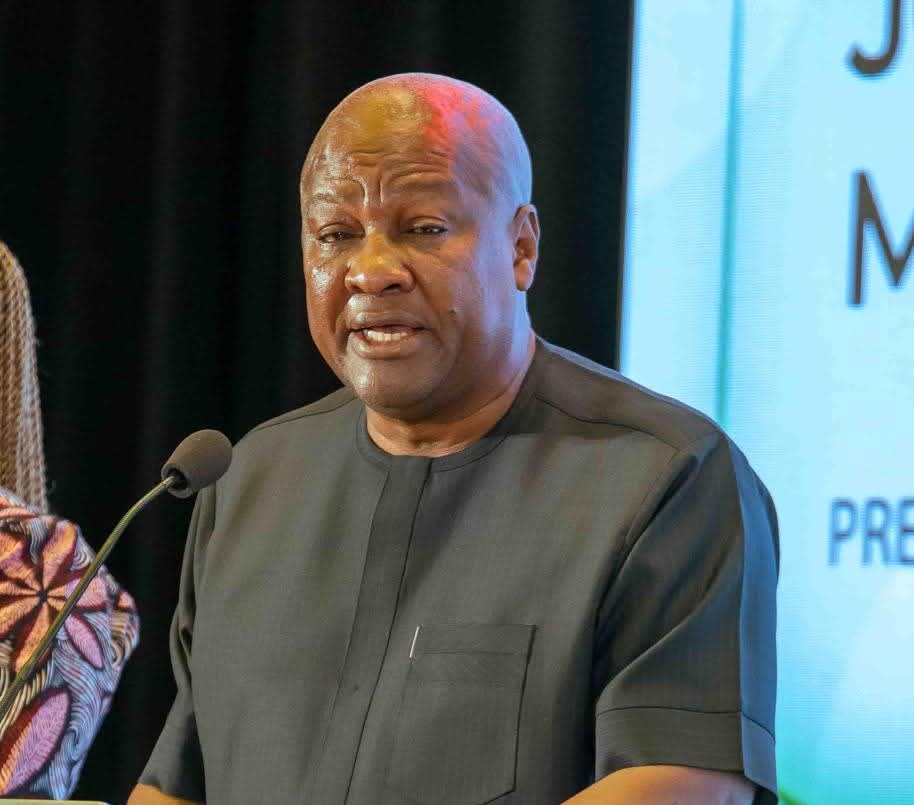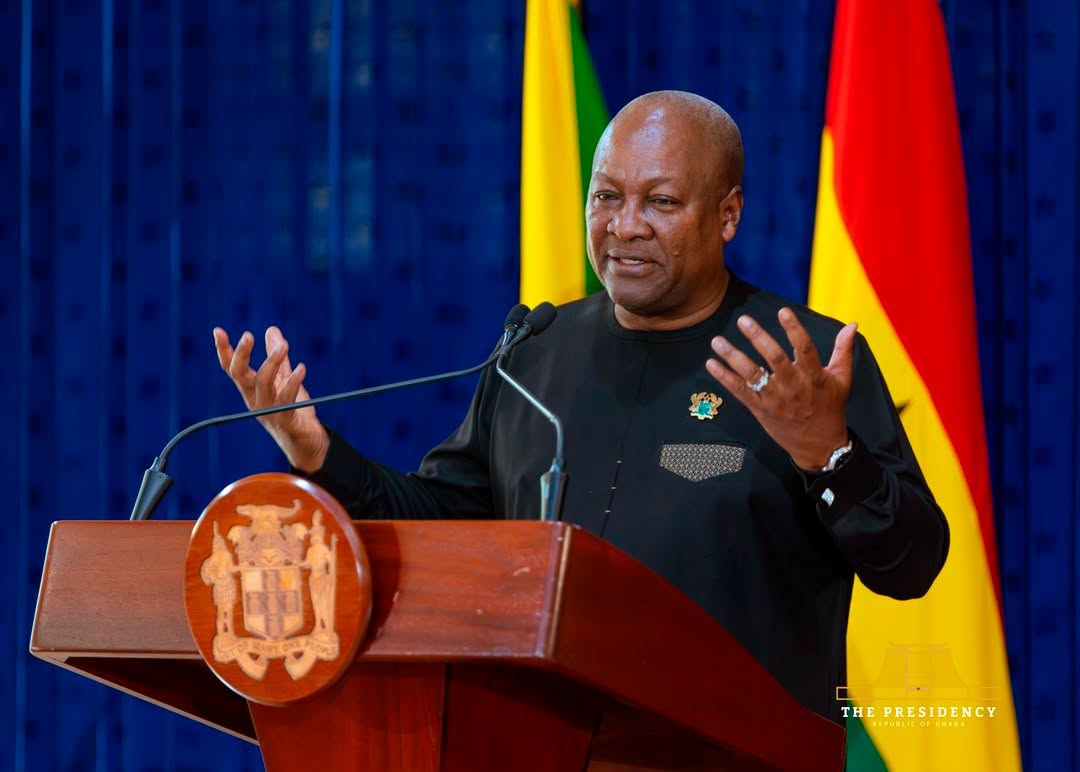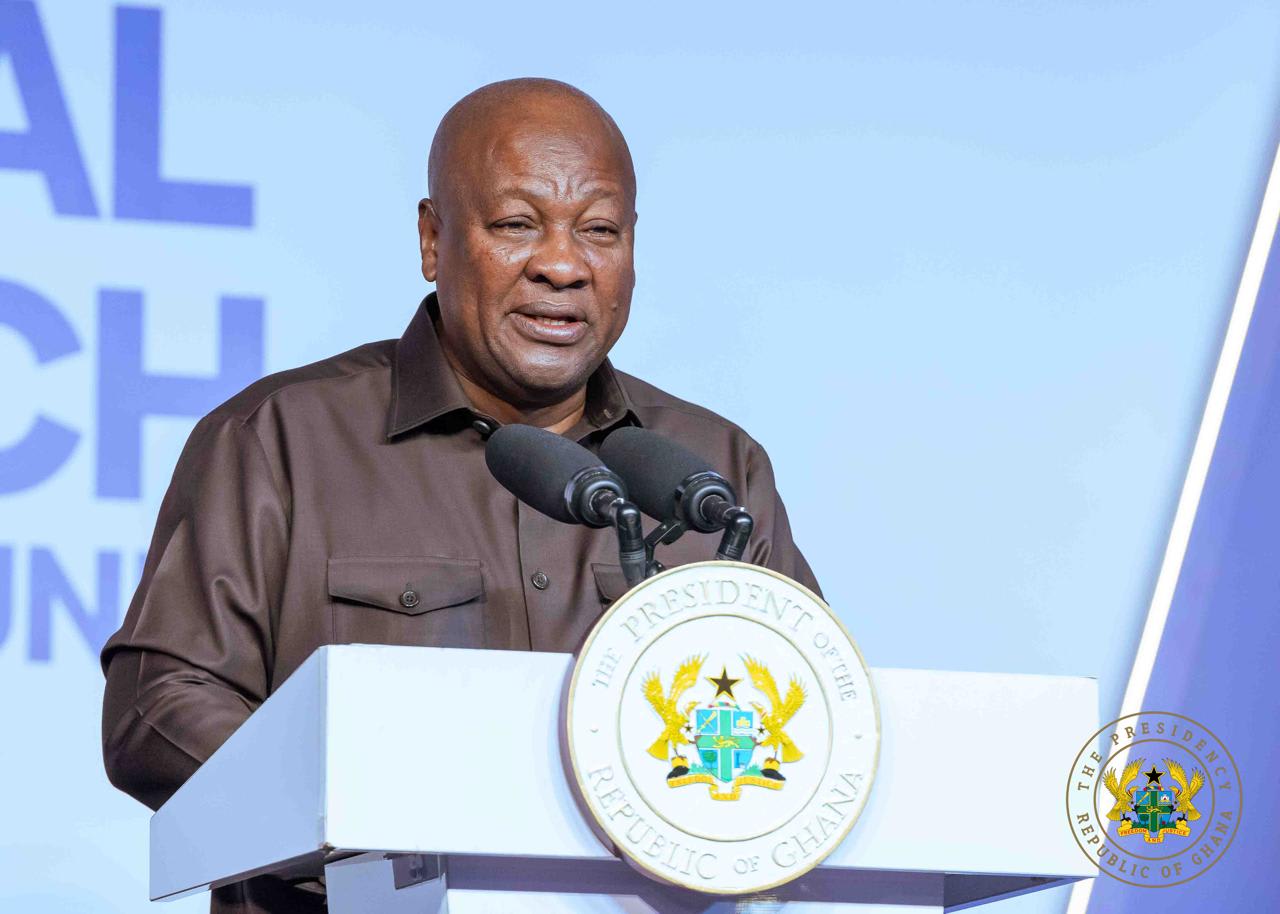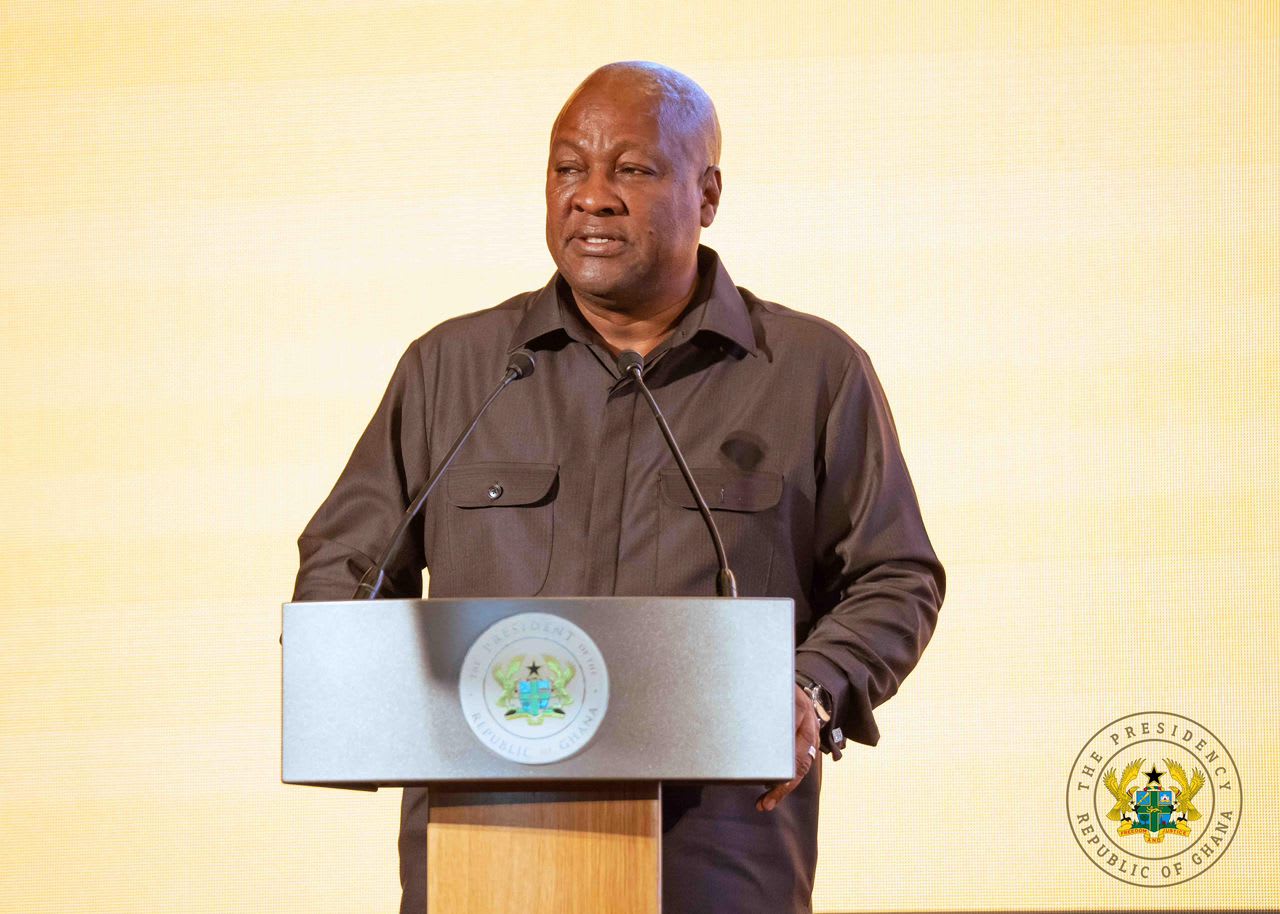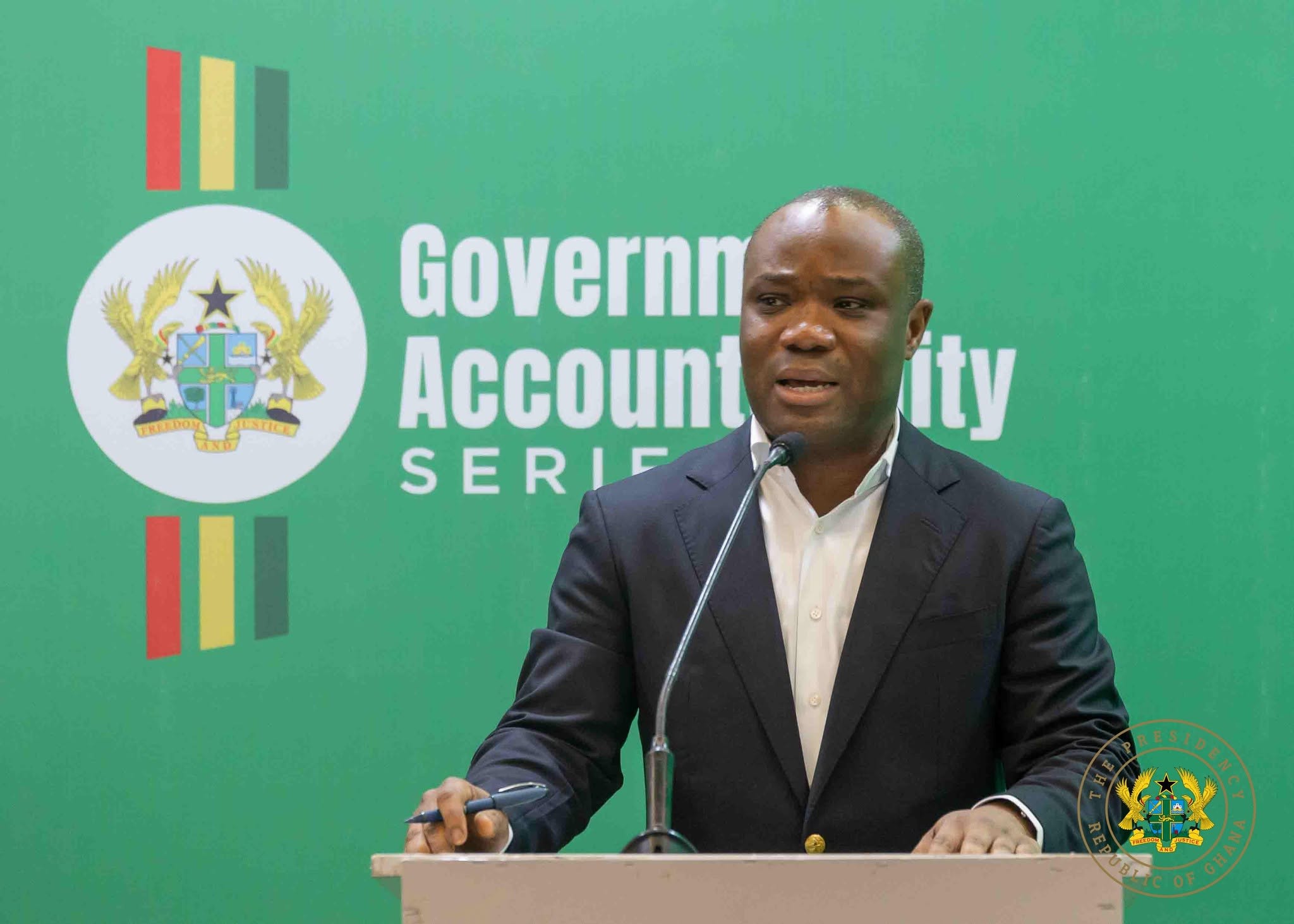
The Minister of Government Communications, Felix Kwakye Ofosu, has defended the government’s procurement practices under the Big Push infrastructure programme, rejecting claims that road contract awards were largely dominated by sole-sourcing.
Speaking during the Government Accountability Series in Accra on Monday, June 15, Mr Kwakye Ofosu maintained that the overwhelming majority of road contracts awarded by the Ministry of Roads and Highways were secured through competitive tendering processes.
His remarks come in response to a report by the Media Foundation for West Africa (MFWA), through its investigative journalism platform, The Fourth Estate, which raised concerns about transparency in the award of contracts under the flagship infrastructure initiative.
Government Challenges Findings
The Fourth Estate report analysed 107 Big Push contracts awarded between August 2025 and February 2026 and concluded that 81 contracts, representing approximately 76 percent, were awarded through sole-sourcing.
However, Mr Kwakye Ofosu argued that the report focused on only a segment of the ministry’s procurement activities and did not reflect the broader picture.
According to him, the Ministry of Roads and Highways awarded a total of 1,441 contracts during 2025 and 2026, with 1,301 of those projects procured through open competitive tendering.
“1,301 out of 1,441 contracts, representing 90.28 per cent of road contracts under this government, were awarded through the open competitive tendering process,” he stated.
He added that the figures demonstrate that competitive bidding remains the dominant procurement method within the sector.
Big Push Contracts Under Scrutiny
Addressing concerns surrounding the Big Push programme specifically, the minister disclosed that only 66 out of 140 projects under the initiative were awarded through single-sourcing.
According to him, this represents 47.14 percent of Big Push contracts and only 4.58 percent of the total road contracts awarded during the period under review.
“Only 4.58 per cent of the total 1,441 road contracts awarded by the Ministry of Roads and Highways in 2025 and 2026 were awarded through the single-sourcing process,” he said.
Mr Kwakye Ofosu further explained that a number of projects were procured through restricted tendering, while 23 contracts had been inherited from the previous administration after already being awarded through sole-sourcing arrangements.
Procurement Approvals and Infrastructure Delivery
The minister stressed that all instances of single-sourcing and restricted tendering received approval from the Public Procurement Authority (PPA) Board before implementation.
He noted that the Ghana Highway Authority obtained approval for 72 Big Push projects, including 51 procured through single-sourcing and 21 through restricted tendering. The Department of Urban Roads secured approval for 16 projects, while the Department of Feeder Roads received approval for 29 projects under similar procurement arrangements.
Mr Kwakye Ofosu argued that the procurement decisions were guided by the urgent objectives of the Big Push programme, which was designed to accelerate infrastructure development, create jobs and stimulate economic growth.
“The evidence clearly shows that single-sourcing was not the primary mechanism for Ministry of Roads and Highways contracts,” he said, adding that claims portraying the ministry as a “sole-source factory” could not be supported by the available data.
He maintained that where sole-sourcing was used, it was driven by the need to fast-track critical infrastructure projects and address pressing national development priorities.
The debate over procurement methods under the Big Push programme is expected to continue as government and civil society groups push for greater transparency, accountability and efficiency in public infrastructure spending.
READ ALSO: NPA Sets New Ex-Pump Price Floors for Second Pricing Window of June