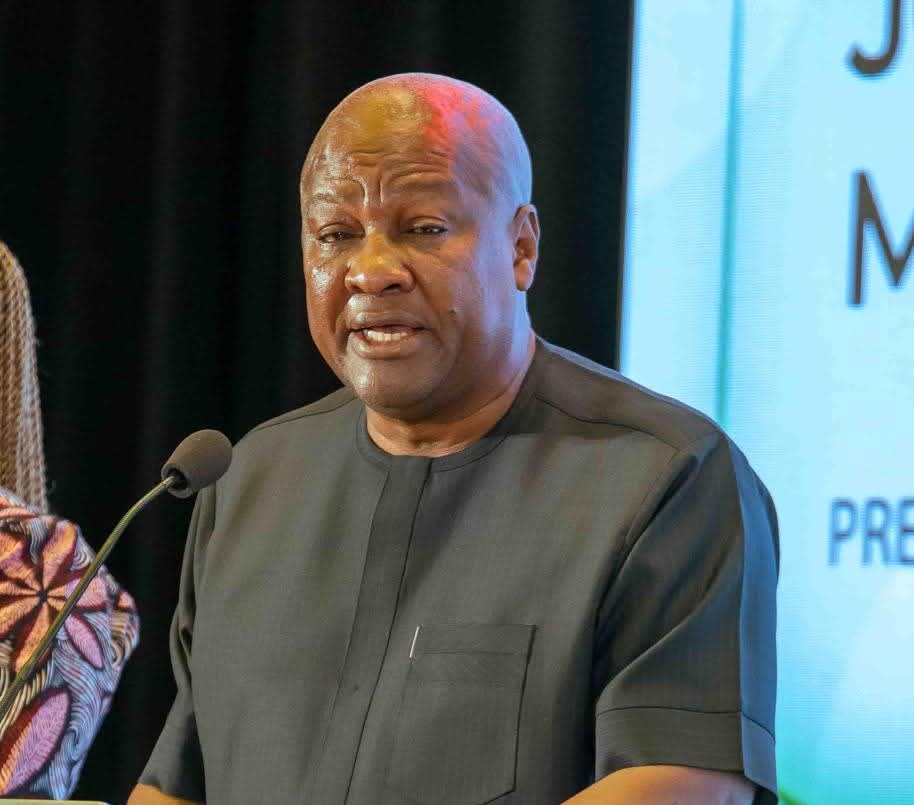
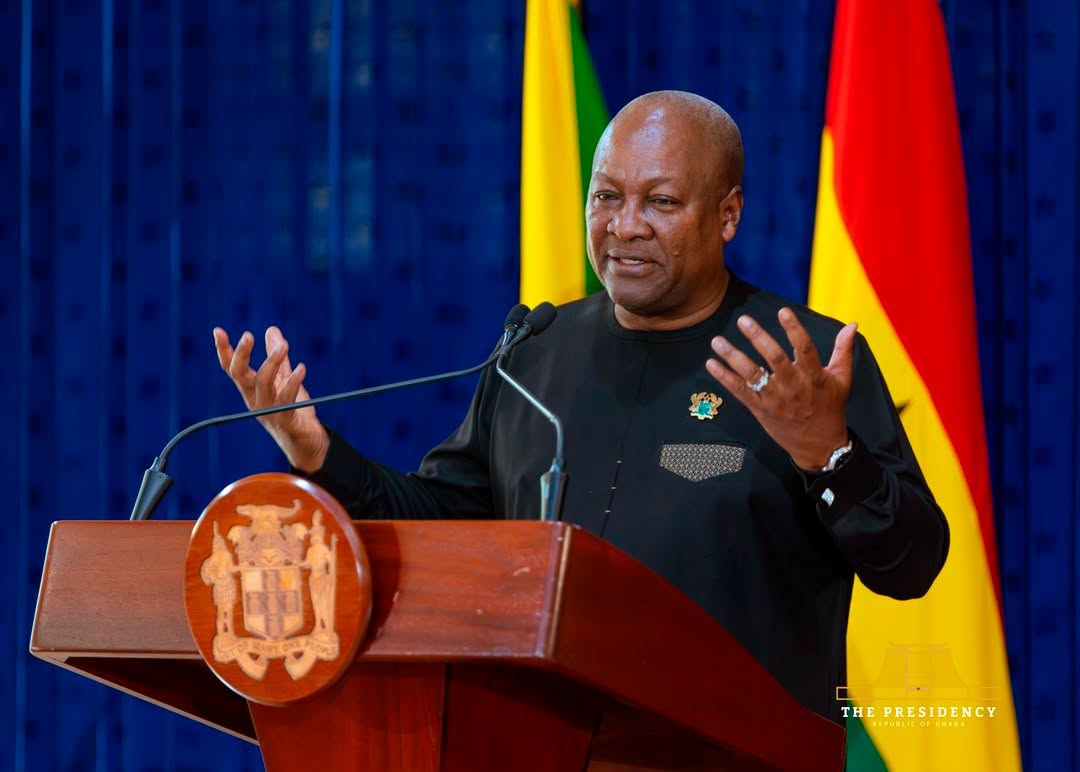
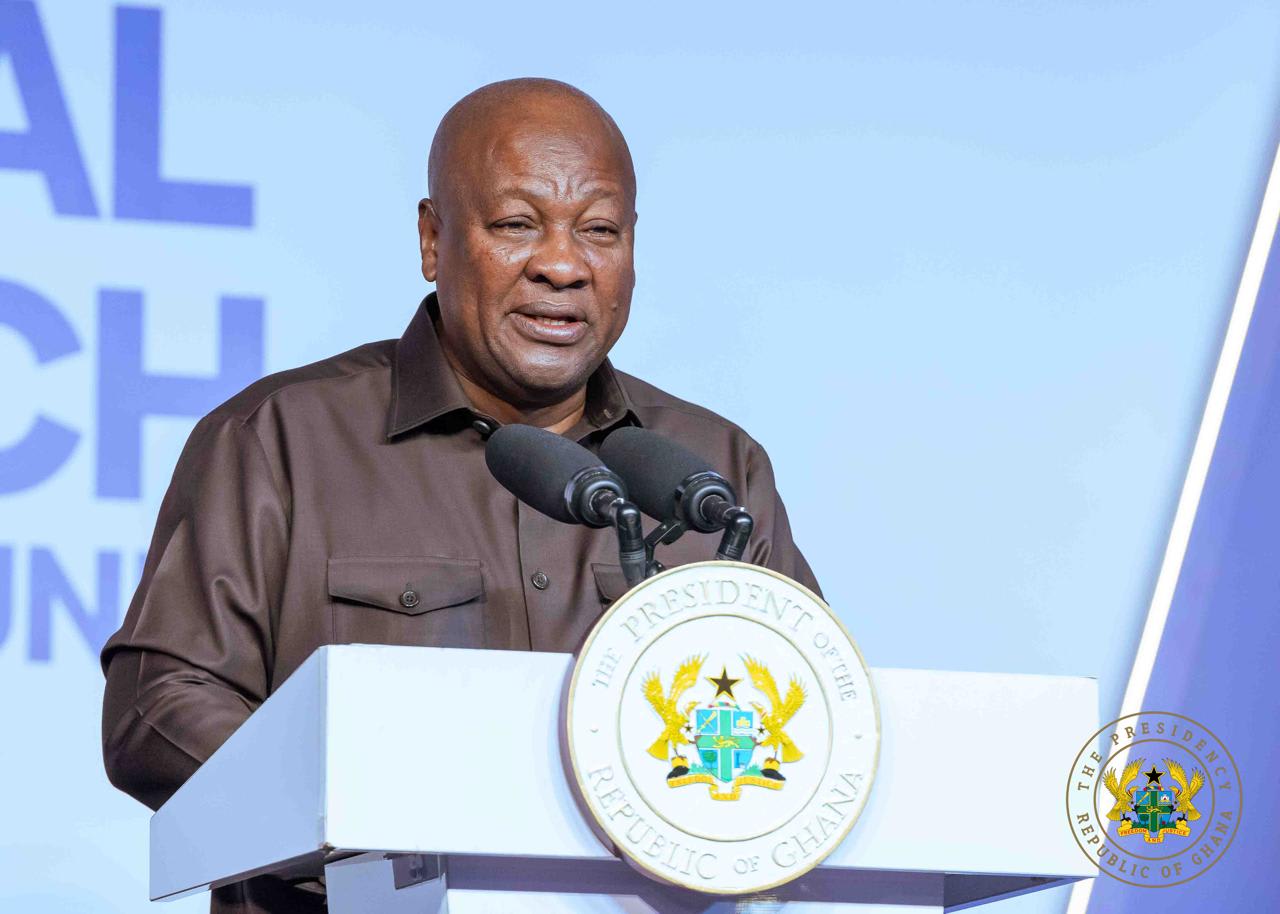
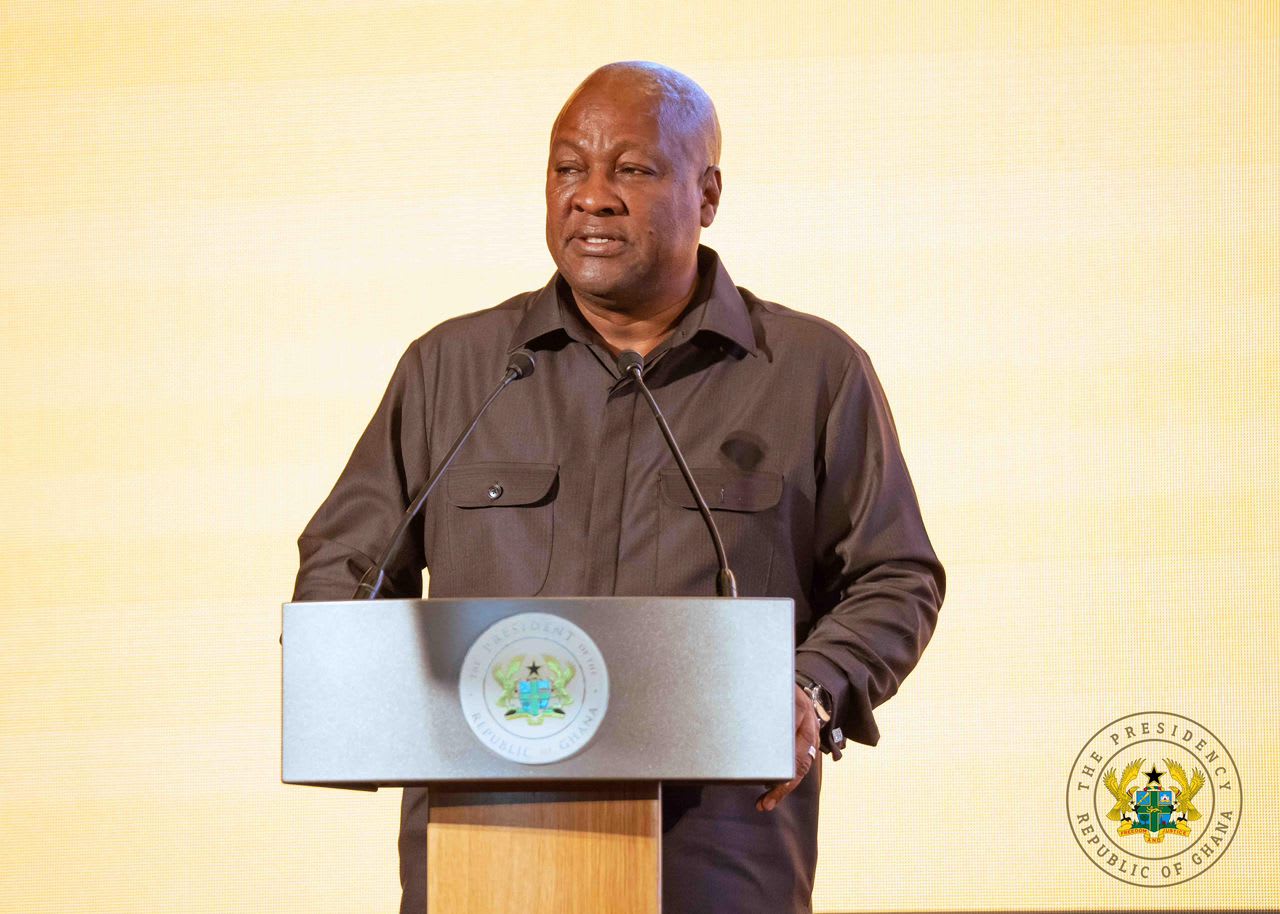
Presidents John Dramani Mahama of Ghana and Alassane Ouattara of Côte d’Ivoire have reaffirmed their commitment to building a more sustainable and profitable cocoa industry, placing farmers at the centre of efforts to reform the sector and improve value distribution across the global cocoa supply chain.
The renewed commitment was contained in a joint declaration issued after the Côte d’Ivoire-Ghana High-Level Summit on the Future of the Cocoa Economy held in Abidjan on June 16, 2026.
The two leaders pledged to deepen cooperation between the world’s two largest cocoa-producing nations, which together account for approximately 60 percent of global cocoa production, in a move aimed at strengthening farmer incomes, stabilising markets and increasing Africa’s share of value generated from cocoa.
Leaders Highlight Progress in Cocoa Cooperation
The summit reviewed achievements made under the strategic partnership between Ghana and Côte d’Ivoire since the signing of the Abidjan Declaration in March 2018.
Among the key milestones highlighted were the establishment of the Côte d’Ivoire-Ghana Cocoa Initiative (CIGCI), the introduction of the Living Income Differential (LID), the harmonisation of producer price announcements and improvements in cocoa traceability systems.
The two countries also commended ongoing cooperation between research institutions in tackling Cocoa Swollen Shoot Virus Disease (CSSVD), one of the major threats facing cocoa production in West Africa.
The declaration noted that these collaborative efforts have strengthened the position of both countries within the global cocoa market while helping to protect the livelihoods of millions of cocoa farmers.
Addressing Growing Industry Challenges
Despite the progress achieved, the two leaders acknowledged that significant challenges continue to threaten the sustainability of the cocoa sector.
They cited price volatility on international markets, climate change impacts, illegal mining activities, the growing use of cocoa substitutes and increasingly stringent international sustainability requirements as major concerns requiring coordinated action.
The declaration also pointed to the imbalance within the global cocoa value chain, noting that although Africa produces around 80 percent of the world’s cocoa, it captures only a small share of the profits generated from chocolate and other finished products.
According to the two presidents, ensuring fair compensation for farmers remains critical to maintaining economic stability and securing the future of the industry.
As part of the renewed partnership, Ghana and Côte d’Ivoire agreed to harmonise farm-gate pricing policies to improve producer earnings and strengthen market coordination.
The countries also committed to aligning cocoa marketing strategies, synchronising crop-season calendars and enhancing commercial cooperation to improve bargaining power in international markets.
The declaration stressed that producers must remain at the heart of the cocoa value chain and be guaranteed “fair and decent remuneration” for their efforts.
Expanding Value Addition Across Africa
Beyond pricing reforms, the two governments pledged to increase cocoa processing capacity, encourage regional trade and promote greater consumption of cocoa-based products across Africa.
The leaders also agreed to strengthen scientific collaboration, particularly in managing cocoa diseases such as Swollen Shoot, which continues to affect production in both countries.
In a significant development, Ghana and Côte d’Ivoire announced plans to expand the Côte d’Ivoire-Ghana Cocoa Initiative to other African cocoa-producing countries.
The move is expected to create a stronger regional bloc capable of harmonising policies, addressing shared challenges and enhancing Africa’s influence within the global cocoa economy.
The joint declaration signals a renewed determination by the two cocoa-producing giants to transform the sector into one that delivers greater prosperity for farmers while securing the long-term sustainability of one of Africa’s most important export industries.
READ ALSO: Good News for Drivers: Major OMCs Reduce Fuel Prices Nationwide