Ghana is financing the proposed US$4 billion Accra–Kumasi Expressway without taking on new debt, in a bold attempt to channel petroleum revenues and mineral royalties into transformational infrastructure instead of recurrent government expenditure.
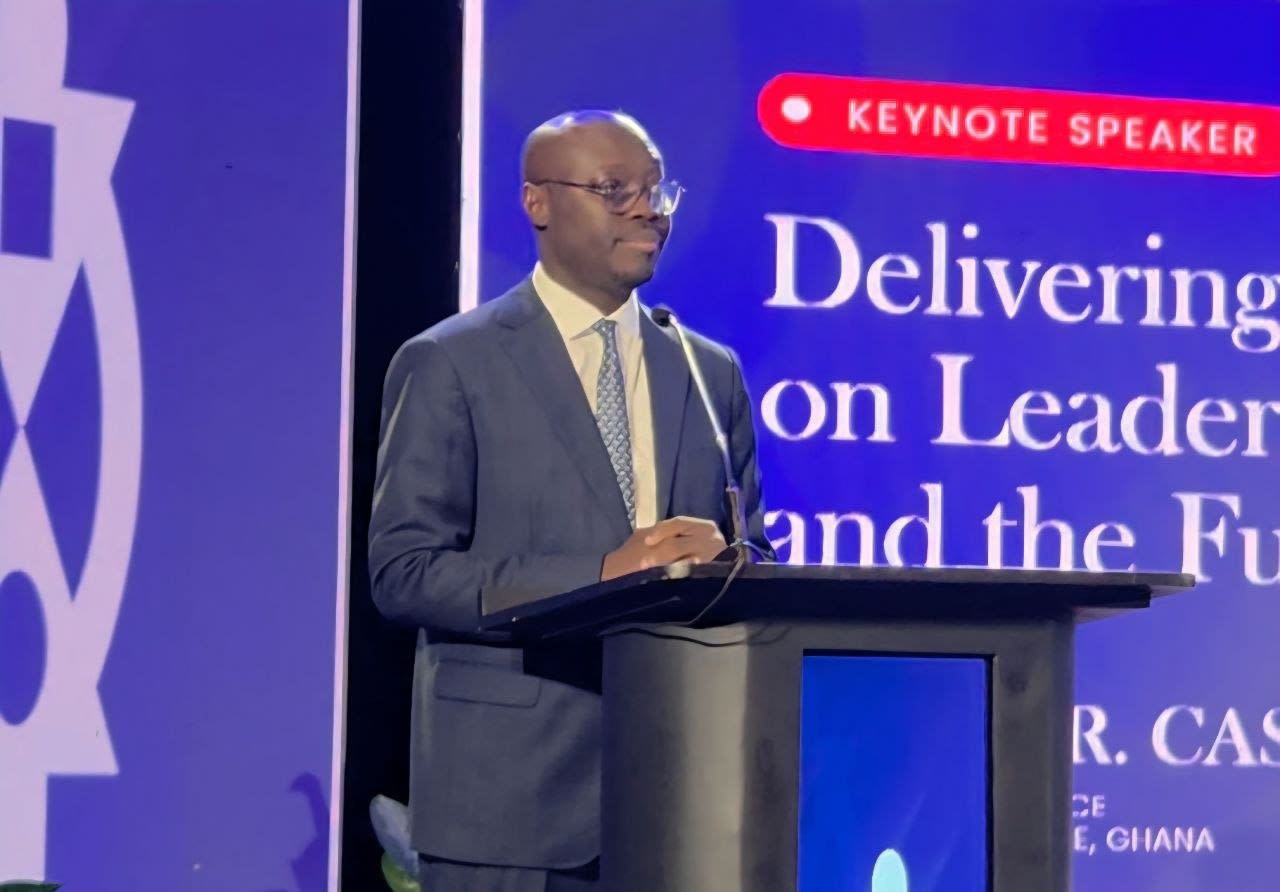
Finance Minister Cassiel Ato Forson announced the plan during the Ishmael Yamson & Associates Business Roundtable on Thursday, describing the project as a major shift in Ghana’s infrastructure financing strategy amid ongoing fiscal consolidation efforts.
“Granted, the Accra–Kumasi Expressway is going to cost us US$4 billion. We’ll fund it without borrowing,” Dr Forson said.
The announcement comes as Ghana continues to operate under strict fiscal discipline following its debt restructuring programme and ongoing engagement with the International Monetary Fund, limiting the country’s ability to undertake large-scale borrowing for capital projects.
Oil and mineral revenues targeted for infrastructure
According to the Finance Minister, the government intends to utilise accumulated petroleum revenues and mineral royalties between 2025 and 2027 to finance the flagship road project.
Dr Forson disclosed that Ghana generated approximately US$500 million in petroleum revenue in 2025 and realised an additional US$500 million from mineral royalties, supported largely by elevated global gold prices.
The combined US$1 billion, he explained, is being earmarked for the expressway project, while projections indicate that petroleum and mineral revenues could rise to about US$2.5 billion by the end of 2026.
He further revealed that mineral royalties previously invested through the Minerals Income Investment Fund into treasury bills are now being redirected toward infrastructure financing.
The move reflects a broader policy shift by government to concentrate extractive sector revenues on fewer but high-impact national projects under the administration’s “Big Push” infrastructure agenda.
“We’ve said that use Ghana’s oil revenue only for infrastructure use,” Dr Forson stated, criticising previous practices where petroleum revenues were used to finance recurrent expenditure such as travel and conferences.
Flagship project for economic transformation
The proposed Accra–Kumasi Expressway is expected to become one of Ghana’s largest road infrastructure projects, linking the national capital with Kumasi, the commercial and industrial hub of the middle belt.
Government believes the project could significantly reduce travel time, improve trade and logistics, lower transportation costs and strengthen economic integration along one of the country’s busiest corridors.
The project is also emerging as a key test of whether Ghana can convert resource revenues into visible national assets after years of criticism over the limited developmental impact of oil proceeds since commercial production began.
“After 2027, we’ll target another project. And gradually, we’ll build the country going into the future,” the Finance Minister added.
Transparency and execution concerns emerge
Despite the optimism surrounding the financing model, analysts say the plan raises important questions about revenue sustainability, transparency and project execution.
The Public Interest and Accountability Committee has already called for greater clarity on the earmarking of petroleum revenues for the expressway, stressing that any special account established for the project must comply fully with existing laws governing petroleum revenue management.
Observers note that while avoiding fresh borrowing may reassure investors and international lenders, government must demonstrate that projected oil and mineral revenues are realistic, legally protected and insulated from political spending pressures.
The project also carries significant implementation risks. Funding a US$4 billion highway from annual petroleum and mineral inflows will require careful contract management, disciplined procurement processes and transparent reporting systems.
Any decline in oil production, fall in global gold prices or delays in royalty mobilisation could potentially slow implementation timelines.
Still, the government insists the project represents a new direction for Ghana’s infrastructure financing strategy, one focused on using natural resource wealth to build long-term productive assets rather than increasing the country’s debt burden.
For many observers, the success of the Accra–Kumasi Expressway will ultimately depend not only on whether the road is completed, but also on whether Ghana can maintain the fiscal discipline and accountability needed to sustain the model over time.
READ ALSO: Energy Minister Warns ECG Engineers Against Politicising Work Amid Power Supply Concerns