Ghana's economy is growing at its fastest pace in years, inflation is broadly contained, and the country's external reserves are at levels that provide genuine insulation against shocks.
For the banking sector, the macroeconomic environment has rarely been more supportive. And yet the Bank of Ghana's Governor is urging banks not to let improving conditions become an excuse for weaker risk management.
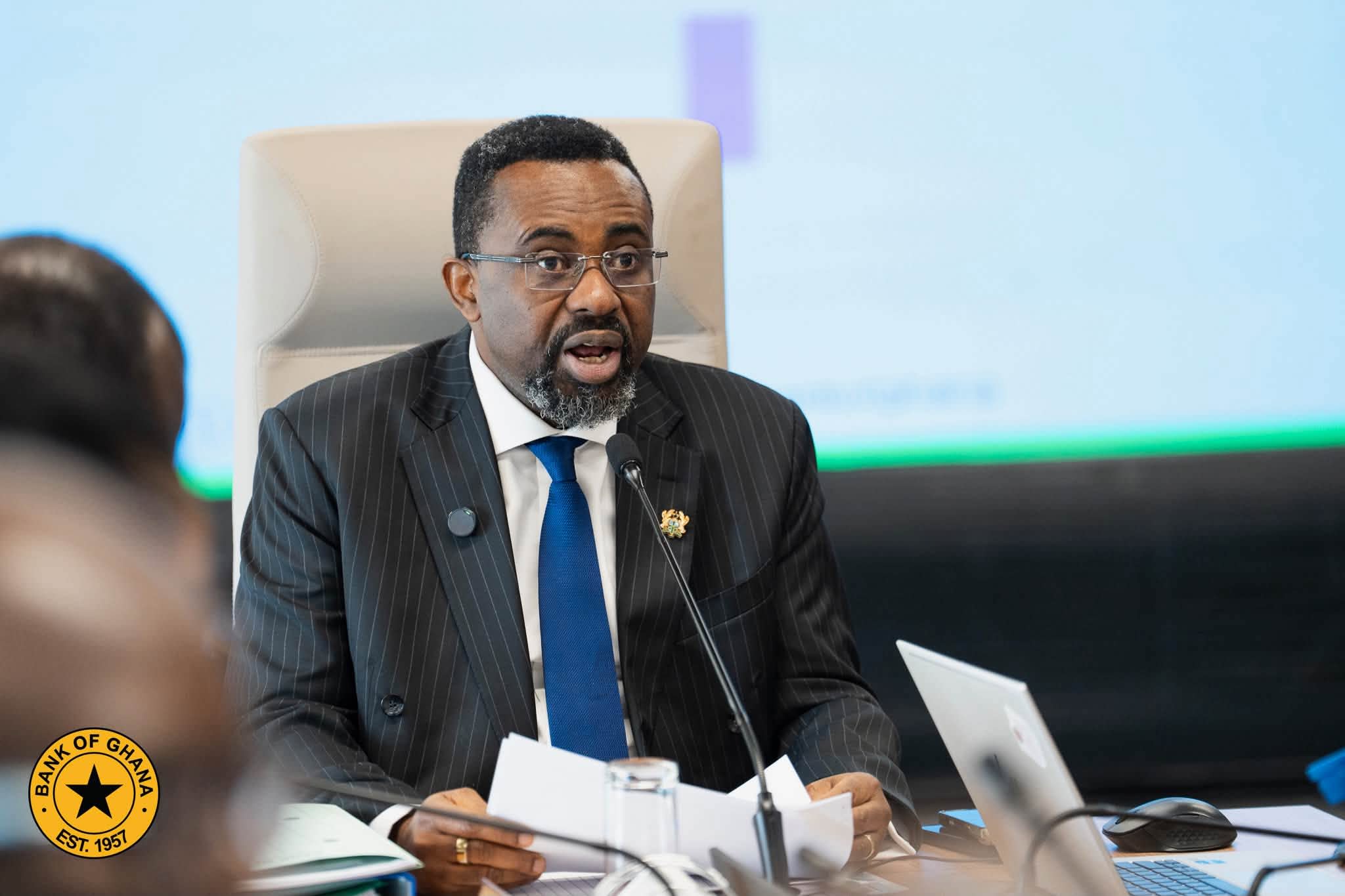
Bank of Ghana Governor Dr Johnson Asiama delivered a striking set of macroeconomic data points to bank chief executives, anchored by a standout figure from the Composite Index of Economic Activity.
The index, a broad-based gauge of real sector performance, expanded by 12.6% in March 2026, compared with just 2.3% in the corresponding period the previous year.
The acceleration represents a more than fivefold increase in the pace of economic activity year-on-year, reflecting the depth of the recovery now taking hold across the Ghanaian economy.
"The domestic economy continues to demonstrate remarkable resilience. The Composite Index of Economic Activity expanded by 12.6 percent in March 2026 compared with 2.3 percent in the corresponding period last year," Dr Asiama said, attributing the performance to robust growth in private sector credit, industrial activity, consumption, and trade.
Inflation Remains Subdued Despite Gradual Uptick
On inflation, the Governor offered a nuanced reading of recent data. Headline inflation has edged upward, moving from 3.2% in March to 3.4% in April and further to 3.7% in May 2026.
However, Dr Asiama emphasised that core inflation, which strips out volatile food and energy components, continued to decline over the same period, indicating that the underlying inflationary momentum in the economy remains well-contained.
"It is important to note that core inflation continued to decline, confirming that underlying inflationary pressures remain subdued," he explained, a signal that the recent headline uptick reflects specific price movements rather than a broad-based resurgence of inflation across the economy.
Ghana's external position has also improved materially. The current account surplus strengthened to US$3.1 billion in the first quarter of 2026, supported by strong export earnings from gold and cocoa alongside stable remittance inflows.
Gross international reserves rose to US$14.4 billion, providing import cover of 5.7 months, a level that gives the country meaningful capacity to withstand external shocks and supports cedi stability.
"Gross international reserves increased to $14.4 billion, providing import cover of 5.7 months and strengthening buffers against external shocks," Dr Asiama noted.
Governor's Core Message: Don't Waste the Recovery
Woven through all of these positive signals is a consistent and deliberately delivered caution.
Strong economic growth, controlled inflation, and improving bank balance sheets create the conditions for banks to expand lending, but they also create the temptation to relax credit discipline in pursuit of loan growth.
Dr Asiama is signalling clearly that Ghana cannot afford to repeat the lending practices that contributed to NPL ratios peaking above 23% in the first place.
"Banks must continue to strengthen credit underwriting standards. They have to improve recovery processes and must comply fully with regulatory requirements aimed at reducing non-performing loans to tolerable prudential targets," he said. The recovery is real. The risks have not disappeared.
READ ALSO: Kennedy Agyapong Criticises Minority Over Afari Military Hospital Delay