Ghana’s inflation rate increased slightly to 3.7 percent in May 2026, up from 3.4 percent recorded in April, according to the latest Consumer Price Index (CPI) report released by the Ghana Statistical Service.
Despite the marginal rise, inflation remains significantly lower than the 18.4 percent recorded in May 2025, highlighting continued progress in the country’s efforts to achieve macroeconomic stability.
According to Government Statistician Dr. Alhassan Iddrisu, the latest figures mean that “on average, goods and services were 3.7% more expensive in May 2026 than they were a year ago.”
The report revealed notable differences in inflation levels across the country. The North East Region recorded the highest inflation rate at 10.1 percent, while the Savannah Region posted the lowest rate at negative 3.0 percent.
The disparities underscore ongoing challenges in transportation, market access, food distribution, and local supply chains. Analysts say addressing these structural issues could help reduce regional price imbalances and improve market efficiency nationwide.
Food Inflation Remains Key Driver
Food prices continued to exert upward pressure on inflation, with food inflation rising from 2.2 percent in April to 3.3 percent in May.
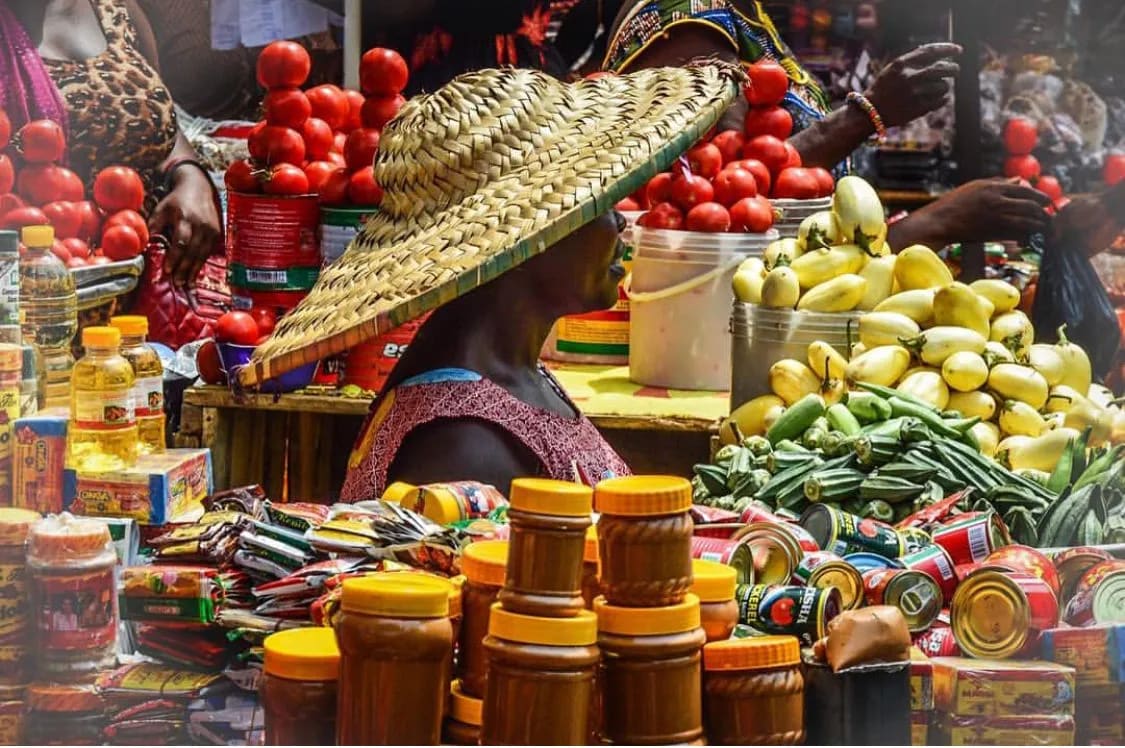
The increase was largely driven by higher prices for fresh tomatoes, green plantain, river fish, ginger, smoked herrings, and cooked rice. However, declines in the prices of maize, garden eggs, fresh okro, cocoyam leaves, fried fish, and beans helped moderate the overall impact on consumers.
The report also showed that prices increased by 1.1 percent between April and May, indicating that households and businesses continued to experience moderate month-on-month cost increases.
Dr. Iddrisu stressed that maintaining low and stable inflation requires collective effort.
He called on government to sustain fiscal discipline and invest in food systems and market infrastructure, while encouraging businesses to improve efficiency and households to manage spending prudently and prioritize savings.
READ ALSO: Bank of Ghana Increases Forex Auctions to $1.2 Billion as Cedi Faces Pressure