Ghana's energy reform programme carries ambitions that stretch well beyond fixing the country's troubled utility finances.
At its core is a vision to transform the power sector from one of the economy's most persistent fiscal pressure points into an engine of industrial growth, regional trade, and green investment attraction.
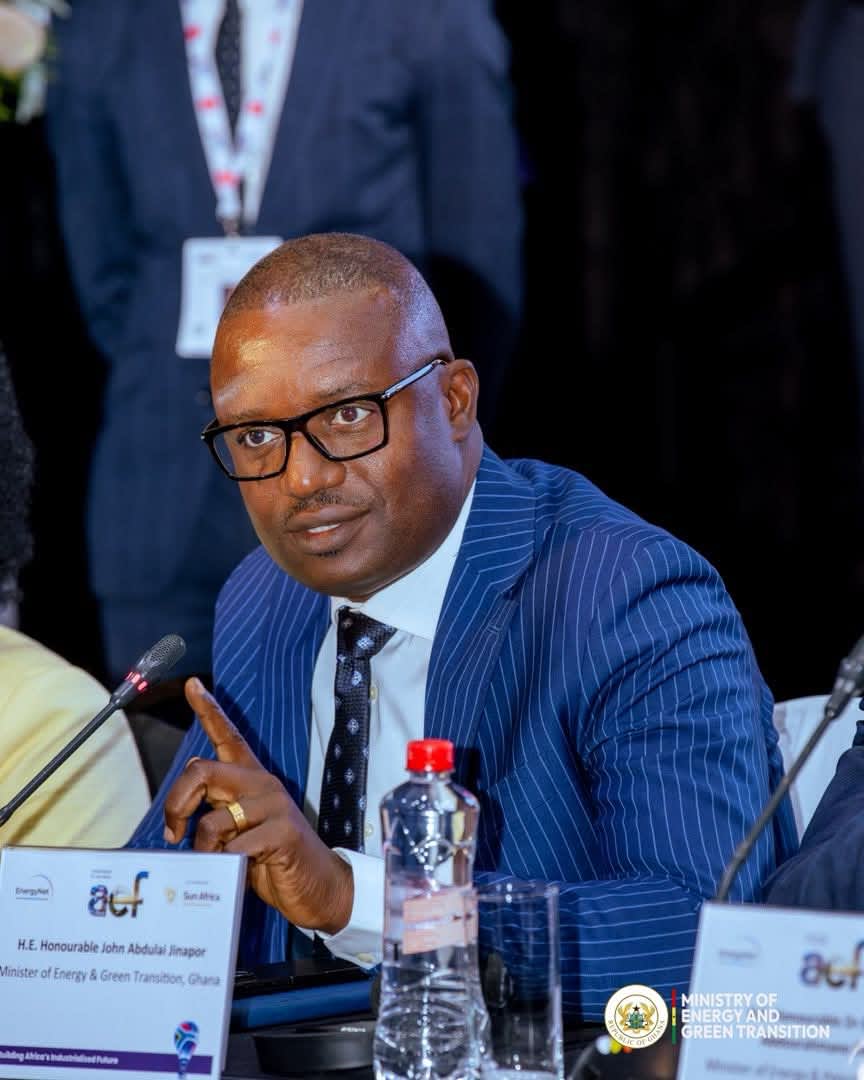
Speaking at the Africa Energy Forum, Energy Minister John Abdulai Jinapor situated Ghana's power sector reforms within the broader economic agenda being pursued under President John Dramani Mahama's Accra Reset agenda.
This programme explicitly aimed at moving Ghana away from dependence on primary resource extraction toward local processing, domestic value addition, and deeper integration into global supply chains.
The logic connecting energy reform to industrial policy is straightforward but often underappreciated. Manufacturing, agro-processing, mineral refining, and export-oriented production all require electricity that is not only available but reliable and competitively priced.
Frequent outages, voltage instability, and high tariffs impose real costs on domestic firms, eroding their competitiveness against regional and global rivals. A stabilised power system is therefore not a sectoral concern, it is a condition for Ghana's broader economic transformation to succeed.
The minister pointed to targeted investments in generation capacity, transmission infrastructure, and clean grid solutions as the physical infrastructure underpinning this ambition.
These investments are expected to stabilise power delivery to industrial enclaves and create the conditions for downstream processing in sectors such as gold, bauxite, and agriculture, where Ghana has historically exported raw materials rather than value-added products.
Turning Surplus Into a Regional Asset
Beyond domestic industrialisation, the minister pointed to Ghana's ambition to become a meaningful participant in regional electricity trade under the West African Power Pool.
Investments in transmission architecture and utility-scale solar are expected to support Ghana's capacity to trade power with neighbouring countries, monetising surplus generation capacity, earning foreign exchange, and strengthening the country's strategic role in West Africa's energy market.
The idea represents a fundamental reframing of how Ghana thinks about its generation capacity. In the past, excess generation has been a source of fiscal strain, tied to costly take-or-pay obligations with independent power producers.
If that surplus can be sold regionally through improved cross-border transmission and reliable commercial arrangements, it becomes a revenue-generating asset rather than a budget liability.
However, the minister's forum presentation also carries an implicit acknowledgement of the challenges ahead. Ghana's energy sector has accumulated a long history of reform commitments that lost momentum amid political cycles, tariff pressures, institutional fragmentation, and weak collection discipline.
International financiers will require more than improved payment data, they will demand transparency on arrears, collection rates, sector debt levels, and the government's sustained payment discipline before committing long-term capital.
The current reforms are showing early promise. The durability of that promise is what Ghana must now demonstrate.
READ ALSO: Ghana's Bond Market Turnover Surges to GH¢7.16 billion