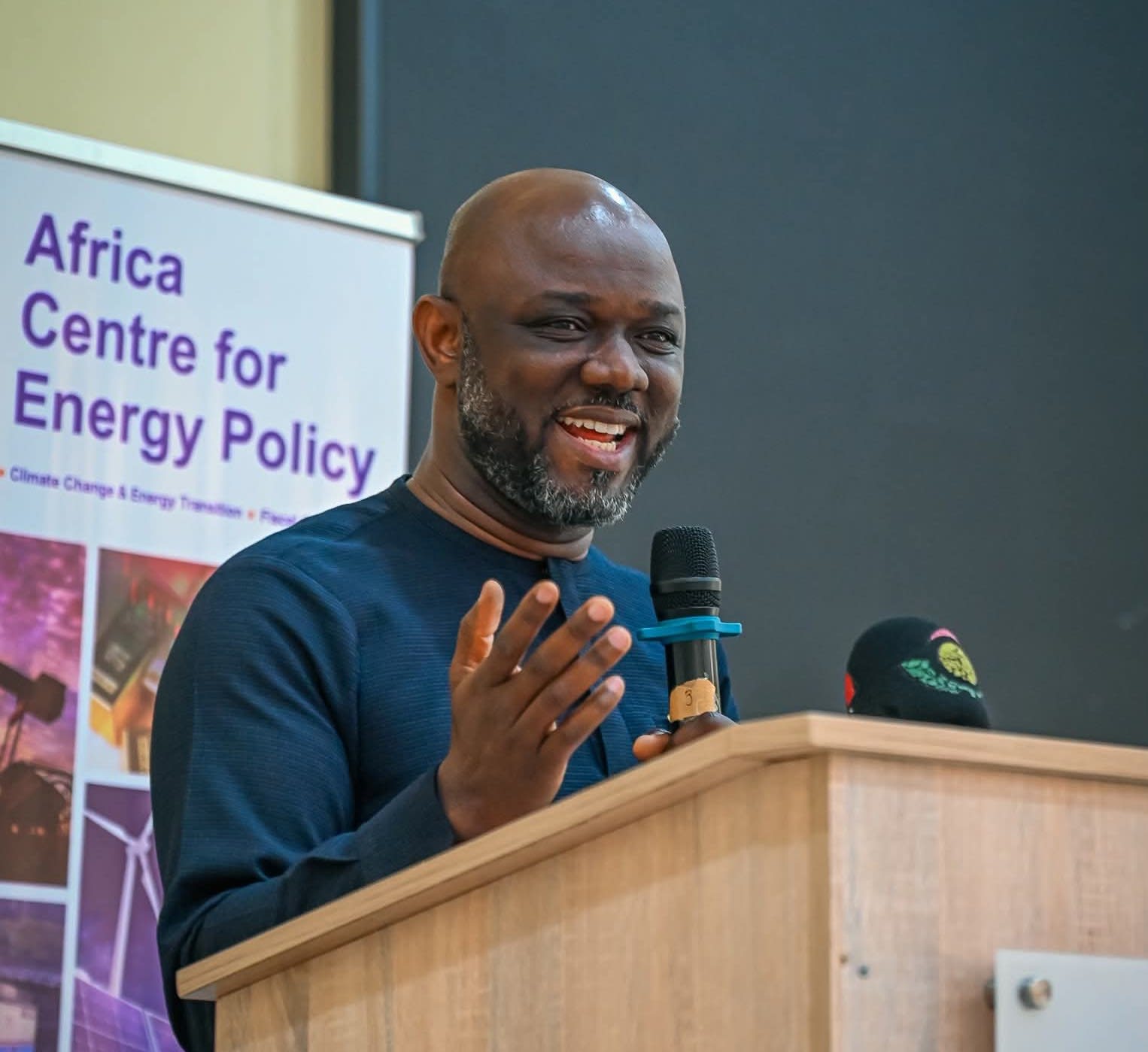
Ghana’s push toward clean energy presents a unique opportunity to transform the economy through the localisation of the solar photovoltaic (PV) industry, according to discussions held during the Climate Action Dialogue organised by the Africa Centre for Energy Policy (ACEP).
The dialogue highlighted the need for policymakers and industry stakeholders to view solar PV development not only as a solution to the country’s energy needs but also as a catalyst for industrialisation, job creation and enterprise development.
Participants noted that the solar PV value chain extends well beyond the manufacturing of solar panels and cells. The sector also includes activities such as mounting structure production, installation services, maintenance, logistics and other support functions that can generate significant economic opportunities for local businesses.
According to the dialogue, strengthening these linkages could help stimulate domestic manufacturing, increase local participation in the renewable energy sector and create sustainable employment opportunities across multiple industries.
The discussions emphasised that a broader approach to solar PV development would allow Ghana to maximise the economic benefits of its clean energy transition while reducing dependence on imported products and services.
Access to Finance Remains Critical
A major theme that emerged from the dialogue was the importance of financing in supporting local industry growth.
Stakeholders observed that access to affordable and patient capital remains one of the biggest barriers facing local firms seeking to expand operations, adopt new technologies and improve technical expertise.
Without adequate financing, many businesses may struggle to compete effectively within the rapidly growing solar market despite increasing demand for renewable energy solutions.
The dialogue stressed that targeted financial support mechanisms will be essential to unlocking investment opportunities and accelerating the growth of local enterprises within the sector.
The role of Small and Medium-Sized Enterprises (SMEs) featured prominently in discussions on localisation.
Participants described SMEs as critical actors in installation, maintenance, distribution and related services within the solar PV ecosystem. Their involvement contributes significantly to job creation, skills development, innovation and local value addition.
As a result, stakeholders called for policies that deliberately address financing constraints and operational challenges faced by SMEs to ensure they can fully participate in the clean energy transition.
Call for Coordinated Action
The Climate Action Dialogue concluded with a call for coordinated policy, regulatory, financial and institutional interventions to support the development of a competitive local solar PV industry.
According to ACEP, ensuring that Ghana’s renewable energy ambitions are aligned with industrial development goals will be critical to delivering broad-based economic benefits while advancing the country’s transition to a cleaner and more sustainable energy future.
READ ALSO: Urban Development Fueling Accra Flooding, Roads Engineer Warns