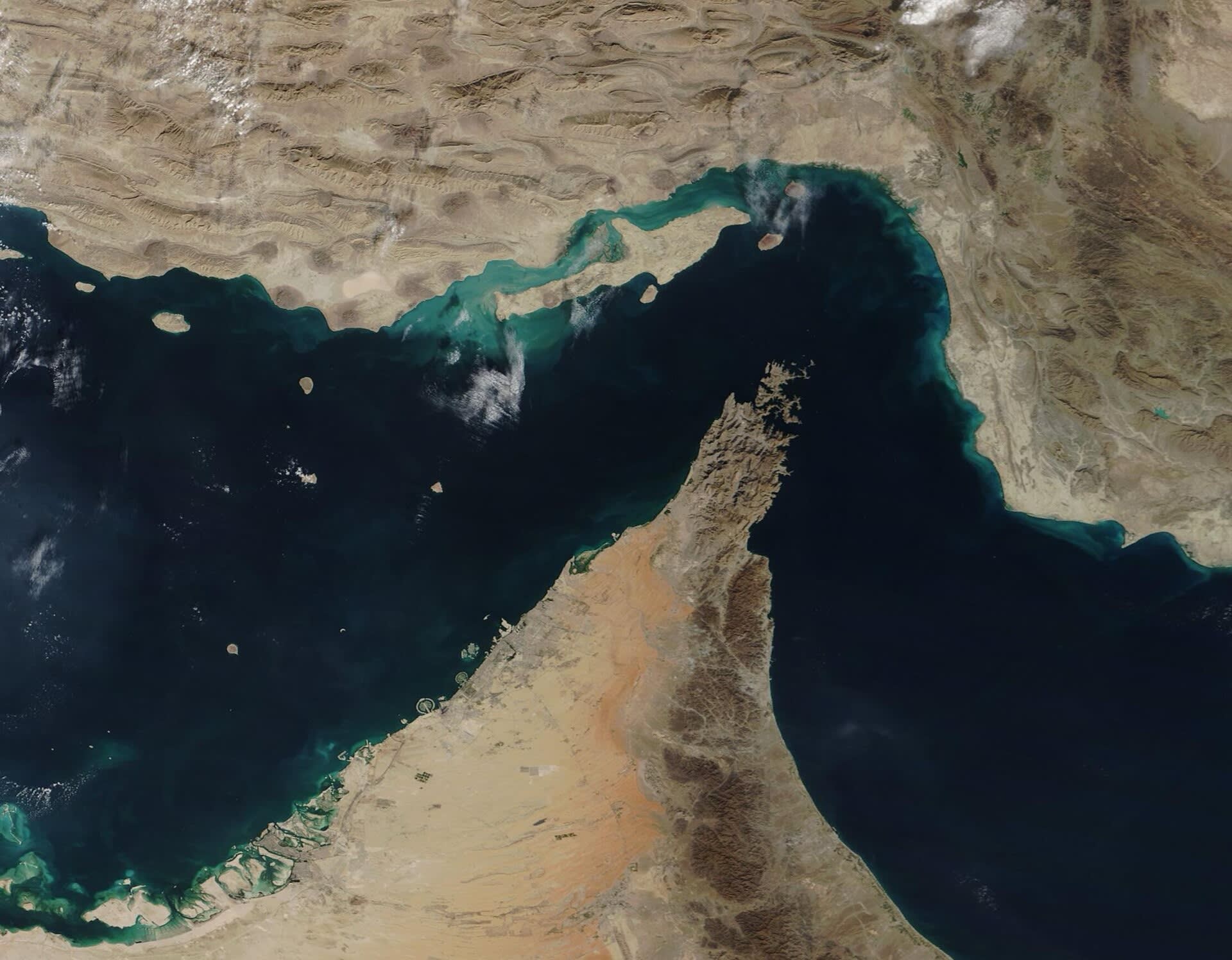
The International Energy Agency (IEA) says the ongoing Middle East war has triggered the largest oil supply disruption in the history of the global market, with crude flows through the Strait of Hormuz collapsing dramatically.
According to the agency’s latest Oil Market Report, shipments of around 20 million barrels per day of crude oil and petroleum products that normally pass through the strategic waterway have fallen to a trickle as the conflict escalates.
With limited alternative export routes available and storage facilities quickly filling up, major Gulf producers have already begun cutting output. The IEA estimates that oil production in the region has been reduced by at least 10 million barrels per day.
“In the absence of a rapid resumption of shipping flows, supply losses are set to increase,” the agency warned.
Emergency oil reserves released.
In response to the disruption, the IEA announced the largest coordinated release of emergency oil reserves in its history, with 400 million barrels set to be released from strategic stockpiles held by member countries.
The move represents only the sixth time the agency has coordinated such a release since its creation in the 1970s following the Arab oil embargo.
Just a week earlier, IEA Executive Director Fatih Birol had suggested the market was well supplied, noting that “there is plenty of oil” and describing the market as having “a huge surplus.”
However, the rapid escalation of the conflict has dramatically altered the supply outlook.
The oil supply forecast is sharply lower.
The agency now expects global oil supply to fall by about 8 million barrels per day in March, as production cuts in the Middle East ripple across global energy markets.
Some of the shortfall could be offset by higher output from non-OPEC+ producers, including Kazakhstan and Russia, but the IEA cautioned that emergency reserves alone cannot fully compensate for prolonged disruptions.
“The coordinated emergency stock release provides a significant and welcome buffer,” the agency said, but warned it “remains a stop-gap measure” if the conflict continues.
Global market risks are rising.
According to the IEA, the ultimate impact on oil markets and the wider global economy will largely depend on how long shipping through the Strait of Hormuz remains disrupted.
The agency noted that both the intensity of military operations and potential damage to energy infrastructure will determine the scale of the crisis.
If the blockage persists, analysts warn that the disruption could reshape global energy markets and trigger prolonged volatility in oil prices.
READ ALSO: Damang Mine Transition: E&P Emerges as Likely Successor Operator