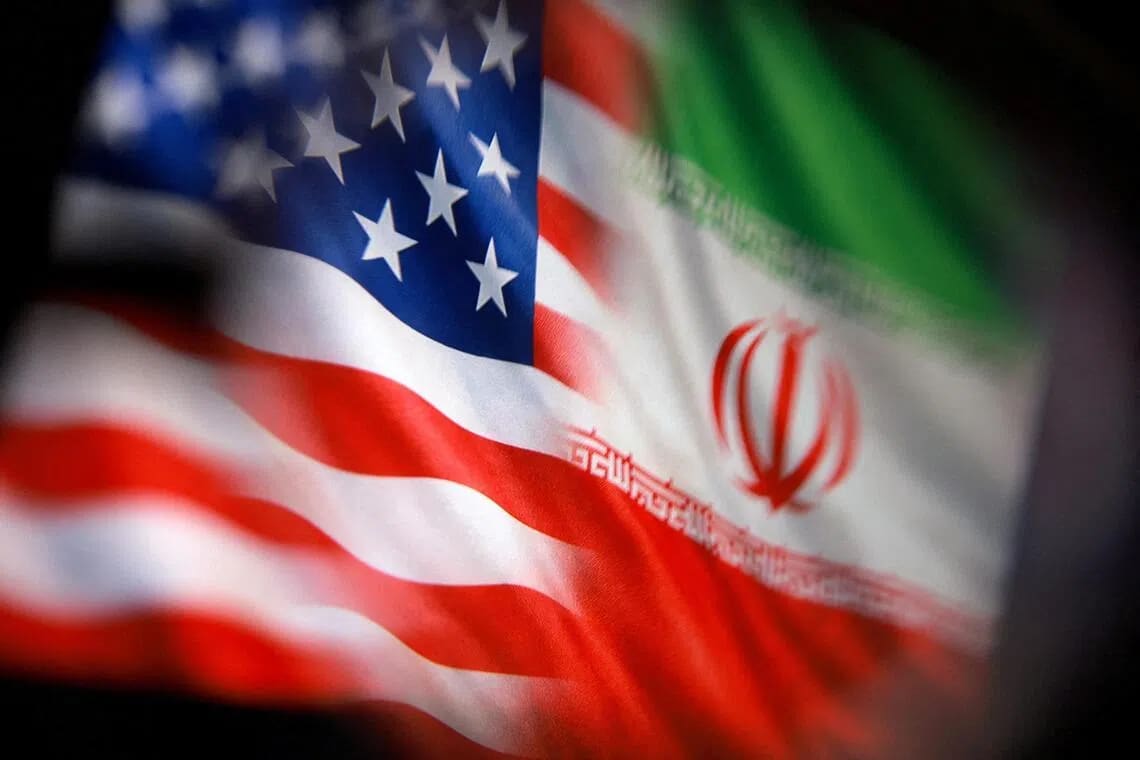
A proposed US-Iran Memorandum of Understanding is set to pave the way for renewed diplomatic engagement between Washington and Tehran, with both sides agreeing on a framework that addresses maritime security, sanctions relief, financial cooperation and Iran’s nuclear programme.
According to a senior Iranian official who spoke to Reuters, the draft agreement lays out a series of commitments designed to reduce tensions and create conditions for a broader long-term deal within the next 60 days.
Strait of Hormuz Reopening at Centre of Deal
One of the key provisions of the memorandum is the reopening of the Strait of Hormuz, one of the world’s most critical energy shipping routes.
Under the draft arrangement, Iran would immediately reopen the waterway to all commercial vessels, while the United States would begin lifting its naval blockade on Iranian ports.
The official indicated that the process would commence as soon as the memorandum is signed and be completed within 30 days.
The move is expected to ease disruptions to global oil and gas supplies that have persisted since the conflict led to restrictions on maritime traffic through the strategic corridor.
Sanctions Relief and Financial Support
The draft agreement also includes significant financial measures aimed at easing economic pressure on Iran.
According to the Iranian official, Washington has agreed not to impose new sanctions while negotiations toward a final settlement continue. Once a comprehensive agreement is reached, existing US and United Nations sanctions would be removed according to a mutually agreed timetable.
The proposal further provides for temporary waivers on oil sanctions, allowing Iran to resume oil exports and access related revenues.
In addition, the United States would facilitate the release of approximately US$25 billion in frozen Iranian assets through a combination of direct transfers, regional cooperation mechanisms and financial credit arrangements.
The draft also envisages a reconstruction and development programme for Iran, to be negotiated with regional partners during the 60-day negotiation period.
Nuclear Programme to Be Negotiated
On the nuclear front, Iran would commit to not producing or acquiring nuclear weapons. The draft further requires Tehran to maintain the current status of its nuclear programme while negotiations continue, including refraining from further uranium enrichment or expanding nuclear facilities.
The United States, in turn, would permit Iran to dilute its stockpile of highly enriched uranium on its own territory under a future comprehensive agreement.
The Iranian official said key issues relating to uranium enrichment, nuclear oversight and management of enriched uranium stockpiles would be negotiated over the coming two months before being incorporated into a final accord.
If successfully concluded, the memorandum could mark a significant step toward restoring stability in the Middle East while easing tensions that have affected global energy markets and international security.
READ ALSO: Gold Prices Rise 2% as US-Iran Peace Deal Boosts Market Sentiment