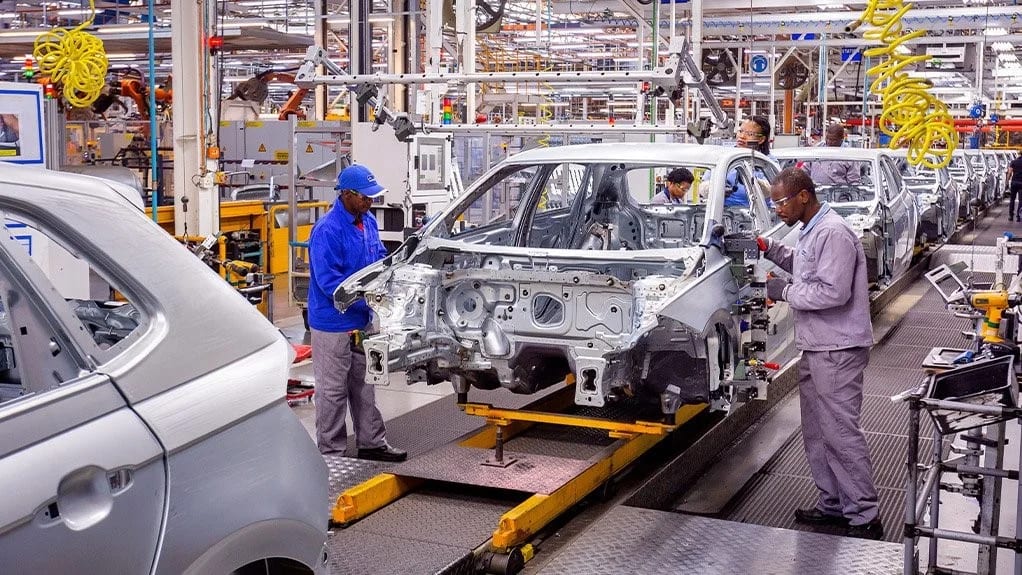
The government is considering restoring the VAT exemption on locally assembled vehicles following concerns from manufacturers that the removal of the incentive has weakened demand, slowed production and threatened investments in Ghana’s growing automotive industry.
The announcement was made by the Head of Strategic Manufacturing at the Ministry of Trade, Agribusiness and Industry, Kwasi Ofori-Antwi, during the Citi Business Festival 2026 Roundtable held on Thursday, June 25, under the theme, “Driving Ghana Forward: The State of the Automotive Assembly Industry and Its Contribution to the Economy.”
Mr Ofori-Antwi explained that the decision to suspend the exemption followed an assessment by the Ministry of Finance, which concluded that the tax relief intended for consumers was not delivering the expected benefits to the industry.
“There was an assessment on the industry by the Ministry of Finance and the Ministry felt that the VAT which was to be enjoyed by consumers was not trickling down to industry, so that was put on hold.” - Mr Ofori-Antwi
He disclosed that vehicle assemblers have since engaged the Ministry of Finance on the matter and expressed optimism that the incentive could soon be reinstated.
“Government didn’t want industry to hold on to that perception. So government will be reviewing that and we are very hopeful that it will be restored,” he added.
Industry Warns of Threat to Growth and Jobs
Industry players argue that the introduction of a 20 per cent VAT on locally assembled vehicles has eroded their competitiveness against imported vehicles, making it more difficult to attract customers and sustain operations.
According to stakeholders, maintaining the tax could force some assemblers to reduce production capacity and jeopardise hundreds of skilled engineering and technical jobs. They also contend that the measure undermines the objectives of the Ghana Automotive Development Policy launched in 2018.
The policy was introduced to attract global vehicle manufacturers to establish assembly plants in Ghana while promoting industrialisation, technology transfer, skills development and job creation.
Government incentives, including a zero rated VAT regime and reduced import duties on assembly components, helped attract several international automotive brands to the country.
Stakeholders maintain that policy consistency remains essential for investor confidence and the long term growth of the sector.
They believe restoring the VAT exemption would strengthen demand for locally assembled vehicles and enhance Ghana’s position as a competitive automotive manufacturing hub within West Africa and the African Continental Free Trade Area.
READ ALSO: Ghana's Economy Remains Insulated From US-Iran Energy Shock - Fitch