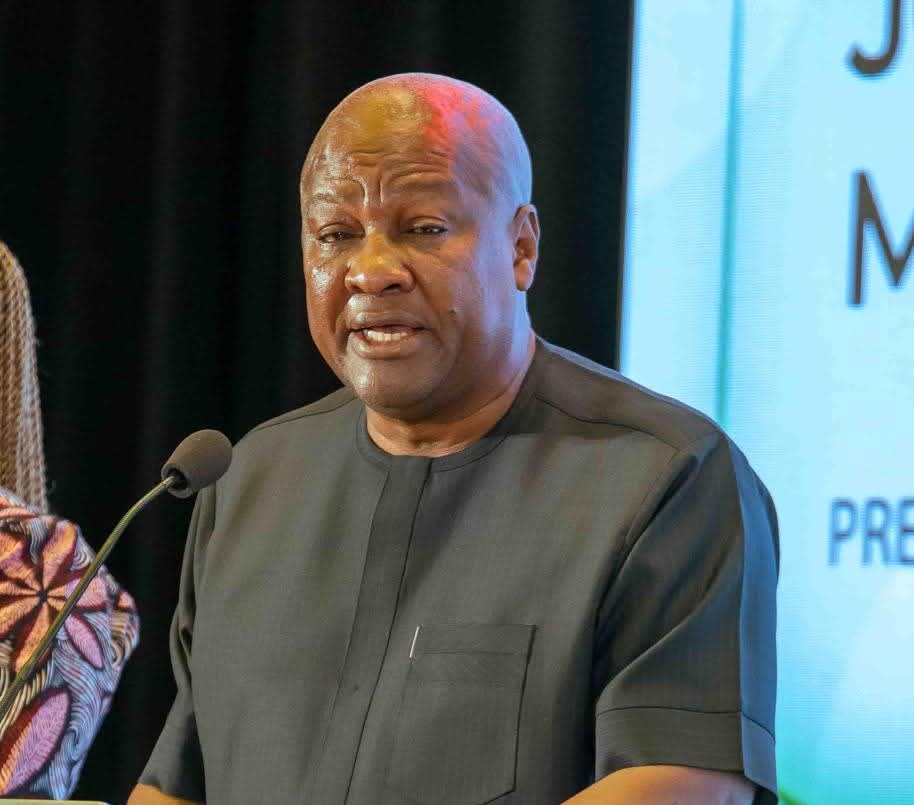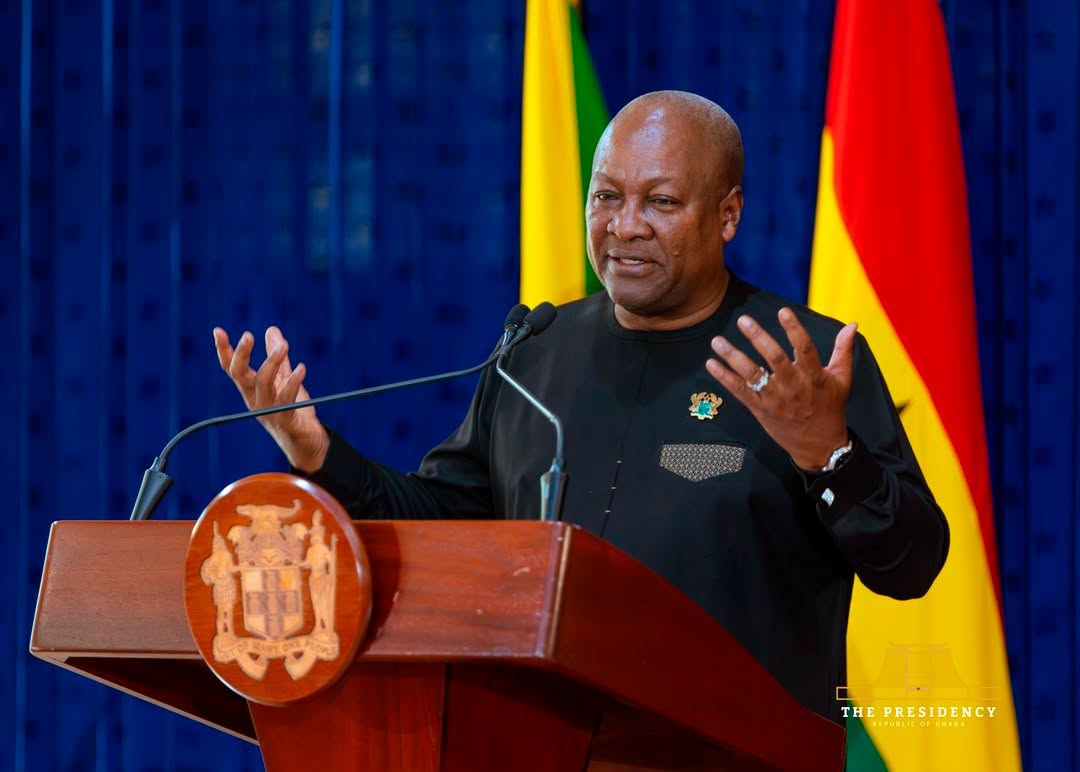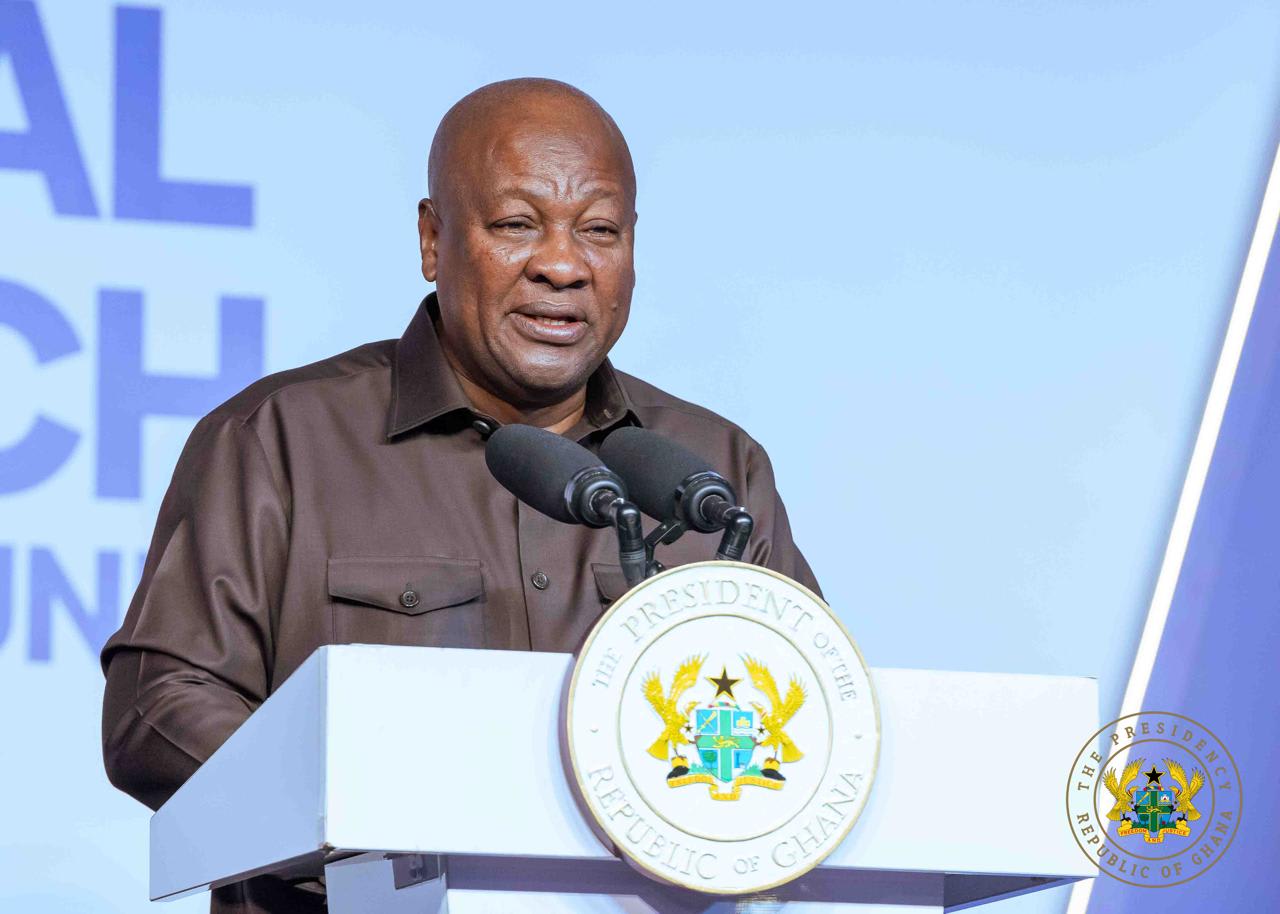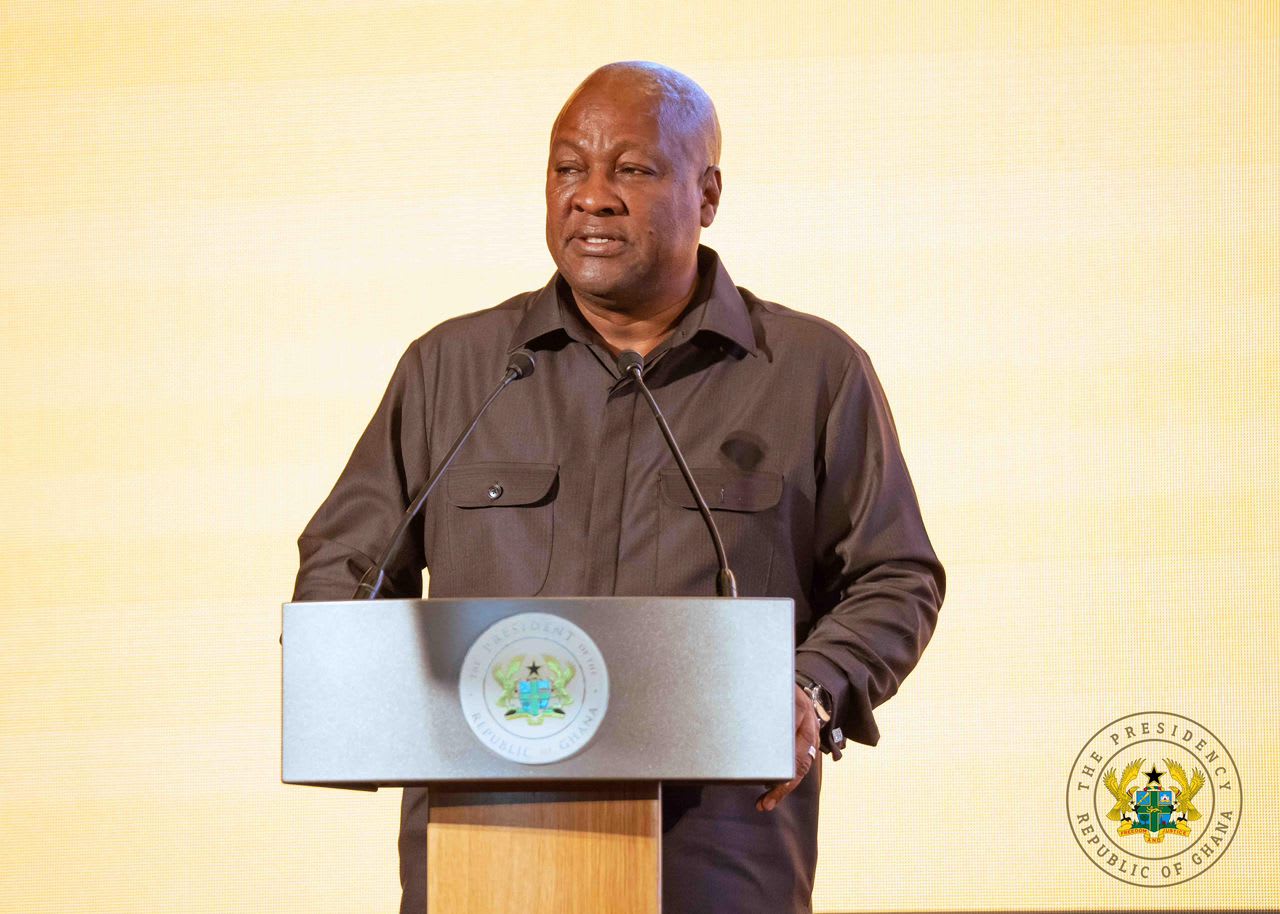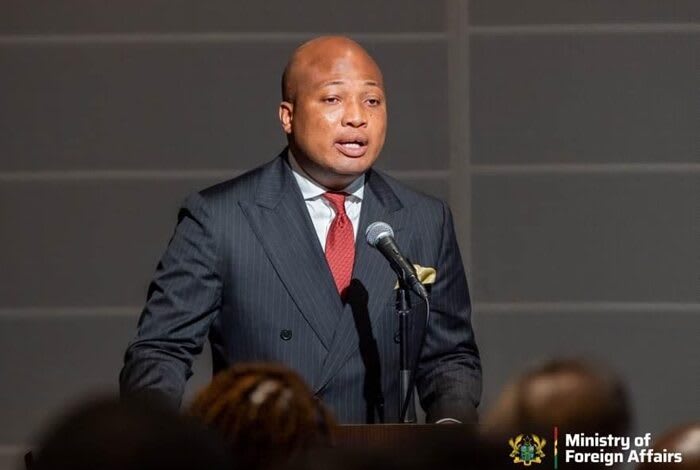
Samuel Okudzeto Ablakwa has warned that Africa risks weakening its long-term economic future unless governments commit to stronger regional integration, deeper financial cooperation and greater solidarity among African nations.
Speaking at the 3i Africa Summit 2026, the Foreign Affairs Minister said the continent possesses enormous economic potential but continues to face setbacks caused by fragmentation, weak intra-African trade and insufficient policy coordination.
Delivering a keynote address on “Regional Financial Integration for Nation Development,” Mr Ablakwa argued that Africa has the resources needed to emerge as a major global economic force if leaders pursue deliberate and coordinated policies.
“Africa has almost all the foundations it requires to be an economically strong and vibrant economic space,” he stated. “The gap between Africa’s potential and reality lies in the deliberate policies we pursue.”
Africa’s Untapped Economic Potential
The minister highlighted the continent’s strategic advantages, noting that Africa holds about 30 percent of the world’s mineral resources and nearly 60 percent of global arable land, alongside a population exceeding 1.4 billion people.
According to him, these advantages position Africa to benefit significantly from shifting global economic patterns and technological transformation.
However, he cautioned that the continent’s progress would depend on how effectively it builds resilient regional financial systems capable of supporting industrialisation, cross-border trade and investment.
Mr Ablakwa lamented that intra-African trade remains around 15 percent, far below levels seen in Europe and Asia.
“We can no longer accept an African market that is fragmented and whose productive centres are not connected,” he said.
Criticism of Xenophobia
The Foreign Affairs Minister also criticised rising xenophobia and anti-immigrant sentiment in parts of the continent, describing such attitudes as contradictory to Africa’s integration agenda.
“We cannot be talking about trading among ourselves and integrating when we are not welcoming of each other,” he stressed.
Drawing comparisons with Europe’s response to the Russia-Ukraine conflict, Mr Ablakwa praised European countries for integrating millions of displaced Ukrainians through employment support, visa access and social protection systems.
He contrasted that with the relatively limited international attention given to the humanitarian crisis in Sudan.
“The international community has forgotten that the biggest displacement is not Ukrainians leaving Ukraine, it is what is going on in Sudan,” he said.
Mr Ablakwa maintained that Africa’s long-term response to unemployment, instability and slow economic growth lies in stronger cooperation, expanded regional trade and greater confidence in African innovation and products.
He added that recommendations emerging from the summit would help shape Ghana’s continental policy agenda ahead of John Dramani Mahama assuming leadership of the in February 2027.
READ ALSO: Civil Service Council Commends Finance Ministry Over Economic Recovery Efforts