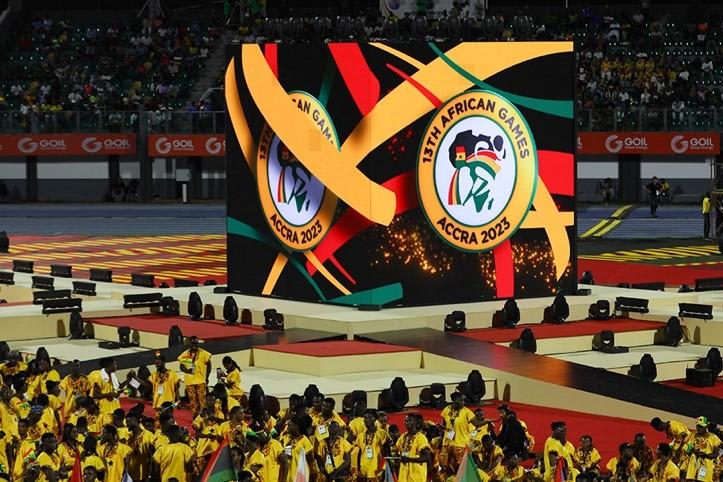
A special audit into Ghana’s hosting of the 13th African Games has uncovered financial irregularities amounting to GH¢580.04 million, raising serious concerns over procurement practices, contract pricing and accountability in one of the country’s most expensive sporting events in recent years.
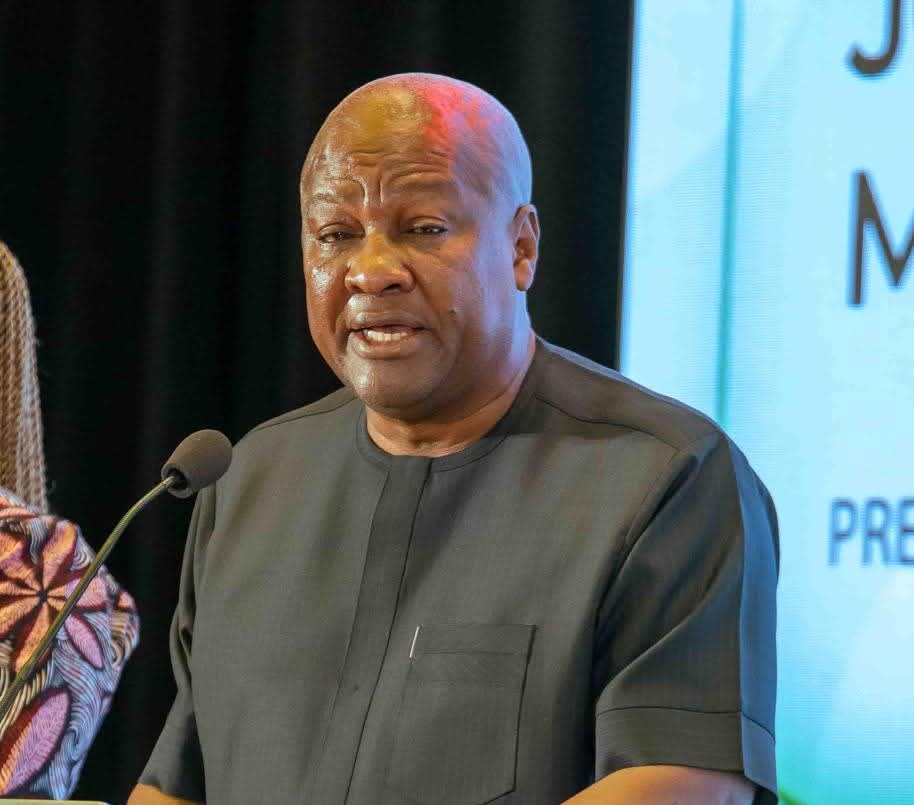
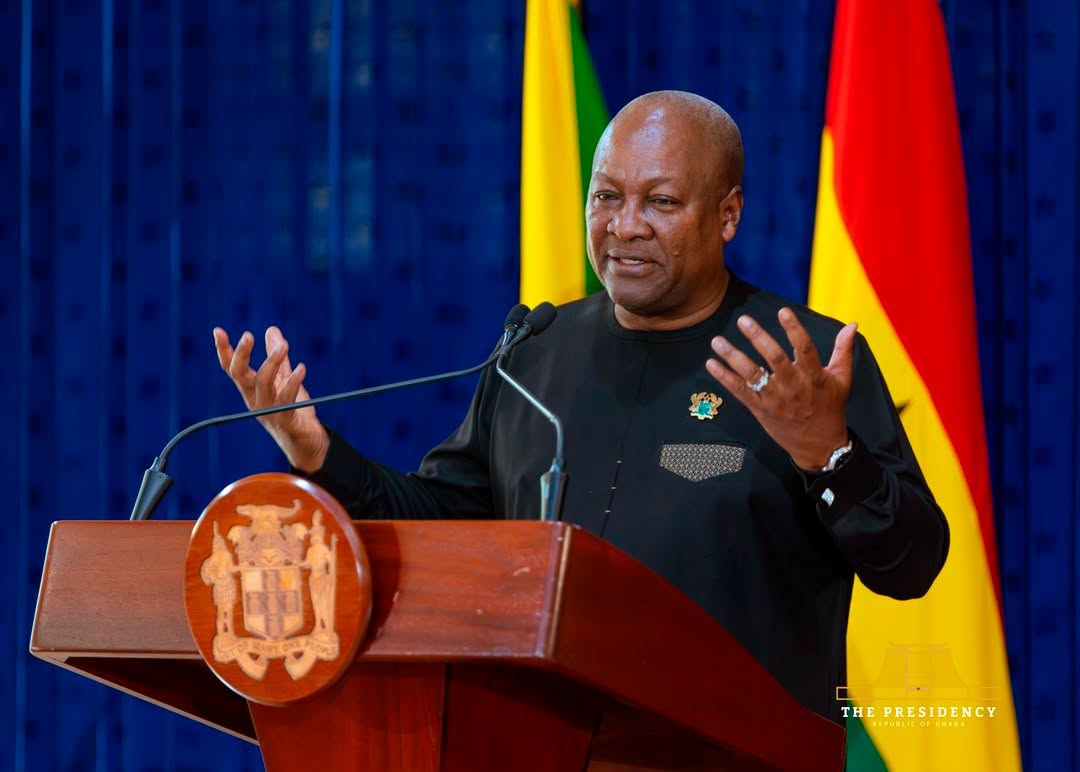
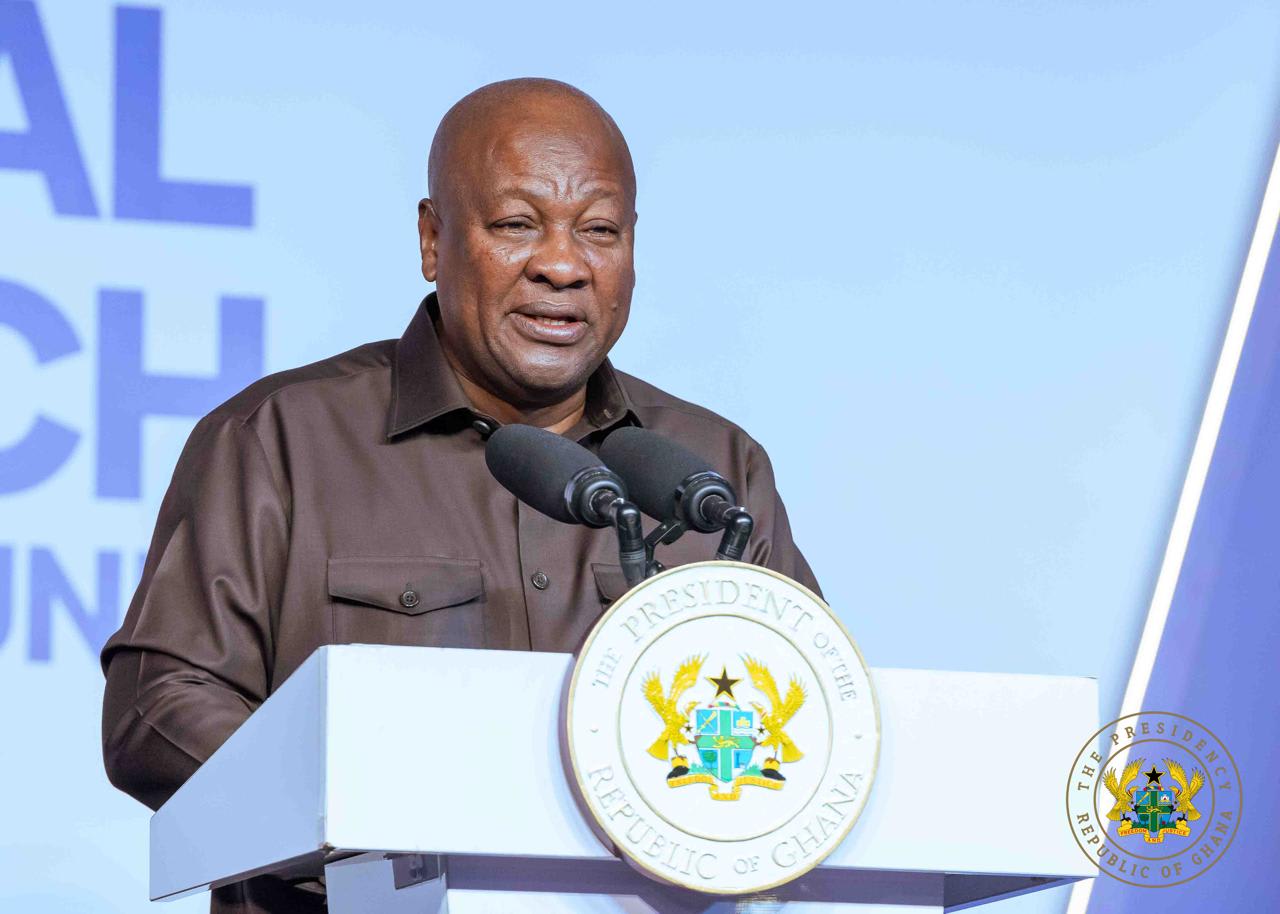
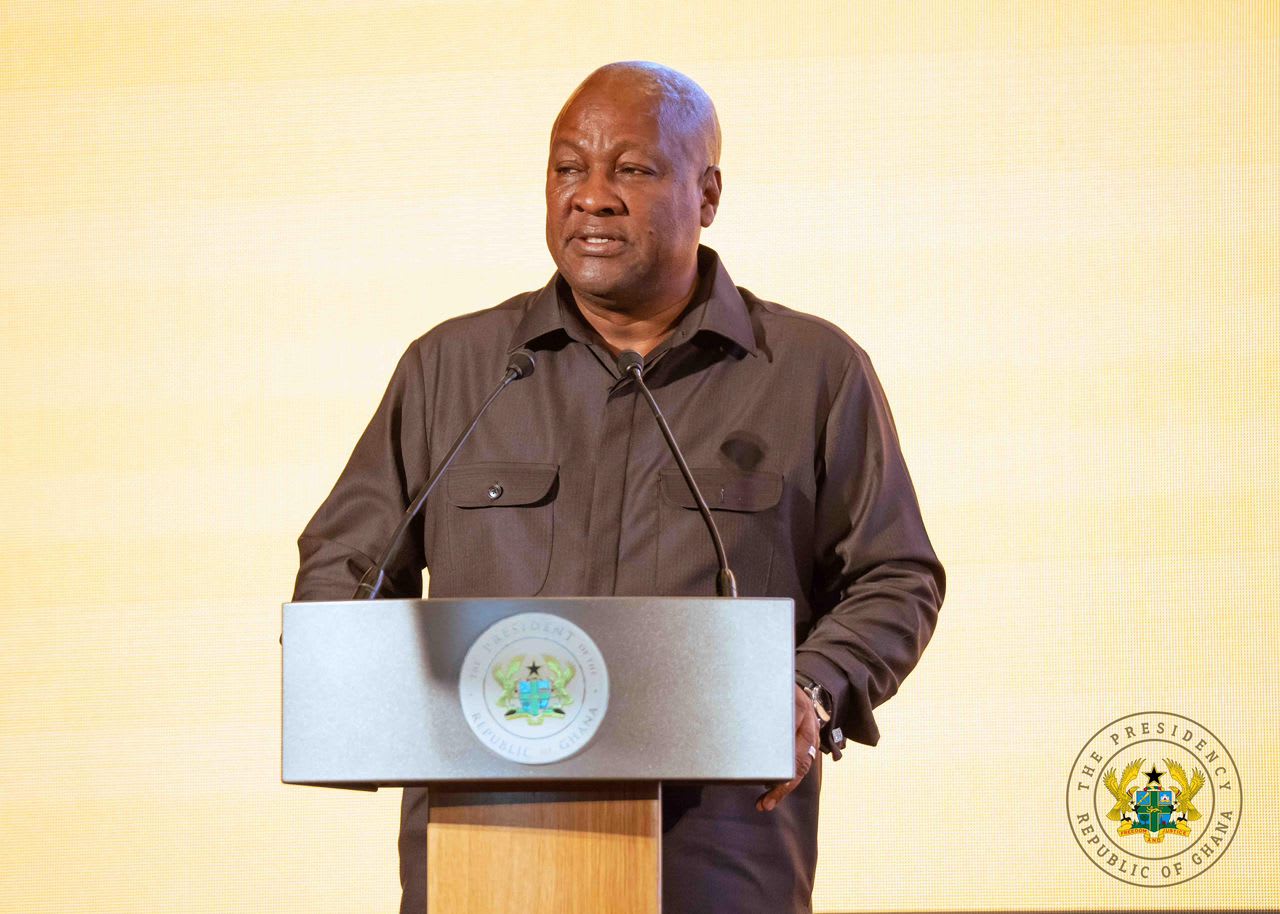
The audit, conducted by the Audit Service of Ghana following a directive by John Dramani Mahama, examined expenditures related to infrastructure, procurement, broadcasting, catering, accommodation, transport, sports equipment, anti-doping services and logistics linked to the continental competition held in Accra.
One of the key areas highlighted in the audit involved catering contracts valued at GH¢33.9 million.
Auditors reportedly found that several non-food cost components, including logistics, utilities, infrastructure and staffing expenses, were embedded within the catering agreement without adequate supporting documentation or independent verification.
The report also raised concerns about possible overlaps between catering services and other contracts awarded to separate providers, increasing the risk of duplicated expenditure.
Anti-doping services also came under scrutiny after the Ministry contracted Omni Speciality Product Limited for testing services valued at more than €739,000.
Benchmark comparisons with internationally accredited laboratories reportedly revealed pricing differences estimated at over GH¢8 million.
Accommodation and transport arrangements were similarly questioned. Auditors found that some hotel rates exceeded prevailing market prices, leading to estimated excess costs of GH¢10.08 million.
Transport contracts linked to the same company reportedly recorded overpricing of about GH¢13.1 million, while an additional GH¢2.2 million was classified as overpayment following invoice recalculations.
Borteyman Sports Complex Among Biggest Concerns
According to the audit findings, the Borteyman Sports Complex emerged as one of the largest areas of concern.
Auditors estimated a net omission and “opportunity cost for scope shrinkage” of $34.43 million from the project’s original contract value of $145.09 million.
Several major components initially included in the project scope were either omitted entirely or significantly reduced during implementation.
These reportedly included warm-up football fields, drainage systems, road works, CCTV installations, irrigation systems, concrete sidewalks and security infrastructure.
Despite the reduction in scope, consultant supervision fees were said to have increased after the project revisions.
At the University of Ghana Stadium, auditors flagged claims amounting to $2.81 million linked to project variations, delayed payments and prolongation costs.
Pressure Mounts for Accountability
The findings are expected to intensify public debate over whether Ghana received value for money from hosting the Games, which had been promoted as an opportunity to boost sports infrastructure and strengthen the country’s continental profile.
The audit also questioned more than GH¢15 million in payments processed through Local Organising Committee accounts for activities reportedly outside the approved mandate of the Games, including advance salary payments and disbursements linked to officials and staff of Ghana’s national football team.
Analysts say the revelations highlight broader concerns about the management of large public events, where accelerated procurement and emergency contracting can weaken oversight and create opportunities for inflated costs.
While the audit findings identify irregularities, experts note that accountability will ultimately depend on whether state institutions pursue investigations, recover unjustified payments and implement stronger procurement controls.
For many taxpayers, the central issue remains whether the huge public expenditure associated with the African Games delivered the expected long-term value or exposed deeper weaknesses in Ghana’s public financial management systems.
READ ALSO: GoldBod Signs Major Gold Refining Deal With Royal Ghana Gold Refinery