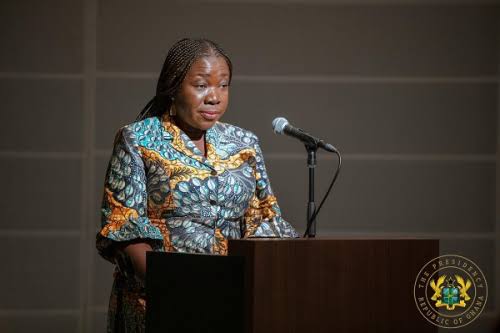
The Bank of Ghana is urging financial institutions to increase their participation in the Ghana carbon market, saying stronger local financing could unlock new revenue streams, attract foreign capital and support the country’s green economy.
The call was made during a four-day carbon markets trading training organised by the central bank in partnership with Financial Sector Deepening Africa.
The programme is aimed at building the capacity of banks, insurers and pension funds to finance carbon-related projects and understand how the market works.
Foreign buyers show interest in Ghanaian credits
Assistant Director at the Bank of Ghana’s Banking Supervision Department, Allswell Abankwa, said international demand for Ghanaian carbon credits is growing.
“Banks are now aware that there are buyers out there who are willing to buy. There is assurance that when we create credits, they will buy from producers,” he said.
He identified clean energy, clean cooking, electric vehicles and forestry as areas with strong investment potential.
According to him, Switzerland and Sweden are already interested in purchasing carbon credits from Ghana, while Singapore has also expressed interest.
“We now have Switzerland coming in to buy, we have Sweden coming in, Singapore has expressed serious interest in Ghana,” he said.
Banks, insurers key to financing projects
Carbon Markets Lead at FSD Africa, Reshma Shah, said financial institutions will be central to providing the capital and risk protection needed to make carbon projects commercially viable.
“The key financing that’s going to come, and the key de-risking, is going to come from the banks, insurance and the pension funds and asset managers right here in Ghana,” she said.
Ms Shah said mature projects could attract commercial financing, while blended finance and risk-sharing arrangements could help support newer or higher-risk projects.
“Together, this can allow funding to flow to carbon projects in Ghana,” she added.
She said the impact could extend beyond carbon trading into forestry, mobility, manufacturing, clean cooking and energy.
“When you look at that broad spectrum of sectors, you can see the impact it can have on the real economy, the impact it can have on employment and particularly around green skills,” she said.
Ms Shah cautioned that building a functioning market would require close cooperation among regulators, financial institutions, project developers and investors.
“Nobody’s saying this is easy,” she said. “But the key thing is, together, different stakeholders, we can find the solutions that are going to work.”
The initiative is expected to deepen financial sector participation in carbon trading and help position Ghana to attract more green investment.
READ ALSO: Women's Development Bank Begins Hiring Ahead of December Office Handover