Bribery in Ghana became more aggressive during the second half of 2025, with 69 percent of citizens exposed to bribery situations saying public officials demanded unofficial payments, newly released data from the Ghana Statistical Service shows.
The figure rose from 51 percent during the first six months of the year, pointing to growing pressure on people attempting to access public services.
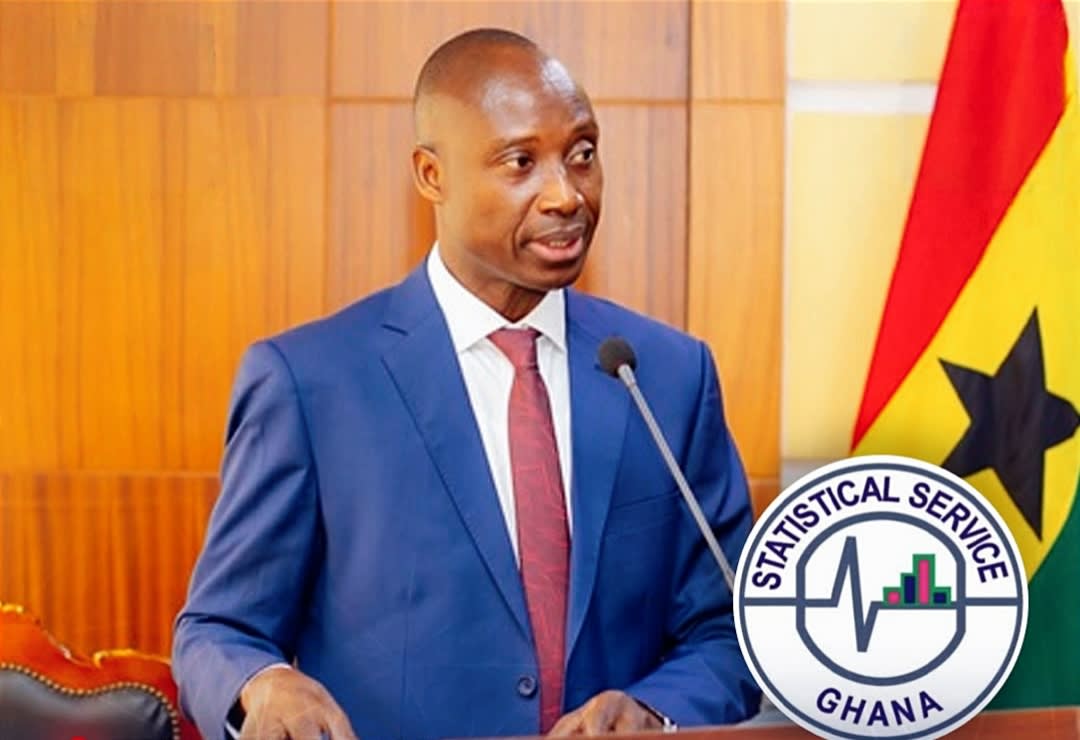
Government Statistician Dr Alhassan Iddrisu presented the findings in Accra on Tuesday, August 4, during a Governance Series event organised by GSS and Three Reports.
“So the pressure sits at the counter,” he said, arguing that the emerging problem was increasingly what officials requested rather than what citizens voluntarily offered.
Bribe payments rise to 18 percent
The deterioration did not end with requests. The proportion of respondents who reported paying a bribe increased from 14.3 percent between January and June to 18 percent between July and December.
That translates into one in every six citizens paying money or giving something unofficially while seeking a public service during the period under review. The numbers are uncomfortable, but they sit inside a more complicated governance picture.
Iddrisu said Ghana’s overall governance performance for the full 2025 calendar year improved compared with 2024.
In other words, broad indicators moved in a positive direction even as encounters with bribery worsened late in the year. “Both of these stories are true,” he said.
Same households tracked nationwide
GSS uses repeated survey waves to catch those shifts. The study follows the same nationally representative households across Ghana’s 16 regions, allowing statisticians to compare changes in experience rather than changes created by interviewing different groups.
The latest results came from interviews with household heads conducted during the first quarter of 2026. Respondents were asked about their encounters with public institutions between July and December 2025.
Following the same households gives the survey a view of movement over time, although the findings reflect reported experiences rather than every transaction involving a public official.
Service counter experience tells harder story
For public institutions, the message is less flattering than the annual governance improvement suggests. More people reported being asked for extra payments, and more admitted paying.
The data does not describe a distant perception problem. It points to what happens at service counters, where citizens meet the state directly.
Ghana may have improved on governance overall in 2025. Yet for many citizens seeking a public service, the second half of the year felt worse, and the demand came from the other side of the desk.
READ ALSO: Africa’s Economic Emancipation is Next Battle - President Mahama