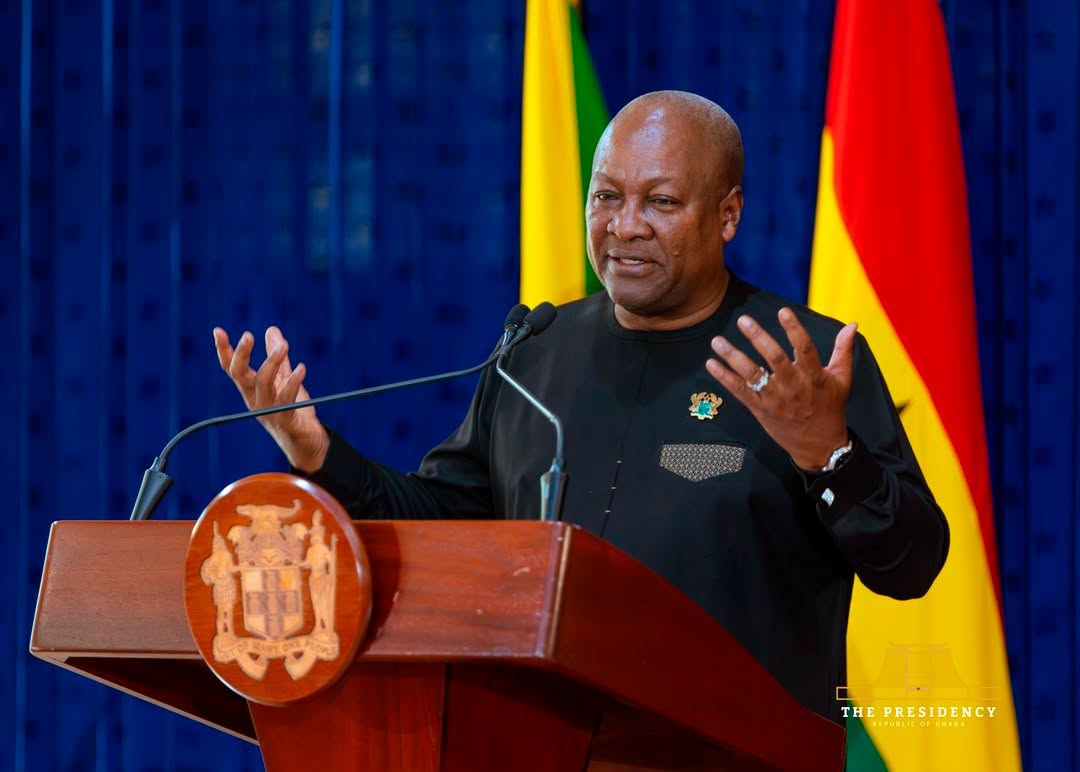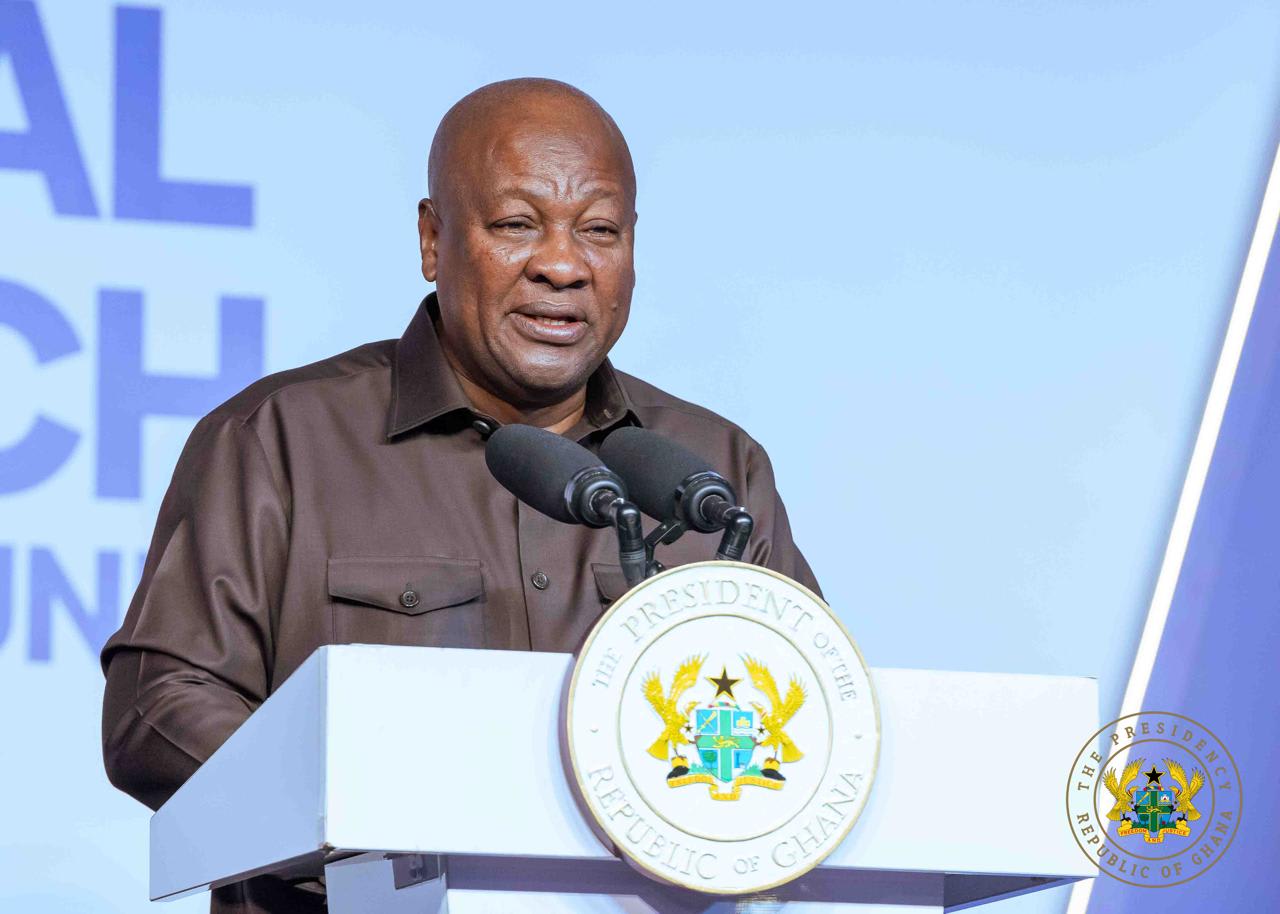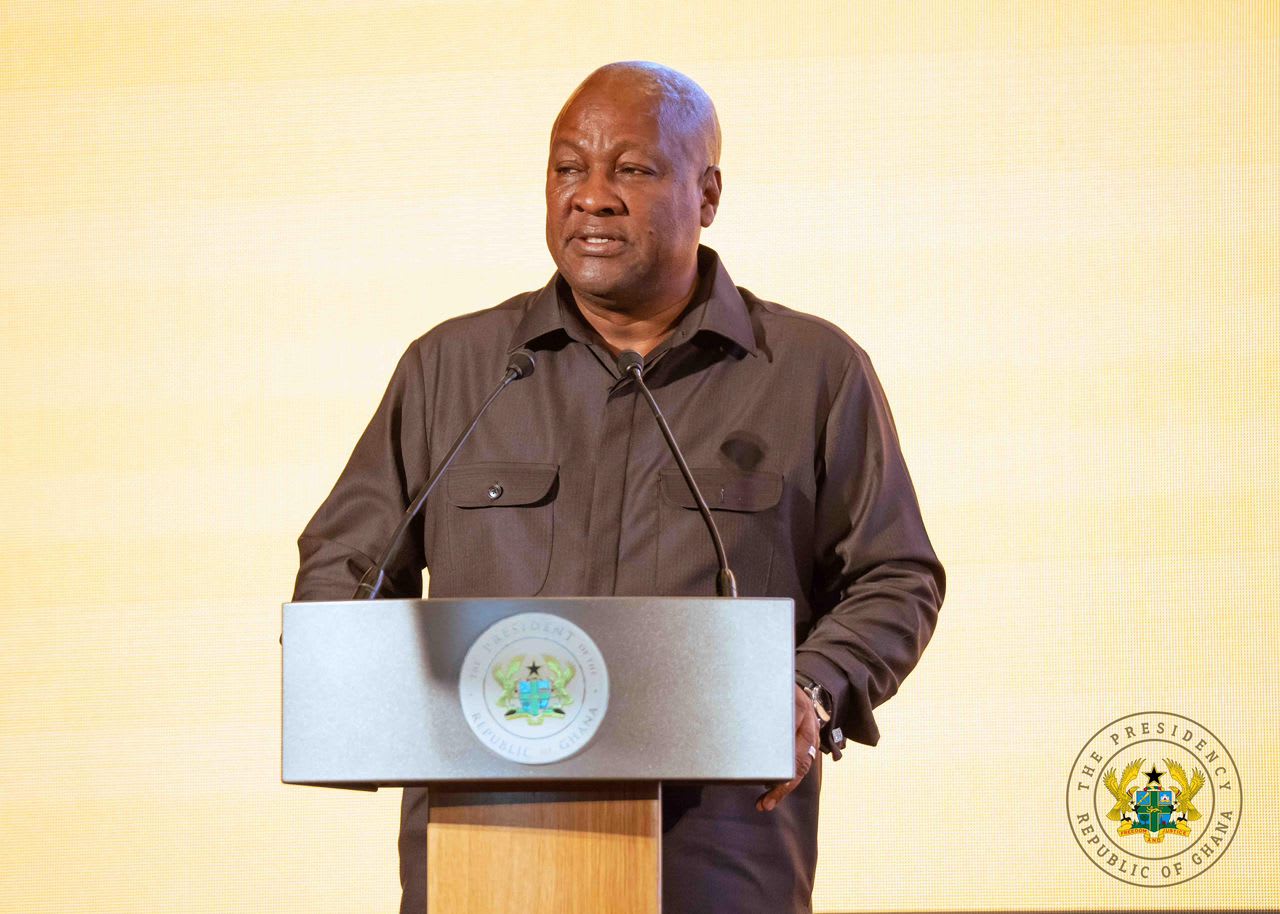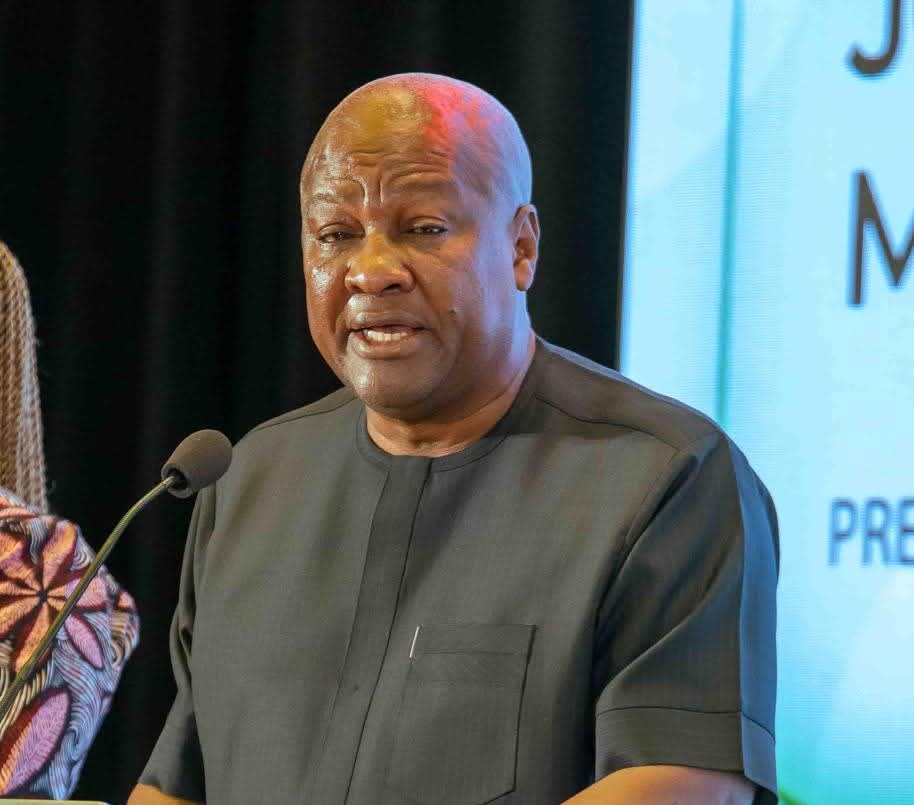
President John Dr Dramani Mahama has urged three newly appointed Supreme Court justices to defend judicial independence in Ghana, especially when handling difficult, unpopular or politically sensitive cases.
He said the authority of the country’s highest court did not flow from political power or force. It rested on public confidence that judges would decide every case impartially and strictly according to law.
President Mahama made the remarks while swearing in Justice Sophia Rosetta Bernasko Essah, Justice Edward Amoako Asante and Anthony Forson Jnr.
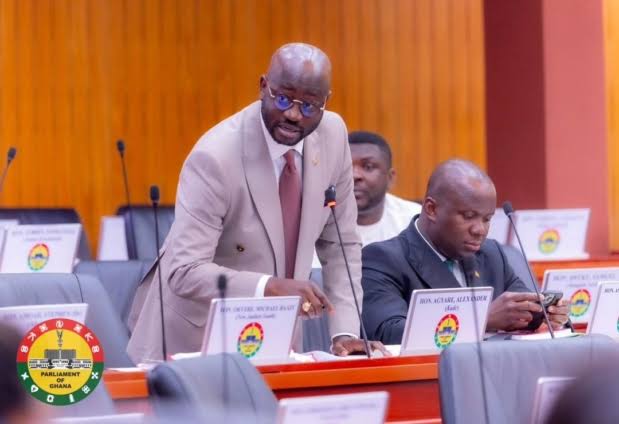
Parliament approved the three appointments in August, clearing the final constitutional hurdle before their elevation to the Supreme Court.
The approval followed a vetting process boycotted by the Minority over concerns about procedure and timing, Sweet FM reported.
Judicial oath is not ceremonial
President Mahama told the new justices that legal knowledge alone would not be enough to meet the demands of Ghana’s final judicial authority.
He said the work required sound judgment, patience, personal integrity and the courage to reach lawful decisions even when those decisions attracted political criticism or public disapproval.
“The oath you are taking today is consequential, not ceremonial,” he said. “It is a solemn covenant with the people of Ghana.”
The oath, he added, required the justices to administer justice without fear or favour, affection or ill will while defending the Constitution.
He asked them to protect constitutional rights, respect the separation of powers and ensure that no person or institution was placed above the law.
Independence must serve citizens
President Mahama rejected the idea that judicial independence existed primarily to shield judges from scrutiny.
“Judicial independence is not a privilege granted to judges for their personal benefit,” he said. “It is a protection that is afforded to citizens so that their rights may be determined fairly.”
That protection becomes most important, he argued, when courts are asked to decide cases involving powerful interests or sharply divided public opinion.
The Supreme Court has final appellate jurisdiction in civil and criminal matters. It also has exclusive authority over key questions involving the interpretation and enforcement of Ghana’s Constitution.
Its decisions can settle election disputes, define the limits of government authority and determine the reach of citizens’ rights.
Confidence in those rulings depends heavily on whether the public believes judges are applying law rather than responding to political pressure.
Accountability remains part of the bargain
President Mahama said independence must operate alongside accountability, discipline and loyalty to the judicial oath.
Public trust, he noted, is shaped by more than the legal reasoning contained in judgments. The personal conduct of judges, the accessibility of courts and the time taken to resolve cases also affect how citizens see the judiciary.
Justice Bernasko Essah and Justice Amoako Asante joined the apex court from the Court of Appeal. Justice Amoako Asante previously served as President of the ECOWAS Court of Justice. Justice Forson entered from private practice and is a former President of the Ghana Bar Association.
They now join a court whose power depends on something fragile: the willingness of citizens to trust that the law will hold, even when politics becomes loud.
READ ALSO: Ghana's State-Owned Enterprises Hold GH¢407.85bn in Assets - President Mahama