Ghana could face renewed cedi depreciation in 2027 as rising external debt repayments, reserve accumulation and potentially weaker gold earnings put fresh pressure on the country’s foreign exchange market.
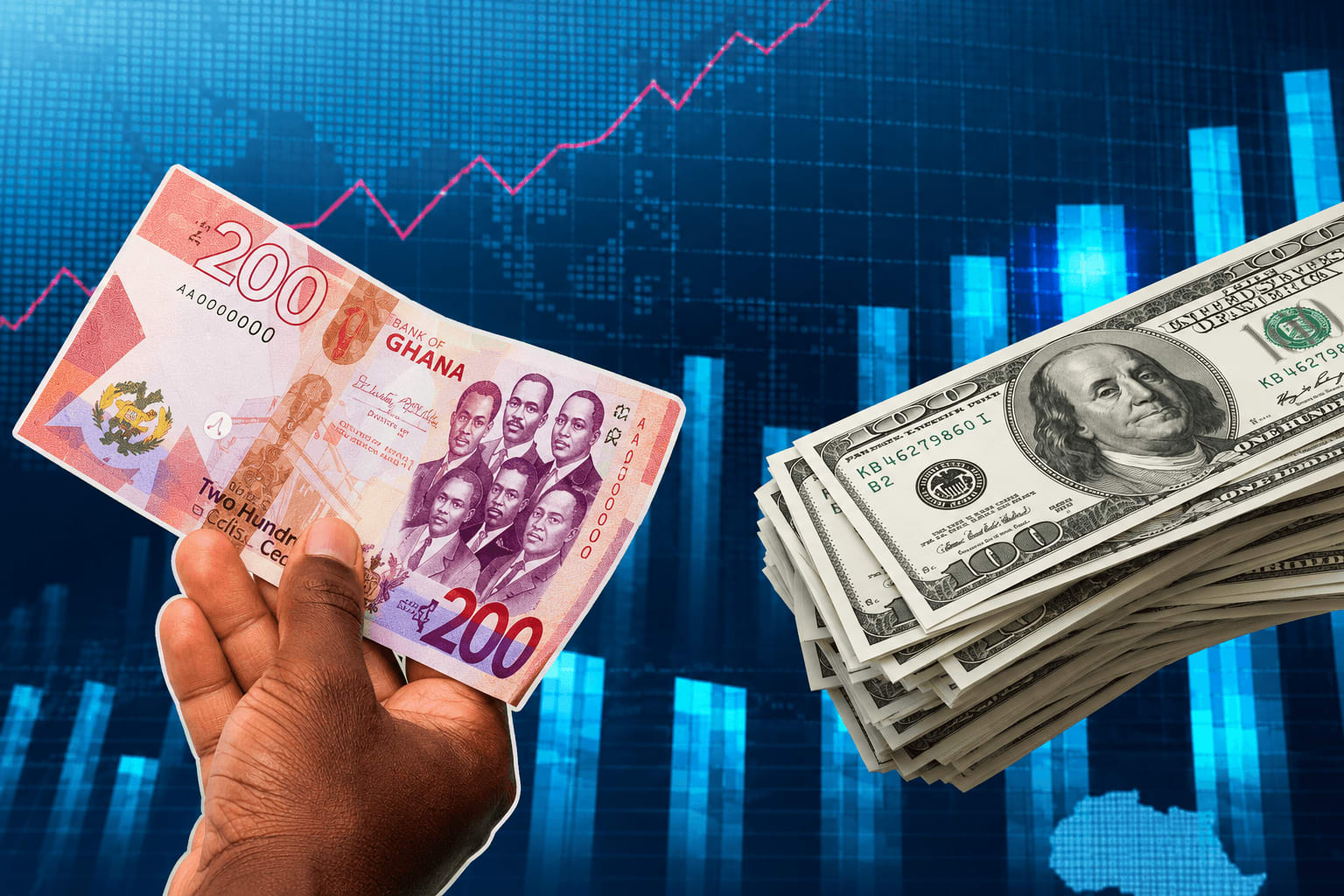
Fitch Solutions, through its BMI research division, expects the local currency to weaken by 7.4 per cent against the United States dollar next year and close 2027 at about GH¢12.80 to the dollar.
“We forecast the Ghanaian cedi to weaken by 7.4% against the US dollar in 2027,” BMI said in its latest assessment.
The forecast comes as Ghana moves from the immediate debt restructuring phase into a period of heavier repayments to domestic and external creditors.
Debt repayments return as major pressure
External debt service is expected to remain substantial in 2027, adding to demand for dollars at the same time the Bank of Ghana is seeking to build stronger international reserves.
Government will also face two major Eurobond payments next year. The 2027 Budget shows US$590 million falling due on January 2 and another US$580 million on July 2. As of November 11, 2026, about US$480 million had been accumulated in the government’s US Dollar Sinking Fund.
The government has deliberately sought to build foreign currency buffers rather than wait until repayment dates before mobilising cash.
Its medium term debt strategy also provides for the Sinking Fund to receive excess Stabilisation Fund resources, dividends and dollar windfall revenues to help meet external obligations as the debt service moratorium to bilateral and commercial creditors expires.
The financing challenge is made more delicate by Ghana’s plan to limit fresh external borrowing, including avoiding a quick return to the Eurobond market.
That leaves export earnings, fiscal resources and other foreign currency inflows increasingly important to meeting maturing obligations without putting excessive pressure on reserves.
Reserve build-up could reduce dollars on market
Fitch expects reserve accumulation to be another factor shaping the exchange rate.
The Bank of Ghana has placed a renewed emphasis on strengthening foreign exchange buffers, while its role in directly supplying dollars to the market has changed following the transfer of the domestic gold purchase programme to the Ghana Gold Board.
BMI said a greater share of available foreign currency could consequently be retained for reserves instead of being released to commercial banks to smooth routine exchange rate movements.
That presents the central bank with a difficult balance. Stronger reserves give Ghana greater protection against external shocks and debt payment pressures, but holding back more dollars can tighten supply in the domestic market.
Gold remains critical to cedi outlook
Gold will remain central to how that balance plays out.
Bank of Ghana data show that gold generated US$20.92 billion in export earnings during the first 10 months of 2026, accounting for nearly 69 per cent of Ghana’s total US$30.42 billion export receipts over the period.
Fitch expects average international gold prices to decline from about US$4,400 per ounce in 2026 to US$4,200 in 2027.
Lower prices could reduce the amount of gold-related foreign exchange entering the system unless stronger production compensates for the price decline.
BMI said GoldBod’s ability to supply commercial banks with dollars would increasingly depend on the volume and value of gold sales.
A stronger than expected gold market could therefore soften depreciation pressure. A sharper fall in bullion prices would make the foreign exchange picture more difficult.
Oil prices pose another risk
Ghana’s dependence on imported petroleum products creates a second commodity risk.
Higher international oil prices would increase the amount of foreign currency required to finance fuel imports, adding another source of dollar demand.
For businesses, particularly companies importing machinery, raw materials and finished goods, renewed depreciation could mean higher operating costs and greater exposure to exchange rate losses.
The currency outlook may also be affected by domestic liquidity conditions as large debt repayments return cash to investors.
Government faces significant Domestic Debt Exchange Programme maturities in 2027, including obligations falling due in February and August.
The government has already built a GH¢29 billion cedi sinking fund buffer for the February principal payment and announced an early redemption offer.
If part of that liquidity moves into foreign currency assets, it could add to dollar demand, although the scale will depend on investor behaviour and available alternatives in the domestic market.
Debt restructuring gains face fresh test
Ghana enters the period from a stronger position than during the height of its debt crisis.
The IMF completed the sixth and final review of the country’s US$3 billion Extended Credit Facility programme in July 2026 and upgraded Ghana’s risk of external and overall debt distress to moderate following progress in restructuring and macroeconomic stabilisation.
That improvement does not remove the pressure created by returning debt repayments.
Fitch does not expect a disorderly collapse of the cedi, pointing to Ghana’s current account position and the Bank of Ghana’s capacity to intervene if necessary.
The GH¢12.80 forecast therefore remains a projection rather than a fixed outcome.
Stronger gold earnings, sustained export growth and disciplined liquidity management could limit depreciation. Lower commodity revenues, higher fuel prices or stronger demand for dollars could push the currency in the opposite direction.
For Ghana, 2027 will test whether the gains from debt restructuring can survive the return of substantial repayments without destabilising the cedi or draining the reserves rebuilt over the past two years.