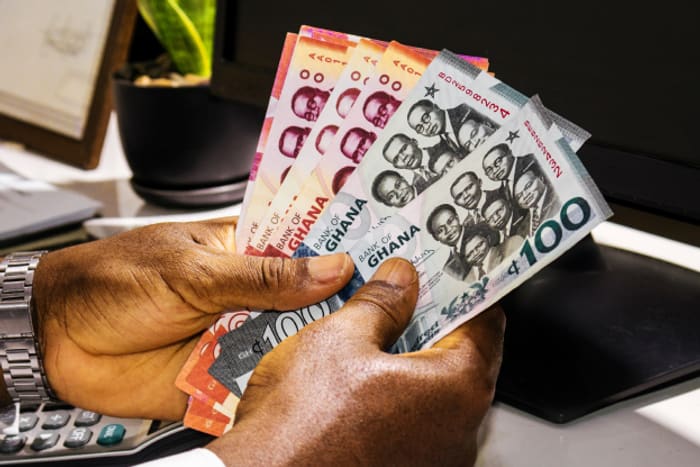
The Ghana cedi has notched marginal weekly gains against the US dollar on the interbank market for more than three weeks running, a recovery traders are largely crediting to improved foreign exchange liquidity following a rough patch in August and early September.
That earlier depreciation had been partly linked to higher dollar demand for Christmas-season imports.
Speaking to global investors in Bangkok on the sidelines of the IMF and World Bank Annual Meetings, Bank of Ghana Governor Dr Johnson Asiama pointed to another factor as well, large payments in the energy sector that had put a modest dent in the country's international reserves.
GoldBod's Dollar Supply Doing the Heavy Lifting
Traders and bank treasurers say the real driver behind the cedi's recent strength has been GoldBod's expanded dollar supply, along with its pricing approach, which has helped pull exchange rates lower.
On Tuesday, GoldBod sold US$130 million at GH¢11.60 to the dollar, undercutting the prevailing spot market rate at the time.
That kind of pricing has started to ease pressure across the market, with some banks and traders scaling back their dollar requests as supply improves.
Market sources estimate GoldBod may have pushed more than US$500 million to commercial banks this month alone through its GoFX platform, though that figure has not been officially confirmed.
Dr Asiama told investors the central bank is working closely with GoldBod to keep building reserves and sustain the stability gains made so far.
A Billion Dollars Earmarked for Banks
GoldBod's broader programme is expected to generate about US$1.5 billion in foreign exchange receipts, with US$1 billion set aside for commercial banks and the remaining US$500 million going to the Bank of Ghana to strengthen reserves.
The arrangement falls under revised rules governing forex receipts from artisanal and small-scale gold exports.
Notably, the central bank told commercial banks last month it did not expect to run its own foreign exchange intermediation programme in October, a decision some market watchers link directly to GoldBod stepping in to fill that role.
The Bank of Ghana has said it remains ready to intervene if needed to keep the market orderly while preserving exchange rate flexibility.
How the Twice-Weekly Sales Work
Under the new framework, GoldBod sells foreign exchange every Tuesday and Thursday, with banks submitting requests during a designated window.
If demand outpaces supply, allocations are distributed on a pro-rata basis. Settlement happens same-day, with the dollar leg wrapping up by 3pm and the cedi leg by 4pm.
Banks taking part must confirm their requests reflect genuine unmet demand or an actual short position, and must stay compliant with Bank of Ghana rules throughout.
The central bank keeps real-time access to the GoFX platform for oversight, while GoldBod submits transaction reports after every sale, with built-in time-stamping and audit trails meant to keep the process transparent.
GoldBod and commercial banks worked out the details at a meeting ahead of the framework's rollout, designed to give banks predictable, transparent access to dollars rather than scrambling for supply in an unpredictable market.
READ ALSO: Govt Tightens Rules to Protect Workers in Contract Mining