The growing importance of energy intelligence could reshape how Ghana manages its electricity sector, as rising global power demand, infrastructure constraints and financial pressures increase the need for smarter electricity management.
The International Energy Agency (IEA) projects that global electricity consumption will grow by an average of 3.6% annually between 2026 and 2030, driven by industrial expansion, artificial intelligence (AI), data centres, electric vehicles and the electrification of economic activities previously dependent on fossil fuels.
The forecast raises questions about whether expanding electricity generation and transmission infrastructure will be enough to meet future demand without more efficient systems for managing consumption.
A November 20, 2026, analysis published as partner content by the World Economic Forum (WEF), authored by Hemakiran Gupta, Global Practice Head for Sustainability at Tata Consultancy Services, argues that the next phase of the energy transition will depend increasingly on an integrated system of data, predictive technologies, artificial intelligence and coordinated decision-making.
Described as an energy intelligence layer, the approach seeks to help businesses and electricity operators understand consumption patterns, anticipate demand, manage costs and make better use of available energy assets.
Rising electricity demand puts pressure on power systems
The IEA's demand forecast reflects a fundamental shift in the global energy landscape. Electricity is becoming increasingly central to manufacturing, transportation, digital infrastructure and other economic activities.
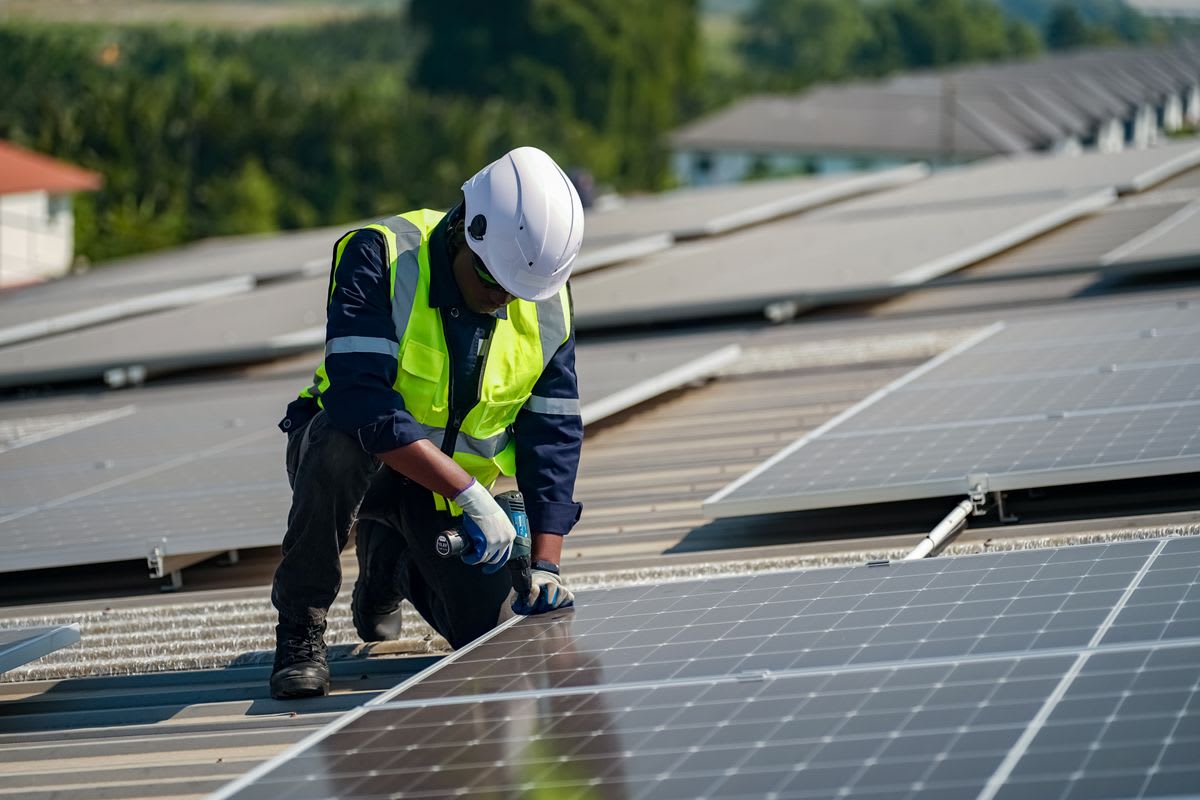
Businesses are also taking a more active role in electricity markets. Rooftop solar, battery storage, electric vehicle fleets and on-site generation are allowing companies to produce and manage electricity beyond their traditional dependence on centralised utilities.
However, combining different sources of electricity creates operational challenges. Companies must determine when to consume power, when to store excess generation and when alternative supply arrangements offer better value.
These decisions depend on electricity prices, weather conditions, grid availability and production requirements.
Gupta argues that energy management must therefore move beyond recording electricity consumption and become part of wider business strategy.
Research from IDC's Energy Transition Survey 2026, cited in the analysis, found that 41% of organisations prioritised reducing energy costs and exposure to price volatility. Another 40% focused on operational efficiency, while 37% prioritised regulatory compliance.
Only about a quarter were targeting new products, services or revenue opportunities associated with the energy transition.
The findings suggest that businesses still view energy investments largely as a cost-management exercise rather than an opportunity to develop new commercial capabilities.
What energy intelligence means for businesses
The proposed model involves connecting electricity consumption data with financial planning, procurement, production and environmental management.
Gupta identifies four stages through which businesses can develop this capacity: understanding their energy position, modelling alternative scenarios, monitoring changing market conditions and translating available information into coordinated decisions.
For a manufacturing company, predictive systems could identify periods when electricity costs are lower, allowing energy-intensive production activities to be scheduled more efficiently.
A logistics company operating electric vehicles could use forecasting tools to determine the most economical charging periods based on electricity tariffs, battery capacity and transport schedules.
Industrial facilities could also recover waste heat from their operations and reuse it, reducing their dependence on external electricity supplies.
The analysis argues that the real advantage lies not simply in collecting more energy data but in using it to make timely operational and investment decisions.
As Gupta puts it, “without an intelligence layer, organizations have assets. With an intelligence layer, they have a strategy.”
Ghana's $1.1bn energy-sector financing challenge
The argument carries particular weight for Ghana, where financial difficulties within the electricity sector continue to create fiscal pressures and affect the operating environment for businesses.
The International Monetary Fund (IMF), in its 2026 assessment of Ghana's economy, estimated the country's energy-sector shortfall at approximately US$1.1 billion for 2026.
The Fund attributed the financing gap largely to high electricity collection and distribution losses, costly generation contracts and outstanding obligations to power producers and fuel suppliers.
There have been improvements. Ghana's energy-sector shortfall declined from US$1.6 billion in 2024 to US$1.4 billion in 2025, supported by tariff adjustments, improved revenue collection by the Electricity Company of Ghana (ECG), cedi appreciation and reduced reliance on liquid fuels for power generation.
However, the IMF cautioned that the remaining financial and institutional challenges continue to expose public finances to risks.
Energy intelligence could complement ongoing reforms by improving electricity consumption monitoring, identifying technical losses and strengthening the management of distribution networks.
Advanced metering infrastructure, for instance, could help utilities improve billing accuracy and detect unusual consumption patterns. Predictive maintenance systems could also identify potential equipment failures before they cause wider disruptions.
Such technologies, however, cannot independently resolve revenue collection weaknesses, unpaid electricity bills or inefficient power-purchase arrangements. Their effectiveness would depend on reliable data, investment and institutional accountability.
Mission 300 offers opportunity for digital investment
Ghana's National Energy Compact under the World Bank and African Development Bank-backed Mission 300 initiative provides a framework within which these investments could be considered.
The compact envisages US$4.4 billion in energy-sector investment between 2025 and 2030, with approximately US$2.6 billion expected from private sector sources.
It also targets electricity access of 99% by 2030, up from 89% in 2024, while increasing renewable energy's share of installed generation capacity from approximately 4% to 10%.
These ambitions will require investments beyond power generation, including distribution infrastructure, renewable energy integration, storage systems and improved network management.
Incorporating smart metering, digital monitoring and automated control systems into these investments could help Ghana improve the efficiency of its electricity infrastructure.
For manufacturers, particularly those in food processing, textiles, pharmaceuticals, metals and construction materials, better electricity management could also help reduce production costs and improve competitiveness under the African Continental Free Trade Area.
Digitalisation cannot replace reliable infrastructure
The transition towards intelligent electricity management will still depend on the physical strength of power networks.
Solar and wind generation fluctuate with weather conditions, making storage, transmission capacity and flexible electricity systems necessary to maintain reliable supply.
Digital technologies can improve forecasting and coordination, but their benefits will remain limited where electricity networks lack reliable metering, adequate connectivity and sufficient technical capacity.
Cybersecurity, data protection and trained personnel will also become important as more electricity operations depend on interconnected digital systems.
For Ghana, the immediate challenge remains improving the financial sustainability of the electricity sector and ensuring affordable, reliable power for households and businesses.
But future investment decisions will increasingly need to consider how electricity assets are monitored, coordinated and used.
The central argument of Gupta's analysis is that expanding generation capacity alone will not guarantee an efficient energy transition. Countries and businesses must also develop the intelligence required to manage the electricity they produce and consume.
For Ghana, that could become an important part of efforts to reduce energy-sector losses, strengthen industrial productivity and make future investments deliver greater economic returns.
READ ALSO: Nigeria’s External Reserves Rise to $54.02bn in November, Covering 10.26 Months of Imports