The Ghana Free Primary Healthcare programme has begun operating in 135 districts across all 16 regions, bringing preventive and basic health services closer to underserved communities.
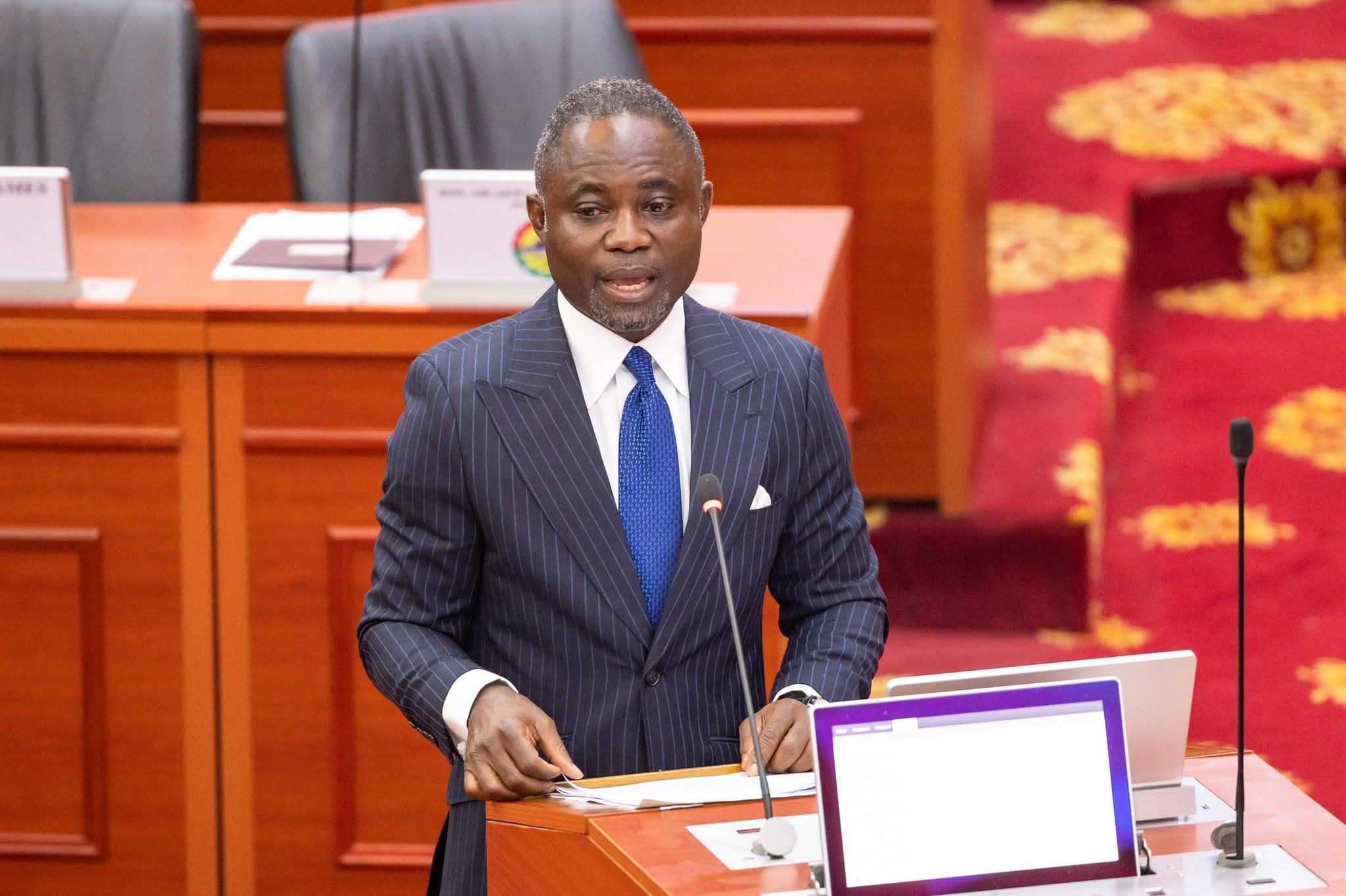
Health Minister Kwabena Mintah Akandoh announced the start of operations at a press conference, saying 4,574 health facilities were participating in the first phase.
The programme forms part of President John Dramani Mahama’s health sector reforms. It seeks to move more healthcare delivery away from hospitals and into communities, where diseases can be detected and treated before they become severe.
“We have 135 districts out of the 216, and they are all in the 16 regions,” Mr Akandoh said. “In every region, we have selected the deprived district to be part of the first phase.”
The government intends to extend the programme to 150 deprived districts by the end of 2026. Nationwide coverage is expected by the close of 2027.
Thousands of facilities prepared
The participating network includes 3,781 Community based Health Planning and Services compounds, 746 health centres and 48 polyclinics. Facilities managed by the Christian Health Association of Ghana and other health partners have also joined the programme.
Mr Akandoh said preparations had continued since the policy was launched in April 2026. Health workers have received training, while primary care facilities have undergone retooling.
More than 24,500 pieces of medical equipment have been distributed to support service delivery. The Ministry has also received 5,000 health worker bags fitted with basic tools for house to house care.
Over 7,000 motorbikes and tricycles are expected to arrive for use by health professionals travelling into communities, particularly areas where transport remains a problem.
NHIS card not required
The minister stressed that the initiative should not be mistaken for free healthcare at every hospital or for every medical condition. Its coverage is limited to services delivered at the primary healthcare level.
It also does not replace the National Health Insurance Scheme. Instead, the programme is designed to complement the NHIS by dealing with preventable and treatable illnesses early, reducing pressure on hospitals and insurance claims.
Residents of the 135 selected districts will not need an active NHIS card to access covered services. They may visit a participating facility, complete the required registration and receive care.
That distinction could determine how quickly communities embrace the programme. For people who have stayed away from health facilities because their insurance cards had expired, the new arrangement removes an immediate barrier.
Minister warns against illegal charges
Mr Akandoh cautioned health workers against demanding payment for services covered by the programme. Reports of illegal charges would be investigated, he said, and officials found responsible could face disciplinary action.
The minister also urged the public to seek screenings and preventive care rather than wait for illnesses to worsen. The programme, he suggested, will work best if communities change how and when they use the health system.
Complaints may be reported through dedicated telephone lines. Telecel users can call 06447, while MTN subscribers can contact 05444 46447.
The rollout is a sizeable opening move. Its credibility, though, will be judged less by the number of facilities announced and more by what patients find when they arrive: available staff, working equipment, essential medicines and genuinely free care.
READ ALSO: NDPC to Monitor Ghana’s US$10 billion New Economy Programme