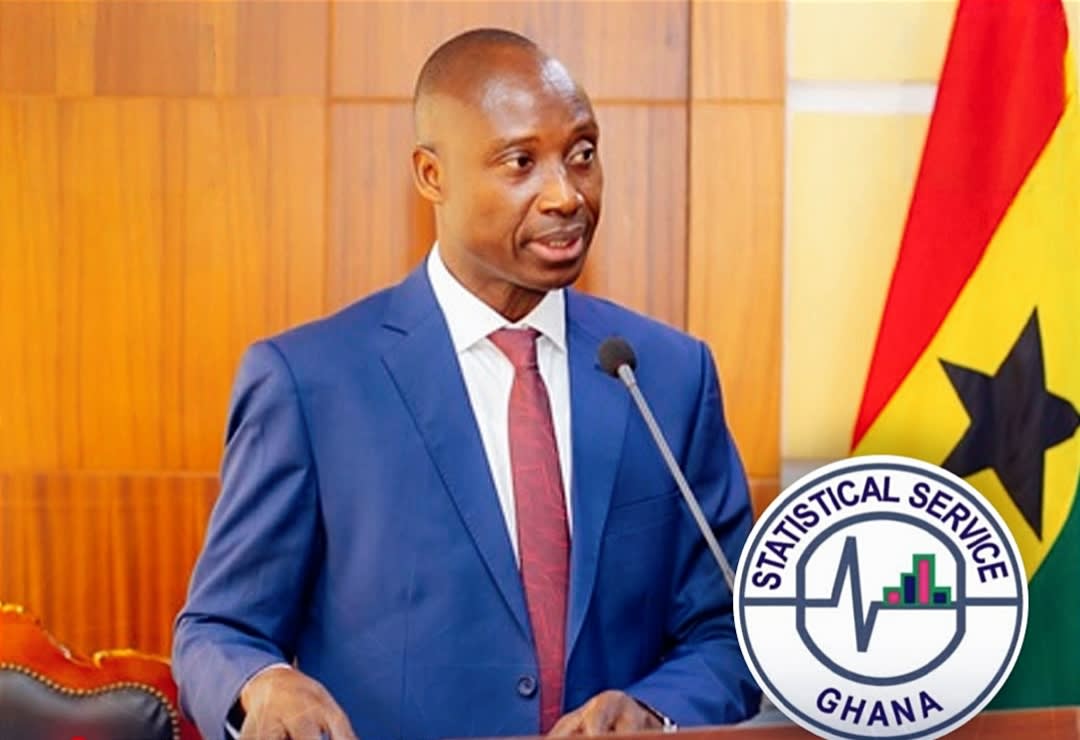
Ghana’s employed population has more than doubled over the past 35 years, but the Ghana informal sector still accounts for the overwhelming majority of jobs, according to new data from the Ghana Statistical Service.
Employment increased from about six million people in 1992 to 13.3 million in 2025, the report said.
Yet 85.9 per cent of employed people were working in the informal sector by the third quarter of 2025, pointing to persistent concerns over job security, earnings and working conditions.
The findings are contained in the GSS report, Productivity, Employment and Growth 1991–2025: Shares in the Gains.
Self employment dominates labour market
The report shows that 61.8 per cent of workers were self employed, while paid employees accounted for just 20.5 per cent.
That gap underlines the limited reach of formal wage employment despite the expansion in the number of people working.
The report also found that economic growth has generally outpaced the Sub Saharan African average since 2008.
Ghana has recorded annual growth rates of between four and six per cent since 2014, after growth peaked at about 14 per cent in 2011 following the start of commercial oil production.
Growth slowed sharply to 0.5 per cent in 2020 amid the COVID 19 pandemic.
Growth gains remain uneven
The GSS said the benefits of Ghana’s economic expansion have not been shared evenly.
The national poverty rate fell from 51.7 per cent in 1991 to 23.4 per cent in 2017, but income inequality worsened over the same period.
The Gini index increased from 38.1 to 43.0, suggesting a wider gap in income distribution.
Young people continue to face particularly difficult labour market conditions.
Youth unemployment among people aged 15 to 24 was estimated at 32.4 per cent, while unemployment among people with secondary education stood at 36.2 per cent.
For people with tertiary qualifications, the unemployment rate was 14.3 per cent.
READ ALSO: GES Recruitment Portal Opens Today after Technical Delay