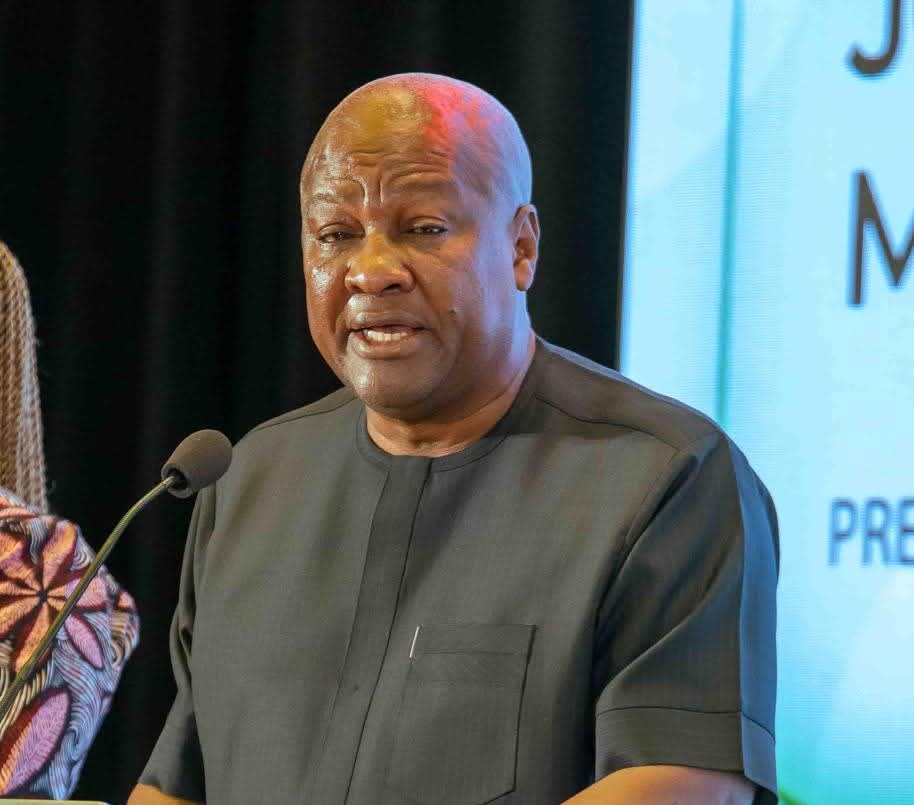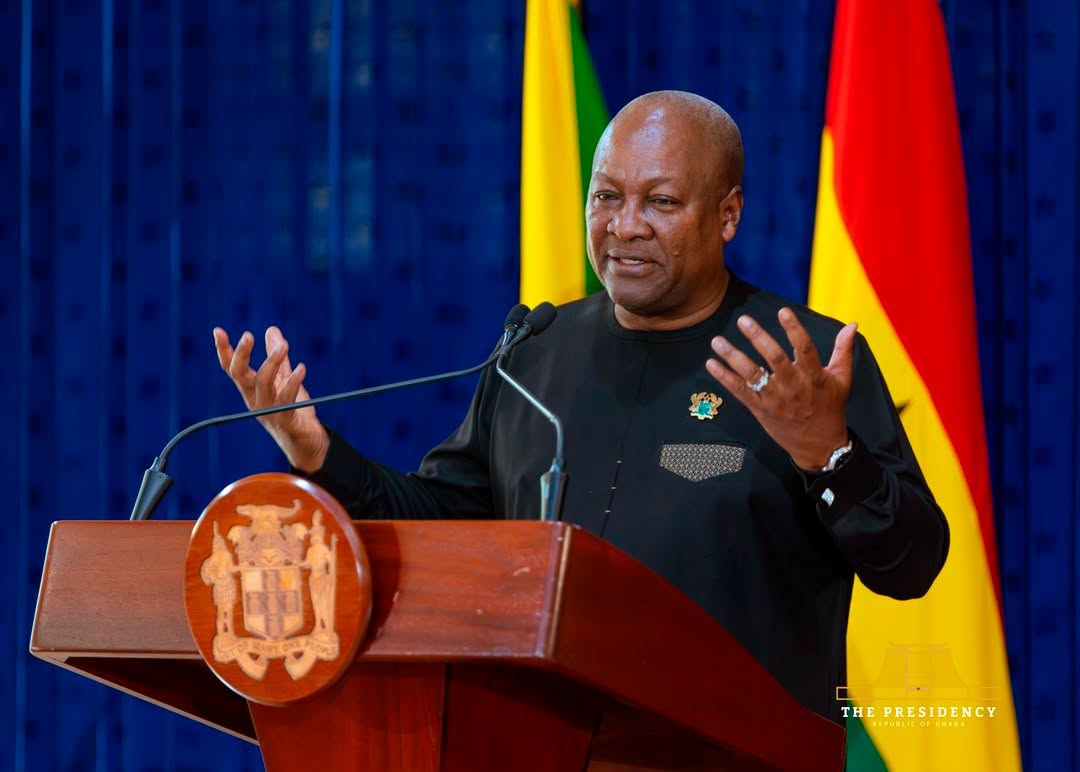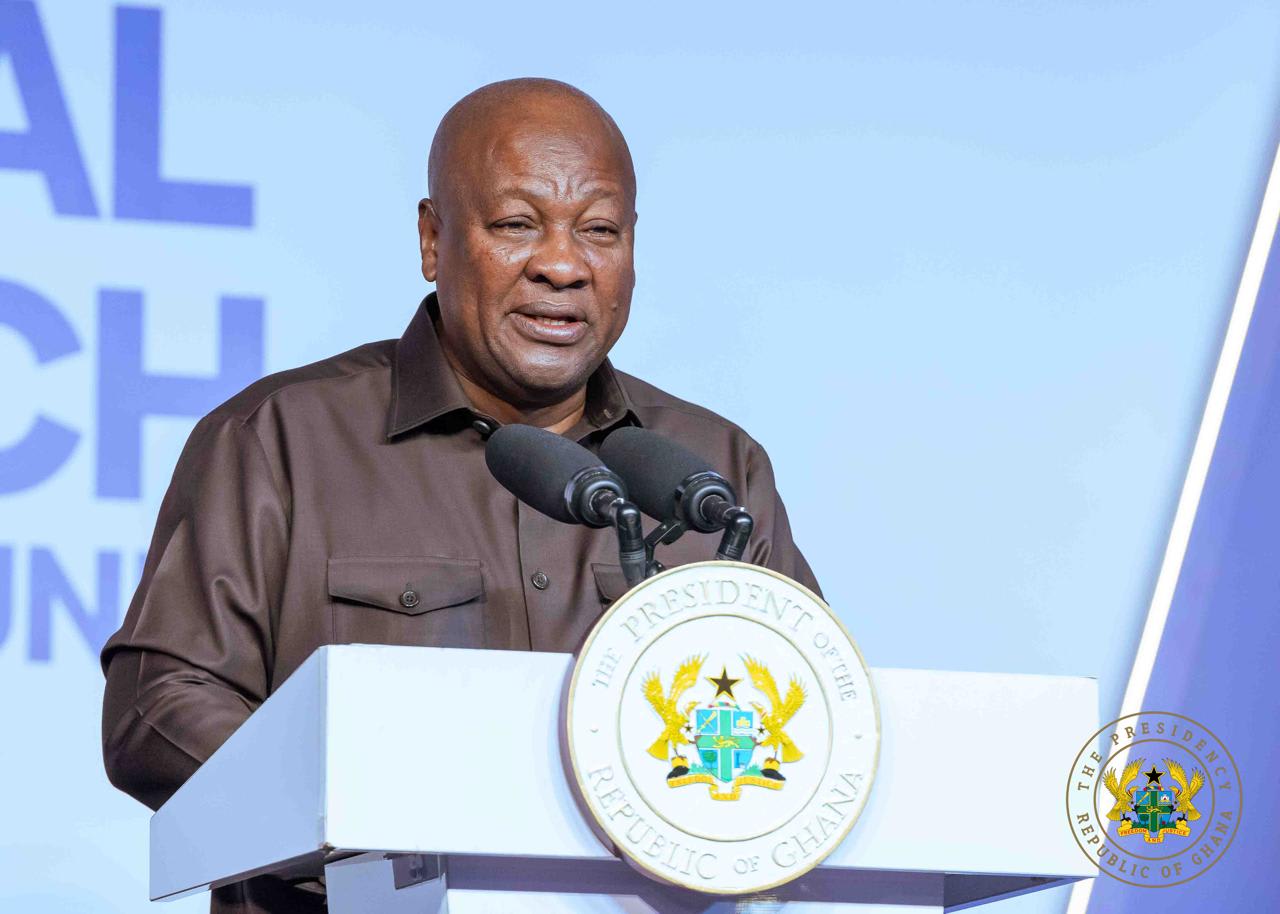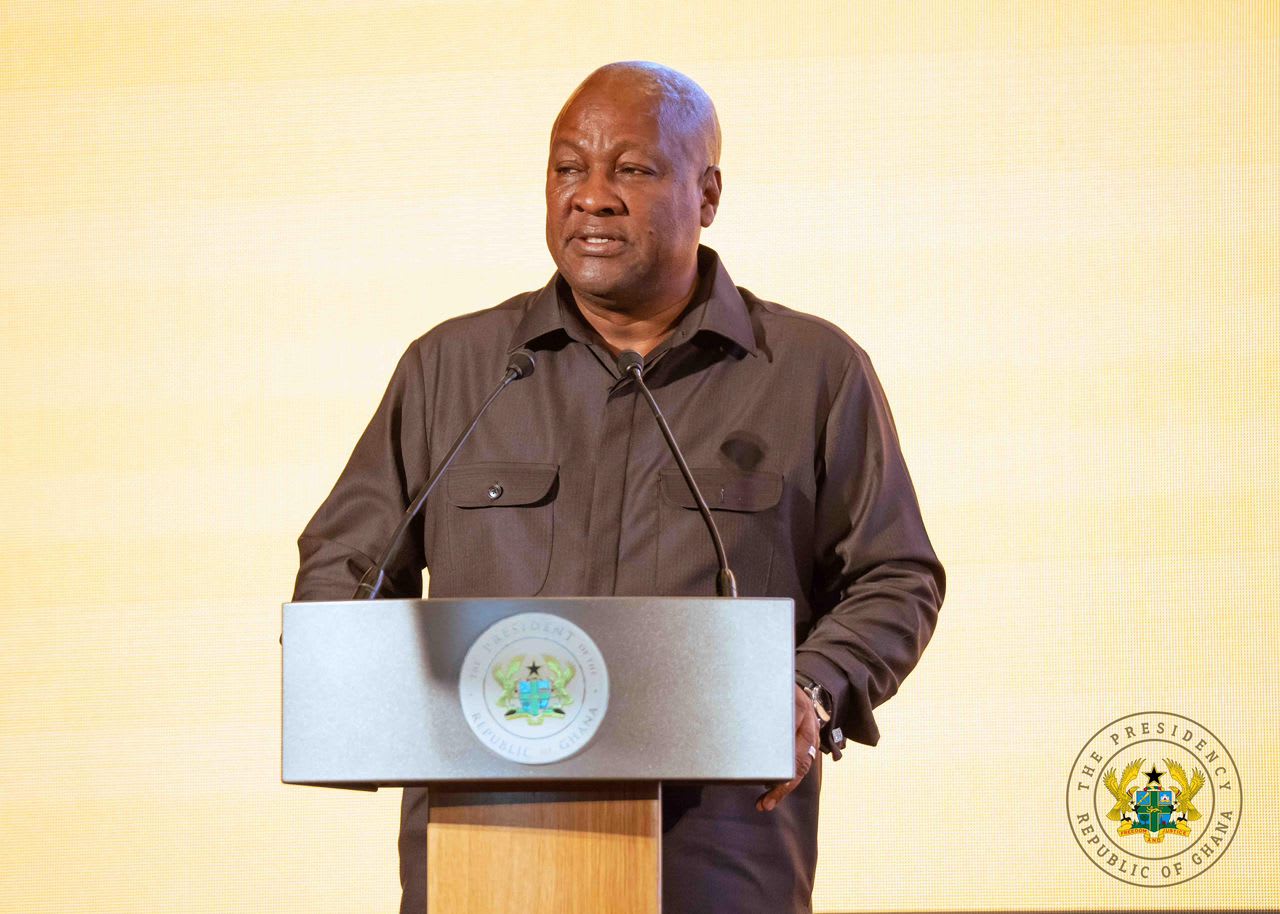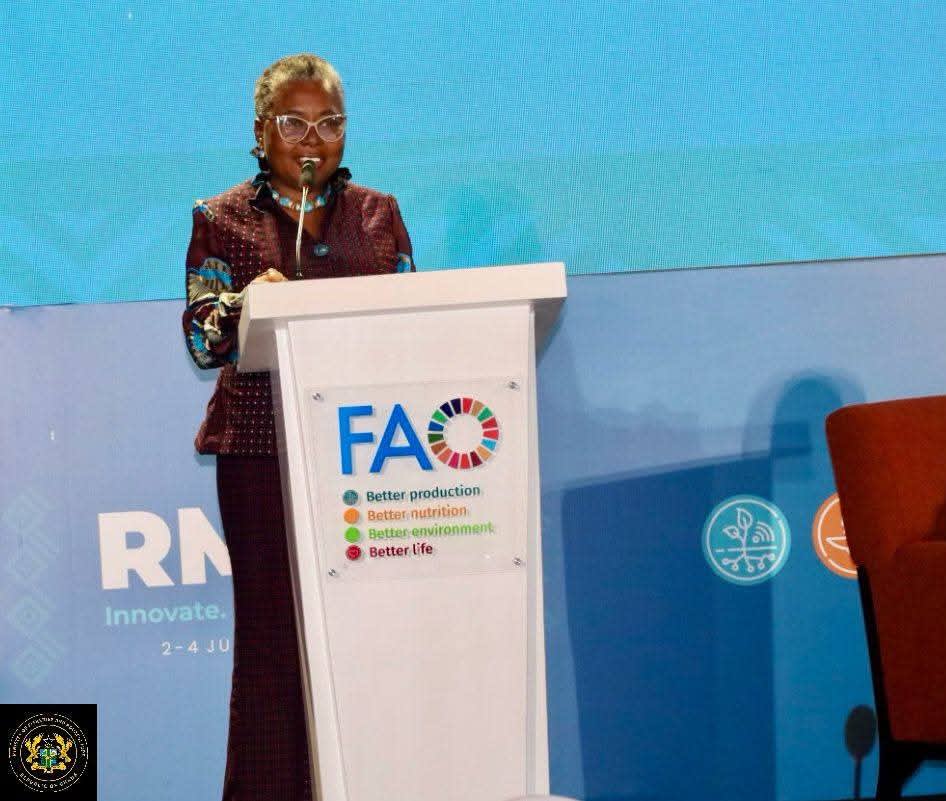
Ghana has hosted the 15th Regional Management Team Meeting (RMT15) of the Food and Agriculture Organization (FAO), bringing together senior FAO officials, government ministers, and subregional coordinators to discuss strategies for accelerating agrifood system transformation across Africa.
The high-level meeting, held at the Mövenpick Ambassador Hotel in Accra on June 2, focused on strengthening coordination, improving efficiency, and enhancing the delivery of agricultural programmes across the continent.
Opening the meeting, Emelia Arthur stressed the need for Africa to move beyond untapped potential and embrace bold reforms capable of delivering measurable results.
“Africa requires transformation, not incremental change or fragmented pilot projects,” she stated, highlighting the urgency of addressing persistent challenges such as hunger, poverty, and climate-related shocks despite the continent’s vast natural resources and youthful population.
Ghana Highlights Successes and Emerging Opportunities
The Fisheries and Aquaculture Minister pointed to the fish processing centre in Axim, developed in partnership with the Food and Agriculture Organization, as an example of how targeted interventions can improve livelihoods, particularly for women involved in fish processing.
She also identified the Blue Economy as a significant growth opportunity for Africa, calling for stronger regional collaboration, increased investment, and decisive measures to combat Illegal, Unreported and Unregulated (IUU) fishing.
Meanwhile, John Dumelo outlined key structural challenges facing agriculture in the region, including constraints on smallholder farmers, rising food demand, value chain inefficiencies, and nutrition gaps.
He highlighted Ghana’s Feed Ghana Programme and Block Farming and Agricultural Transformation Agenda as initiatives aimed at boosting agricultural productivity, reducing food imports, stabilising prices, and modernising farming practices.
FAO Calls for Greater Coordination and Accountability
FAO Deputy Director-General Maurizio Martina underscored the importance of efficiency, accountability, and collaboration, noting that the organisation’s “One FAO” approach is essential for achieving coherent and impactful results.
Regional Representative Abebe Haile-Gabriel added that the organisation’s success would depend on its ability to support country offices effectively, identify challenges early, and respond swiftly to emerging issues.
The meeting concluded with a collective call for innovation, accelerated implementation of proven solutions, and stronger partnerships to transform Africa’s food systems.
Ghana reaffirmed its commitment to working closely with FAO and international partners to advance sustainable agricultural development and food security across the continent.
READ ALSO: West Africa Must Boost Rice Production to Cut Costly Imports – Deputy Finance Minister